


An empty treatment room on a Tuesday afternoon is revenue you can never get back. Massage advertising works best when it starts where clients already search: your Google Business Profile and reviews first, then Google search ads, then social media, then email and text. This guide ranks those channels, gives you 10 tactics plus 5 bonus ideas, and shows how to stay inside ad-platform and state licensing rules.
Why Advertising Matters for Massage and Spa Businesses in the US
A massage hour is perishable. If a room sits empty, you can’t sell that hour tomorrow. That makes steady new-client flow more important than it is for a retail shop.
Massage is also local marketing. Most clients choose a studio near home or work, then compare reviews, therapist credentials, and how easy it is to book. They’re often comparing you with a chain, a spa, and a solo therapist at the same time.
Trust matters more here than in most services. Clients are choosing someone they’ll be alone with, so a licensed, professional, clearly presented business wins. Strict ad-platform rules and state licensing requirements add another layer. If your spa also offers hair or nails, our salon marketing strategies guide covers the wider picture.
Which Massage Advertising Channels to Prioritize (ROI Order)
| # | Channel | Why it ranks here |
|---|---|---|
| 1 | Google Business Profile, reviews, local SEO | Shown when people search “massage near me.” Costs mostly time, and reviews build trust. |
| 2 | Google search ads | Reaches people ready to book. Fast to start, but ad policy is strict, so wording matters. |
| 3 | Social media and Meta ads | Lower intent, but good for intro offers, gift cards, and brand trust. |
| 4 | Email and text | Cheap and strong for rebooking and memberships, but it can’t reach people who don’t know you yet. |
Treat this as a starting order, not a guarantee. Your own booking data should overrule it after a few months.
10 Massage Advertising Tactics to Book More Clients
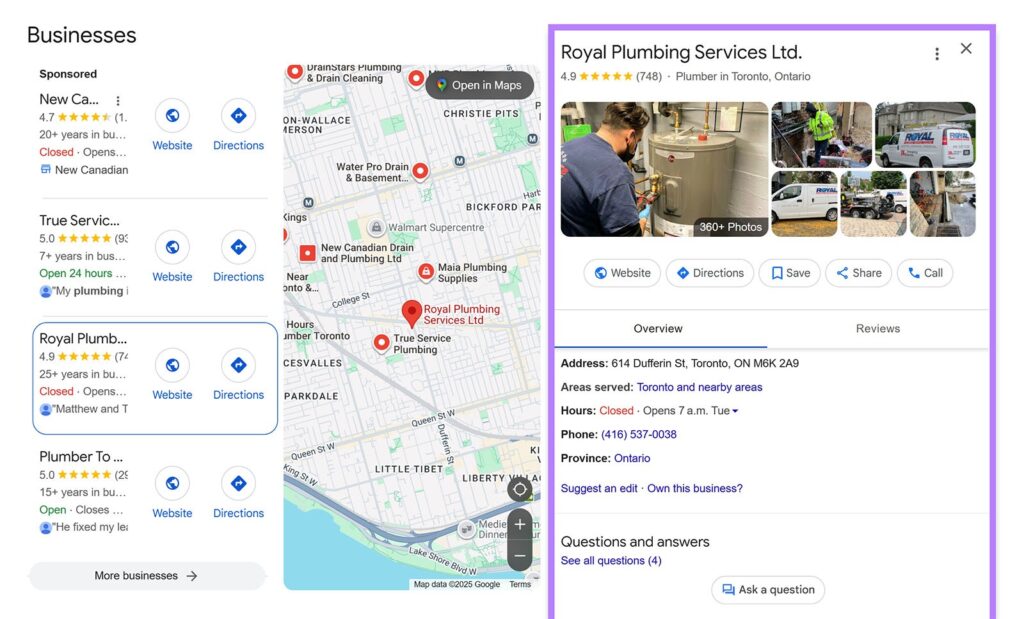
1. Build out your Google Business Profile
How: Pick the category that matches how you operate, such as massage therapist or day spa. List each service with duration, add real photos of your rooms and team, and post therapist bios with credentials. Add your booking link. Use your real business name only, because stuffing keywords into it risks a suspension.
Example: A studio lists “Deep Tissue Massage, 60 min” and “Prenatal Massage, 60 min” as separate services, each with a short plain description and a photo of the room.
2. Ask every client for a review, the compliant way
How: Text your direct Google review link after each visit, to everyone. Don’t offer discounts or gifts, and don’t screen for happy clients first. Our guide to getting more Google reviews the compliant way walks through the process.
Example text: “Thanks for visiting [Studio] today. If you have a minute, an honest Google review helps others find us: [link].”
3. Reply to reviews professionally and privately
How: Thank reviewers in general terms and keep your tone calm. Don’t discuss a client’s visit, health concerns, or identity. If you bill insurance, HIPAA may apply to what you say. Move complaints to a phone call or email.
Example reply: “Thank you for the feedback. We’d like to understand what happened. Please email [address] so we can follow up.”
4. Build local landing pages for each service
How: Create a page for each service, such as deep tissue, prenatal, or sports massage. Add your city, address, hours, therapist credentials, FAQs, and a booking button. This is the core of local SEO for service businesses.
Example: A page titled “Prenatal Massage in [City]” explains what to expect, who the therapist is, and how to book, with no unsupported health promises.
5. Run Google search ads with strict negative keywords
How: Bid on searches like “deep tissue massage [city]” and “massage near me.” Add negative keywords for sexual or adult terms, plus “jobs,” “school,” and “free.” Write copy about the service, your license, and online booking. Send clicks to a landing page that matches the ad.
Example ad line: “Licensed Massage Therapists · 60-Minute Sessions · Book Online.”
6. Use social and Meta ads for offers and trust
How: Show your rooms, your team, and what a first visit looks like. Use clothed, professional imagery with no close-ups of bare skin. Avoid copy that implies you know a viewer’s health problem, such as “Are you suffering from back pain?” Spas that also offer facials or nails can borrow from our tips on advertising beauty salon services.
Example: A 15-second video touring the lobby and treatment room, with the caption “First visit? Here’s what to expect,” and a booking button.
7. Make a clear intro offer, then a membership
How: State exactly what’s included and any limits. Then offer a monthly membership or prepaid package to turn first visits into regulars. Check your state’s rules on gift cards and automatic renewals, and make cancelling easy.
Example: “First 60-minute session at [price], new clients only, one per person,” followed at checkout by a monthly plan with one session per month.
8. Run seasonal campaigns and gift card pushes
How: Plan around gifting moments such as Valentine’s Day, Mother’s Day, and the winter holidays. Start three to four weeks early, and add a corporate wellness offer for local employers.
Example: An email and Instagram post three weeks before Mother’s Day: “Give an hour of relaxation. Gift cards available online.”
9. Put a booking link everywhere and rebook at checkout
How: Add your booking link to your Google profile, ads, bios, and email signature, and tag each one so you can see which source books. Then ask every client to book the next visit before they leave. Rebooking at checkout is standard in hair salon marketing, and it works just as well for massage.
Example: The therapist says, “Most clients come every four weeks. Want me to book your next visit now?”
10. Share educational content, and treat before/after carefully
How: Post short videos on what to expect, how to prepare, and simple stretches. Skip before-and-after body photos, which can trigger ad rejections and imply medical results. Before/after shots of your renovated room are safer. Get written consent for any client story or photo.
Example: A post titled “Your first massage: 5 questions we hear most,” answered by a licensed therapist.
Five bonus ideas
- Client referral program: thank clients with a handwritten note or a service credit that doesn’t depend on a review.
- Cross-referrals: partner with a chiropractor or gym and swap introductions.
- Reactivation text or email: message clients who haven’t visited in a while, with their consent: “It’s been a while. Book your next session: [link].”
- Professional directories: list your studio in a massage association’s “find a therapist” directory, and skip classified sites known for adult services.
- Corporate chair massage: offer a short on-site event for a local employer.
How to Budget Your Massage Advertising Spend
Skip “percent of revenue” rules of thumb. Start with what a new client is worth, then work backward.
Hypothetical illustration: if a new client books six visits at $100, that’s $600. If you’ll spend up to 20%, your ceiling is $120. Use your own numbers.
For the first three months, a reasonable starting split is about 40% to Google profile, reviews, and local SEO, 30% to Google search ads, 15% to social and Meta ads, and 15% to email, text, and booking tools. This is a framework to adjust, not an industry benchmark. Give each paid channel four to six weeks before judging it.
Your 90-Day Massage Advertising Action Plan
| Days | What to do |
|---|---|
| 1–30: Foundation | Audit your Google profile, website copy, and photos for risky wording. Check that ads and pages show your license information where your state requires it. Add a tagged booking link. Start the review-request process. Build one or two service pages. Add rebooking at checkout. |
| 31–60: Launch | Turn on Google search ads for two or three service keywords with negative keywords in place. Publish your intro offer. Reply to every review. Prepare your next seasonal or gift card campaign. |
| 61–90: Optimize | Test one Meta ad. Launch a membership or package. Contact one chiropractor, gym, or employer about a partnership. Review your KPIs, cut the weakest channel, and move that budget to the strongest one. |
KPIs to Track for Massage Advertising
| KPI | What it tells you |
|---|---|
| New clients per month, by source | Which channel actually books appointments. |
| Cost per new client | Whether you’re under your ceiling. |
| Rebooking rate | How many clients schedule their next visit before leaving. |
| Room utilization | Booked hours divided by available hours. |
| Membership and package sales, and cancellations | How well you convert first visits into regulars. |
| No-show and late-cancel rate | Lost revenue and whether reminders work. |
| Google profile calls, directions, booking clicks | How well local search is working. |
| Review count, monthly new reviews, average rating | Whether your review process is steady. |
Massage Advertising Mistakes to Avoid
- Using suggestive wording or imagery. It’s the fastest route to rejected ads and a damaged reputation. See the wording table below.
- Running ads with no tracking. Set up call tracking and tagged booking links first.
- Advertising on adult-service directories. Some states bar massage ads on sites known for sexual services.
- Letting clients walk out unbooked. Rebooking is cheaper than winning a new client.
- Paying for reviews or screening them. Google bans incentivized reviews, and the FTC’s 2024 consumer review rule bans fake reviews and incentives conditioned on sentiment.
| Avoid | Say instead |
|---|---|
| “Sensual full-body massage” | “60-minute Swedish massage by a licensed therapist” |
| “Discreet, private, open late” | “Quiet treatment rooms. Appointments until 8 p.m.” |
| “Cures back pain and anxiety” | “Massage for relaxation and muscle tension” |
| Close-up photos of bare skin | Photos of your room, your team, or a draped, clothed demonstration |
Compliance checklist (general information, not legal advice)
- Google Ads. Google prohibits promoting “intimate massage and similar services.” Expect your ad copy, images, and landing page to be judged together.
- Meta. Small wellness businesses have reported ads wrongly flagged as adult content. Keep imagery professional, and appeal rejections with a clear description of your licensed services.
- Licensing information. Many states regulate massage ads. New Jersey requires a license number in ads, and Maryland’s new law requires the provider’s full licensed name and license number when an individual is named, and bars ads that imply sexual services. Maryland’s rules took effect October 1, 2026, and also reach third parties who advertise for you.
- Health claims. Avoid saying massage cures or treats medical conditions. Keep claims modest, and check your state’s scope-of-practice rules.
- Privacy and consent. Get written consent before using any client photo, name, or story. If you bill insurance, HIPAA may apply.
- Texts and emails. Marketing messages need consent and an opt-out under TCPA (texts) and CAN-SPAM (email).
Other licensed, appointment-based professions face similar rules. Our dental advertising guide shows how a regulated practice handles ad claims and client privacy.
FAQ: Massage Advertising
What is the best way to advertise a massage business?
Start with your Google Business Profile and reviews, then add Google search ads. Those reach people already looking for a massage nearby.
How much should I spend on massage advertising?
There’s no single right number. Work out the most you can pay for a new client based on their first-year value, then budget around that ceiling.
Can I run Facebook or Instagram ads for a massage business?
Yes, with professional imagery and neutral copy. Avoid suggestive wording and any claim that implies you know a viewer’s health condition.
Why was my massage ad rejected?
Usually the wording, an image, or the landing page looked like it promoted sexual services. Remove risky terms, show your licensed credentials, and appeal.
Do I need to put my license number in massage ads?
It depends on your state. Some, like New Jersey and Maryland, require license information, so check your state board’s advertising rules.
Can I make health claims in my massage advertising?
Keep them modest. Avoid claiming to cure or treat medical conditions, and describe benefits like relaxation instead.
How can I get massage clients without paying for ads?
Optimize your Google profile, ask every client for a review, rebook at checkout, and build referral partnerships with local chiropractors and gyms.
Start With the Basics, Then Scale
You don’t need all 10 tactics this month. Fix your Google profile, ask every client for a review, and make booking and rebooking easy. Add paid ads once you can see where each client came from. If you want a team to handle it, explore our full-service marketing for local businesses.
Sources and further reading: Google Ads compensated sexual acts policy · Google Maps user-contributed content policy · FTC Final Rule, 16 CFR Part 465 · ABMP: Maryland updates massage advertising laws · N.J.A.C. 13:37A-5.1. Policies and regulations change, so confirm current requirements with your state board and the ad platforms.