



How to get more google reviews isn’t just about asking more customers it’s about asking at the right time and in the right place. A well-timed review request can significantly increase response rates, while poor timing often leads to missed opportunities. In this guide, Good Review Service shares 12 high-converting places to ask customers for Google reviews, along with practical tips to make the process natural, convenient, and effective without putting pressure on your customers.
Why Where You Ask Matters More Than How You Ask
The success of a review request depends less on the wording and more on where the customer is in their journey. Customers are most likely to leave a review when they’ve just experienced the value of your business and their satisfaction is at its highest.
If you ask too early, customers may not have enough experience to provide meaningful feedback. If you ask too late, the positive experience fades, and the motivation to leave a review decreases.
Every stage of the customer journey presents a different level of willingness to respond. The most effective review requests happen immediately after a positive milestone when the customer has achieved their goal, solved their problem, or expressed satisfaction with your product or service.
Instead of focusing on finding the perfect script, identify the moments in your customer journey where satisfaction naturally peaks. Asking for a review at those moments consistently produces higher response rates because it aligns with the customer’s experience rather than interrupting it
The Best Places to Ask Customers for Google Reviews
Immediately After Service Is Completed
The moment a service is completed is often the highest-converting time to ask for a Google review. At this point, the customer has just experienced your service firsthand, making the experience fresh and the likelihood of receiving detailed feedback much higher.
For salons, ask after the customer has seen the final result and expressed satisfaction. Comments like “I love it” or “This is exactly what I wanted” are strong signals that they’re ready to leave a positive review.
For dentists, request a review after the treatment is finished and the patient feels comfortable. This works especially well for routine cleanings, cosmetic procedures, or successful treatments where the patient leaves with immediate relief or visible results.
For restaurants, ask after guests have finished their meal and complimented the food or service. A satisfied dining experience is still fresh, making customers more willing to share specific details about the food, atmosphere, or staff.
For contractors, wait until the project has been completed, the customer has inspected the work, and they’ve confirmed they’re happy with the outcome. At this stage, customers can confidently review the quality of workmanship, professionalism, communication, and the overall experience.
The key is to ask immediately after the customer expresses satisfaction, before they leave or move on to something else. Delaying the request often reduces both response rates and the quality of the review.
At Checkout
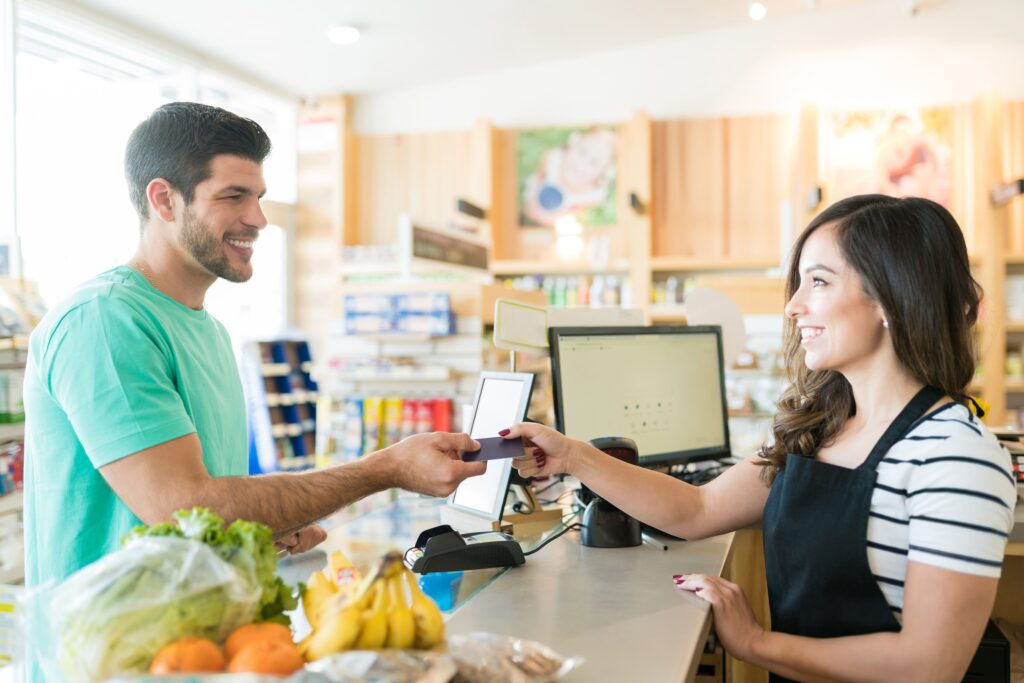
Checkout is one of the most effective touchpoints because the transaction has been completed and the customer has already decided your business delivered enough value to earn their payment. Rather than focusing on how to ask, optimize the checkout experience itself to naturally create review opportunities.
Cashier interactions are valuable because they represent the final face-to-face moment with the customer. If the customer expresses satisfaction during payment, staff can acknowledge the feedback and encourage them to share the same experience on Google while it’s still fresh.
Payment confirmation is another high-conversion moment. Once the payment is approved, customers have completed their commitment and are psychologically more receptive to a simple request for feedback. This timing feels like a natural conclusion to the transaction instead of an interruption.
POS receipts provide a lasting reminder after the customer leaves. Whether printed or digital, the receipt becomes a follow-up touchpoint that reinforces the review request when the purchase is still recent. Because customers often keep or revisit receipts, they can return to leave a review even if they don’t do it immediately after checkout.
Inside Thank You Emails

A thank-you email is one of the highest-converting places to request a Google review because the customer has already completed their purchase and is expecting follow-up communication. The effectiveness of the email depends on its structure, not just the request itself.
- Use a clear subject line. Keep it focused on appreciation rather than asking for a review. Subject lines like “Thank You for Choosing Us” or “We Appreciate Your Business” achieve higher open rates because they feel personal instead of promotional.
- Place the review CTA near the top. Don’t bury the request at the end of a long email. After a brief thank-you message, introduce a single review CTA while the customer’s attention is highest.
- Include only one primary link. Too many buttons or links create decision fatigue. If collecting a Google review is the goal, the review link should be the primary and ideally the only call to action.
- Send the email while the experience is still fresh. For most businesses, the best timing is within 24 hours of the completed service or purchase. Waiting several days reduces recall and lowers the likelihood that customers will take action.
A well-designed thank-you email removes distractions and gives satisfied customers a simple, immediate opportunity to share their experience.
After SMS Follow-up

SMS is effective because it reaches customers in a space they check almost immediately. Unlike email, text messages typically have high open rates, making them ideal for review requests when used at the right moment.
- Send the message shortly after a positive experience. A follow-up SMS works best when the service is still fresh in the customer’s mind, helping them recall details more easily.
- Keep the message focused on one action. Customers are more likely to respond when the text has a single purpose leaving a Google review. Avoid including promotions, surveys, or multiple requests in the same message.
- Make it feel personal, not automated. Using the customer’s name and referencing the service they received creates a sense of genuine appreciation rather than mass marketing.
- Create immediate convenience. Customers often read SMS while holding their phone. A direct review link allows them to complete the review in under a minute, reducing the chance they’ll postpone it and forget.
On Printed Receipts
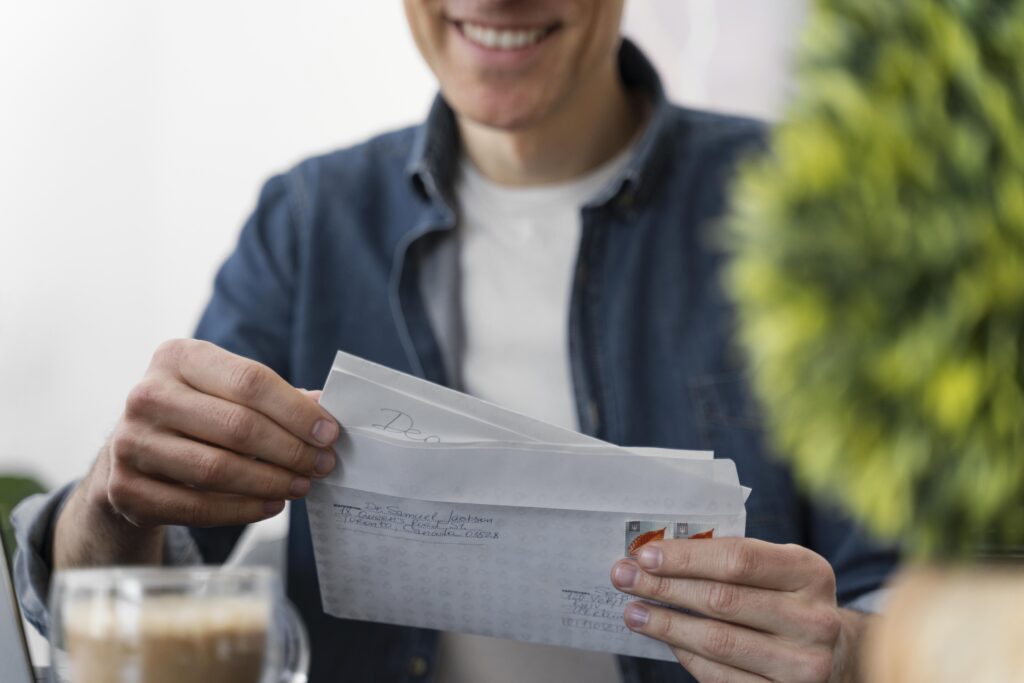
Printed receipts remain an effective review touchpoint because customers often keep them until they confirm their purchase or expense. A well-designed receipt can turn that routine interaction into a review opportunity.
- Include a QR code. A QR code lets customers open your Google review page instantly without searching for your business. This removes friction and significantly increases the chance they’ll complete a review.
- Add a short, memorable URL. Not every customer wants to scan a QR code. A branded short URL provides an easy alternative for those who prefer typing the address manually.
- Place the review request where it’s easy to notice. Position the QR code and review message near the bottom of the receipt, immediately after the payment summary or thank-you message. This is where customers naturally look before putting the receipt away.
- Keep the message simple. A short call to action such as “Enjoyed your experience? Leave us a Google Review.” is more effective than a long paragraph.
Google also recommends making it easy for customers to leave reviews by including a direct review link or QR code in customer touchpoints such as receipts and thank-you emails, reducing the effort required to share their feedback.
After Customer Support Resolves an Issue

A successfully resolved support case can become one of the best opportunities to earn a Google review. Customers often judge a business not by whether problems occur, but by how those problems are handled.
- Wait until the customer confirms the issue is resolved. Never ask for a review while the problem is still being investigated or partially resolved.
- Ask after a positive resolution. If the customer thanks your support team or confirms they’re satisfied, it’s a strong signal that they’re willing to share their experience.
- Encourage feedback about the entire experience. Customers who experience excellent support often mention responsiveness, professionalism, and problem-solving details that are highly persuasive to future customers.
- Use resolved complaints to build trust. Reviews describing how your business fixed an issue can be even more convincing than reviews from customers who never encountered a problem, because they demonstrate accountability and reliable customer service.
After Repeat Purchases

Repeat customers are among the best candidates for Google reviews because they’ve experienced your business multiple times. Their feedback is often more detailed, credible, and persuasive than reviews from first-time buyers.
- Ask after a repeat purchase or visit. By this stage, customers have enough experience to evaluate your consistency, not just a single transaction.
- Focus on loyal customers. Returning customers are more likely to recommend your business because they’ve chosen to come back, making their reviews stronger social proof.
- Encourage them to share why they keep returning. Reviews that mention long-term satisfaction, consistent quality, or reliable service help potential customers understand what sets your business apart.
- Don’t wait for a loyalty milestone. Whether it’s a second visit or a tenth, ask once the customer has clearly demonstrated repeat purchasing behavior and continues to have positive experiences.
After Positive Customer Feedback
Positive verbal feedback is one of the strongest signals that a customer is ready to leave a Google review. If they’re willing to praise your business in person, they’re often willing to share the same experience publicly.
- Listen for buying signals. Comments like “I love it,” “This is exactly what I wanted,” or “You did an amazing job” indicate high customer satisfaction.
- Ask while the emotion is still fresh. Request the review immediately after the customer expresses their appreciation, before the conversation moves on.
- Connect the compliment to the review request. For example:
- Customer: “I love it!”
- Staff: “Thank you! We’d really appreciate it if you shared that experience in a Google review.”
- Keep the request conversational. The transition should feel like a natural continuation of the customer’s compliment, not a scripted sales pitch. This makes the request more authentic and increases the likelihood of receiving a review.
Inside Loyalty Programs

Loyalty programs create multiple customer touchpoints, making them an ideal place to request Google reviews naturally. Instead of asking after a single purchase, use moments that reflect an ongoing relationship with the customer.
- Ask after loyalty milestones. Completing a membership level, reaching a points threshold, or renewing a subscription are natural moments when customers already feel positive about your brand.
- Include review requests in loyalty communications. Member dashboards, loyalty emails, and app notifications can remind satisfied customers to share their experience without disrupting the customer journey.
- Target engaged customers. Loyalty members visit more often and know your business better, allowing them to write more detailed and credible reviews than first-time customers.
- Make reviews part of the loyalty experience. Rather than treating review requests as separate campaigns, integrate them into existing loyalty touchpoints where customers already interact with your brand.
Appointment Reminder Follow-ups
Appointment reminders create a natural follow-up sequence that extends beyond the visit itself. After the appointment is completed, they become an ideal touchpoint for requesting a Google review.
- Use the post-appointment follow-up. Once the appointment has been completed, send a brief follow-up message thanking the customer and inviting them to share their experience.
- Reference the completed visit. Mentioning the specific appointment makes the request feel personal and reminds customers of the service they received.
- Keep the review request separate from the reminder. The appointment reminder should focus on attendance, while the follow-up after the visit should focus on feedback.
- Time the follow-up within 24 hours. Customers are more likely to leave a detailed review while the appointment is still fresh in their minds, resulting in higher response rates and more meaningful feedback.
Community Events
Community events create meaningful, face-to-face interactions that naturally lead to review opportunities. Customers who engage with your business beyond a standard transaction are often more willing to share their experience.
- Local events. Whether you’re sponsoring or participating in a local event, ask attendees for a review after they’ve interacted with your team or experienced your products or services.
- Workshops and demonstrations. Educational events provide immediate value, making attendees more likely to leave detailed reviews about what they learned and how your business helped them.
- Charity and community initiatives. Supporting local causes helps build trust and strengthens customer relationships. If attendees have a positive experience with your business, invite them to share that experience on Google after the event.
The best time to ask is while the event is still fresh, when attendees clearly remember the value your business provided.
Social Media DMs After Customer Interaction

When a customer reaches out through social media and leaves the conversation satisfied, a direct message becomes a natural place to request a Google review. The customer has already experienced your responsiveness and support, making the request feel relevant rather than promotional.
- Ask only after the issue has been fully resolved. Don’t request a review while the conversation is still active or waiting for a response.
- Use the existing conversation. Since the customer is already in a DM, there’s no need to move them to another communication channel before asking.
- Reference the support you provided. A simple message like “We’re glad we could help today. If you have a minute, we’d appreciate you sharing your experience in a Google review.” feels personal and authentic.
- Keep the DM focused on appreciation. Avoid upselling or adding multiple requests. A single review request after successful support is more likely to receive a positive response.
Conclusion
Learning How to Get More Google Reviews is less about finding the perfect script and more about asking customers at the moments when they’re most satisfied. By integrating review requests into key touchpoints throughout the customer journey, you can generate a steady stream of authentic reviews without making the experience feel forced.
If you need help building a scalable review generation strategy, Good Review Service helps businesses identify high-converting review opportunities, optimize their Google review process, and grow their online reputation with proven review management solutions. Contact Good Review Service to turn more satisfied customers into trusted Google reviews.