



Before a stranger calls your business, they’ve probably read reviews. BrightLocal’s 2026 Local Consumer Review Survey found that 97% of consumers read reviews for local businesses, and 41% always do. So how to get customers for your business comes down to two things: being easy to find, and being believable once they find you.
Start with what’s free and fast. Complete your Google Business Profile, ask every happy customer for a review, and make booking easy. Then layer on referrals, email and text follow-ups, and local partnerships. Good Review Service, a local marketing agency, will walk you through 15 strategies below, with steps, an example, and an effort level for each.
Quick Wins: Start This Week
These five take an afternoon or less each. Do them first.
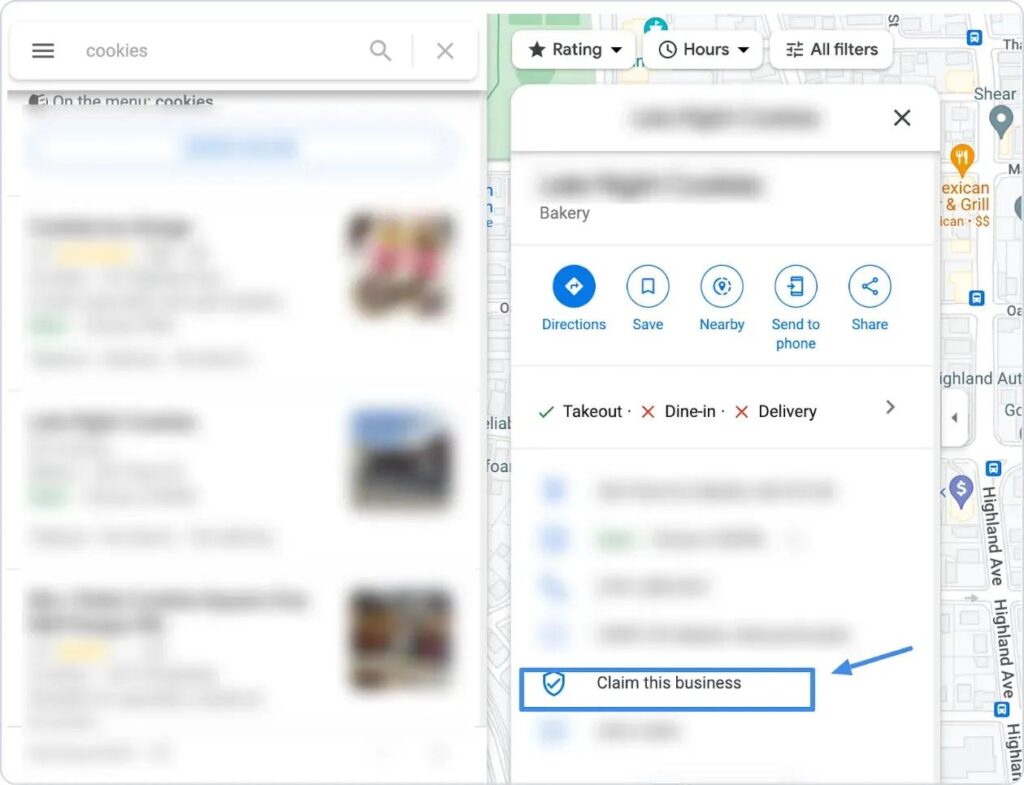
1. Claim and complete your Google Business Profile
Effort: Low Cost: Free
Your Google profile is often the first thing a local customer sees, and many of your competitors haven’t finished theirs. BrightLocal’s 2026 research found that only 35% of small businesses have a Google Business Profile at all, so a complete one gives you an easy edge.
- Claim the listing and choose categories that match what you actually sell.
- Add your hours (including holidays), services, a booking link, and real photos.
- Use your real business name, since keyword-stuffing it can get you suspended.
Picture a café that adds photos of its best-selling drinks and links straight to online ordering. For more no-cost ideas, read how to advertise your business for free.
2. Ask every customer for a review
Effort: Low Cost: Free
Reviews do much of your selling before you speak to a customer, and they go stale: BrightLocal’s 2026 survey, as summarized by ClickMinded, says 74% of consumers only care about reviews from the last three months. Aim for a steady trickle, not one burst.
- Send your direct review link by text or email after every visit, not only after the happy ones.
- Reply to every review, good or bad, calmly and specifically.
Two rules: don’t offer discounts or gifts for reviews, and don’t screen customers so only happy ones get asked. Google prohibits incentivized reviews, and the FTC’s 2024 consumer review rule bans fake reviews and incentives that depend on whether a review is positive or negative.
3. Make buying or booking effortless
Effort: Low Cost: Free to low
A missed call or a hidden phone number quietly loses customers every week.
- Put a click-to-call button, a booking link, and your current hours on your website and Google profile.
- Reply to calls and messages quickly, even if the reply is “We’ll call you back at 2.”
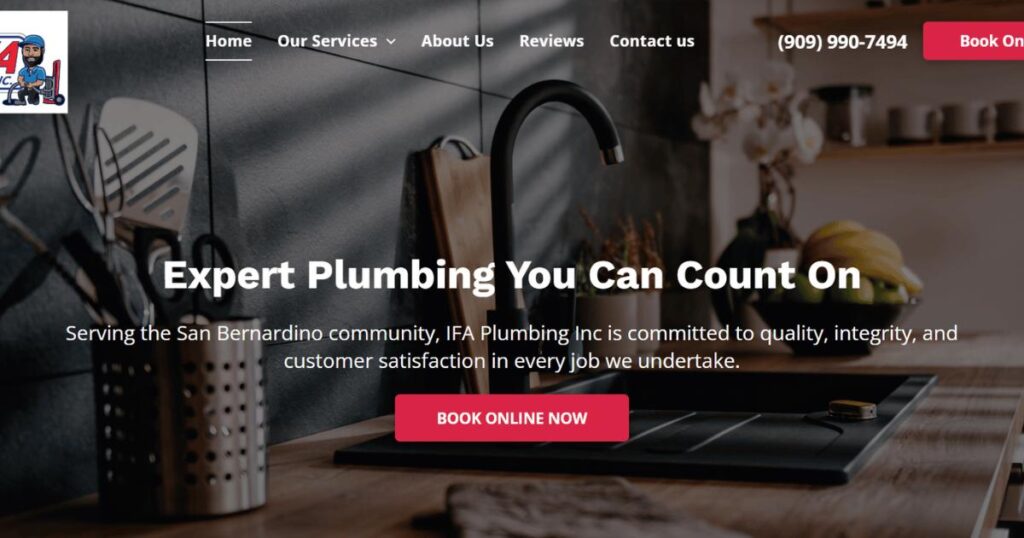
A plumber might add “Text us a photo of the problem” to the homepage and promise a reply within the hour.
4. Ask for referrals when customers are happiest
Effort: Low Cost: Free to low
The best time to ask for a referral is right after a great result. It’s the simplest form of word of mouth marketing, and it costs almost nothing.
- Hand them two cards to pass to friends, each with a welcome offer.
- Thank anyone who refers a new customer, with a note or a small credit.
Say a pet groomer hands a delighted client two cards: a welcome offer for a friend, and a thank-you credit for the client after the friend’s first visit. Keep referral rewards separate from review requests, and if you’re in a regulated profession, check your state’s rules first.
5. Collect email and text consent at checkout
Effort: Low Cost: Free to low
Strategies 6 through 8 depend on reaching customers again, so build your list properly from day one.
- Offer a sign-up at the counter or with a QR code.
- Use plain wording about what people are agreeing to, with separate boxes for email and text, and never pre-check them.
- Record the date, the number or address, and the exact wording the person saw.
- Honor a “STOP” or unsubscribe right away.
A consent line like this is a good starting point:
“Text me offers and reminders from [Business]. Msg & data rates may apply. Reply STOP to opt out.”
The FTC’s CAN-SPAM guide says commercial email must include your valid physical postal address and a clear way to opt out, and opt-outs must be honored within 10 business days (checked October 2026). For marketing texts, the FCC requires prior express written consent in many cases, and customers can revoke it in any reasonable way. Have an attorney review your wording.
Build-Ups: Bring Customers Back
Next, get them to come back. These six take more setup, but they’re where repeat visits come from.
6. Follow up after the first visit
Effort: Medium Cost: Low
A thank-you message a day or two after the first visit is the cheapest of the customer retention strategies. It matters because Harvard Business Review reported in 2014 that acquiring a customer can cost anywhere from five to 25 times more than keeping one, depending on the study and the industry.
- Send it only to customers who opted in.
- Make rebooking one tap away.
- Keep marketing messages separate from appointment confirmations.
“Thanks for choosing [Business]. Ready for your next visit? Book here: [link]. Reply STOP to opt out.”
7. Start a simple loyalty program
Effort: Medium Cost: Low
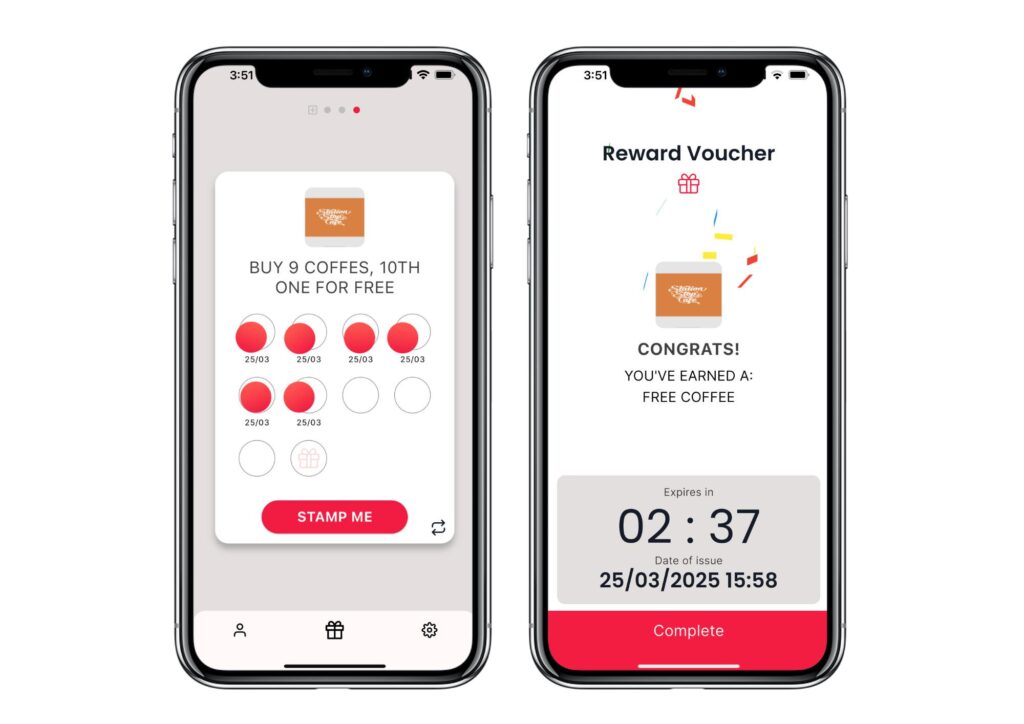
A good loyalty program is one customers understand in a sentence.
- Pick one mechanism: a punch card, points, or a monthly membership.
- State expiry dates and limits in plain words.
- Check your state’s rules on gift cards, expiration, and automatic renewals, and make cancelling easy for paid memberships.
Think of a coffee shop that gives the tenth drink free. Its digital version can ask for an email address, as long as the customer clearly agrees to it.
8. Run a win-back campaign
Effort: Medium Cost: Low
Some customers just drift away. A short, friendly nudge brings back a few, for far less than finding someone new.
- Pick customers who haven’t returned in three to six months, and send no more than two short messages.
- Lead with a reason to return, like a new service or an open slot, rather than a discount.
- Message only people who opted in, include an opt-out every time, and stop as soon as someone asks.
“Hi [first name], it’s been a while. We have openings this week. Book here: [link]. Reply STOP to opt out.”
9. Cross-promote with neighboring businesses
Effort: Medium Cost: Free to low
The easiest new customers often come from businesses that serve the same people you do. A wedding florist and a photographer, for instance, can trade cards with every engaged couple.
- Choose a partner who serves your customer but doesn’t compete, then swap referral cards or build a joint offer.
- If either side is paid or rewarded for a recommendation, say so openly.
10. Build a page for each service and city
Effort: Medium Cost: Free to low
People search for a service plus a place, so give each main service its own page. An HVAC company might publish “AC Repair in [City]” with the brands it services, its hours, and a request form.
- Include your service area, a price or range, real photos, a few FAQs, and a booking button near the top.
- Write only what’s true and specific to your business.
11. Post short local videos and photos
Effort: Medium Cost: Free
Short clips show people what it’s like to do business with you. A bakery could post a 15-second video of the morning bake with the day’s specials in the caption.
- Show your team, your work, and what a first visit looks like.
- Tag your location, post once or twice a week, and ask permission before featuring a customer.
Bigger Bets: More Time or Money
Add these once the basics work. They’re easy to waste money on without tracking.
12. Run local Google Search ads
Effort: High Cost: Paid
Search ads put you in front of people at the moment they’re looking. WordStream’s 2026 benchmarks (updated May 19, 2026) put the median cost per click across industries at $5.42, though your market may be higher or lower.
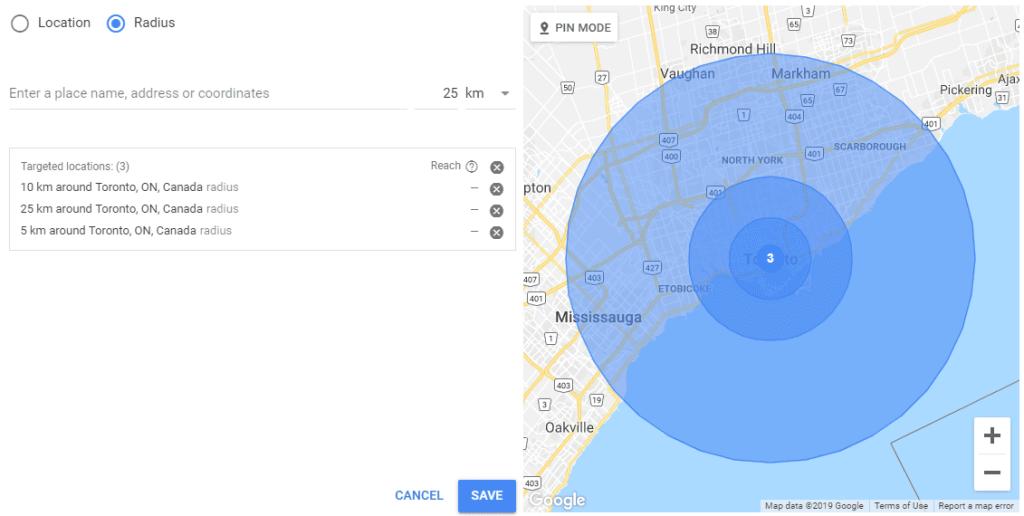
- Target a tight radius around your location.
- Bid on service-plus-location searches, and add negative keywords to block irrelevant ones.
- Track bookings, not just clicks.
A locksmith, for example, might run ads only inside its service area and only while the phone is staffed.
13. Sponsor or join a community event
Effort: High Cost: Low to paid
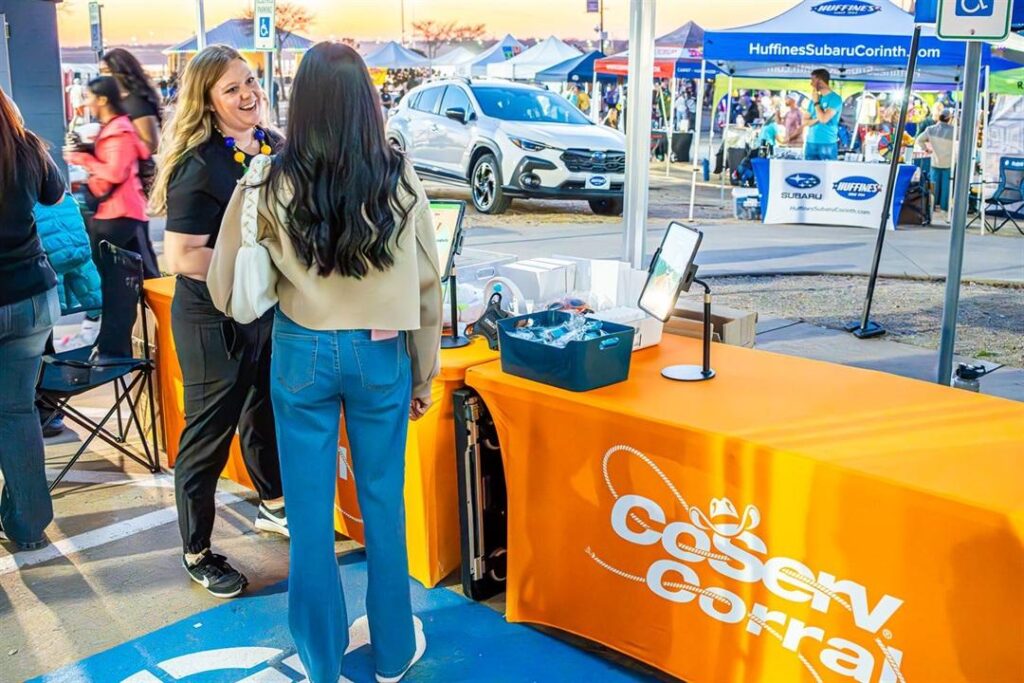
Pick one event your customers already attend, like a school game or farmers market. A gym could sponsor a youth team and bring a sign-up sheet for people who want offers.
- Give people a reason to connect with you on the spot, such as a trial pass or a free sample.
- Collect sign-ups with an unchecked consent box.
14. Offer a perk to local employers
Effort: High Cost: Low
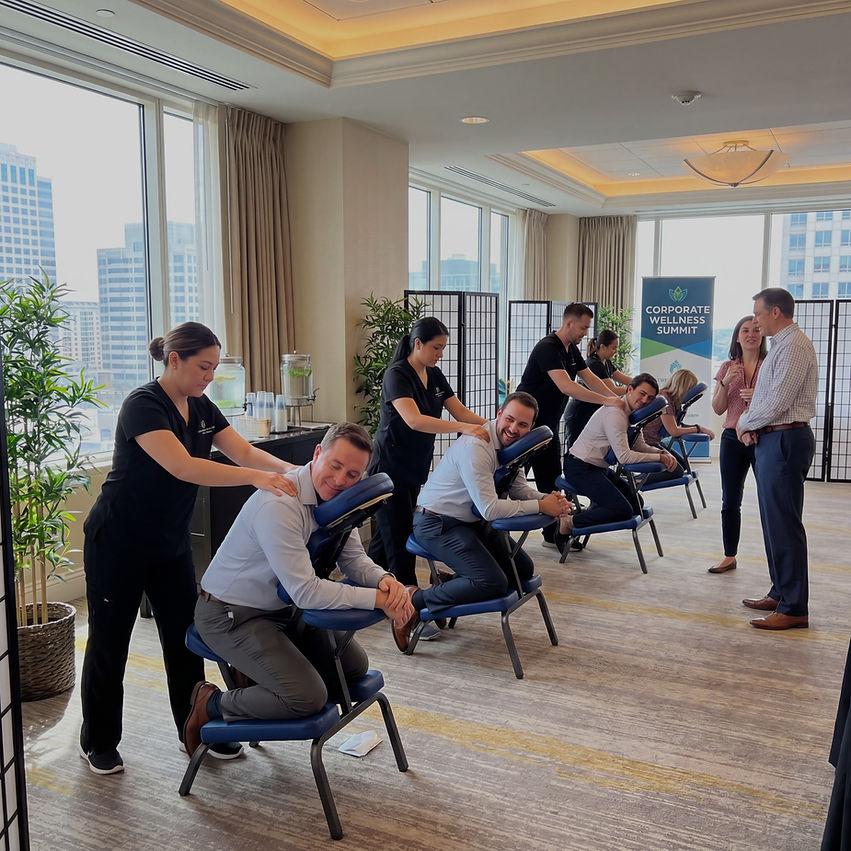
A massage studio could offer a monthly chair-massage visit to an office near its location.
- Offer a team discount, a lunch-and-learn, or an on-site session.
15. Pitch local press and community calendars
Effort: High Cost: Free
Local reporters need stories, and you have some. A family bakery might email a reporter about its 10th anniversary and a free-cupcake day for teachers.
- Find a hook: an anniversary, a new service, or a charity drive.
How to Choose and Prioritize
You don’t need all 15. Score each idea from 1 to 3 on effort, speed, and fit, then start with fast, low-effort ones that suit your business. A simple 30-day order:
| Week | Focus |
|---|---|
| 1 | Strategies 1, 2, and 3: profile, review requests, easy booking. |
| 2 | Strategies 4 and 5: referral asks and consent sign-up. |
| 3 | Strategy 6, plus the loyalty idea from 7 if it fits. |
| 4 | One bigger bet, such as a partnership (9) or local ads (12). |
Fix retention before you spend heavily on acquisition. Harvard Business Review (October 29, 2014) cited Bain & Company research that a 5% rise in retention can lift profits by 25% to 95%. It’s older research, so treat it as a direction, not a promise.
Knowing what a customer is worth tells you how much you can spend to win one:
Say a customer spends $40 a visit, comes eight times a year, and stays two years. That’s $640. If you’d spend up to 20% to win that customer, your ceiling is $128. This is a made-up example, so use your own numbers.
How to Measure Results
Start with one habit: ask every new customer, “How did you hear about us?” and keep a simple tally. Then check these numbers once a month.
| Number to watch | How to get it |
|---|---|
| New customers, by source | Count from your “how did you hear” tally. |
| Reviews | Total count, new reviews this month, and average rating. |
| Repeat visit rate | Returning customers ÷ all customers in the period. |
| List growth and opt-outs | New subscribers, and opt-outs ÷ messages sent. |
| Win-back rate | Lapsed customers who returned ÷ lapsed customers messaged. |
| Cost per new customer | Marketing spend ÷ new customers. |
FAQ: Getting Customers for Your Business
What’s the fastest way to get customers for a new local business?
Complete your Google Business Profile, ask every customer for a review, ask for referrals, and make booking easy. Those are strategies 1 through 5.
Do I need to pay for ads to get customers?
No. Most of the first 11 strategies are free or low cost. Ads add speed once your basics and tracking are ready.
Is it legal to text or email customers for marketing?
Yes, with the right consent and opt-outs. Email must follow CAN-SPAM, including your physical address and a working unsubscribe, and the FTC says penalties can reach $53,088 per email (FTC guide, checked October 2026). Marketing texts generally need prior express written consent under the TCPA. Confirm your process with an attorney.
Can I pay customers for reviews or referrals?
Not for reviews. Google prohibits incentivized reviews, and the FTC bans incentives conditioned on sentiment. Referral thank-yous are common, but keep them separate from reviews and check your state’s rules.
How long until I see results?
Review requests and profile updates can show effects within weeks. Search ads can bring calls soon after launch, but partnerships, content, and local search usually take months.
Want a Team to Run These With You?
Good Review Service helps local businesses set up the strategies above, from Google profile and review systems to ads and follow-up campaigns. Explore our all-in-one digital marketing service, or see how Google Maps SEO can help customers find you.
Sources (checked Oct 2026): BrightLocal, Local Consumer Review Survey 2026 · ClickMinded, online review statistics (2026, summarizing BrightLocal) · Harvard Business Review, “The Value of Keeping the Right Customers” (Oct 29, 2014) · FTC, CAN-SPAM Act compliance guide · ActiveProspect, FCC TCPA overview · ComplianceHub, TCPA 2026 update · WordStream, Google Ads Benchmarks 2026 (May 19, 2026) · Google Maps user-contributed content policy · FTC 16 CFR Part 465. Laws and platform rules change, and this article is general information, not legal advice. The business scenarios in this article are made up for illustration and aren’t client results.