



These 19 ad for dentist ideas show how to create targeted dental ads around real patient needs, from new patient offers and emergency care to implants, Invisalign, and teeth whitening. Each idea gives you a practical angle to attract more patients and promote the right dental service.
What Makes a Good Ad for Dentist?
A good dentist ad speaks directly to a patient’s need and makes the next step clear. Instead of listing every service, focus on one problem, treatment, or benefit that matters to the target audience.
Strong dental ads also build trust with real reviews, dentist experience, patient results, or modern technology. A clear offer and simple CTA, such as “Book an Appointment” or “Schedule a Consultation,” can make the ad easier to act on.
Most importantly, keep the message specific and easy to understand. Patients should quickly know what you offer, why it may be right for them, and how to get started.
19 Ad for Dentist Ideas You Can Use
Run Google Ads for “Dentist Near Me” Searches
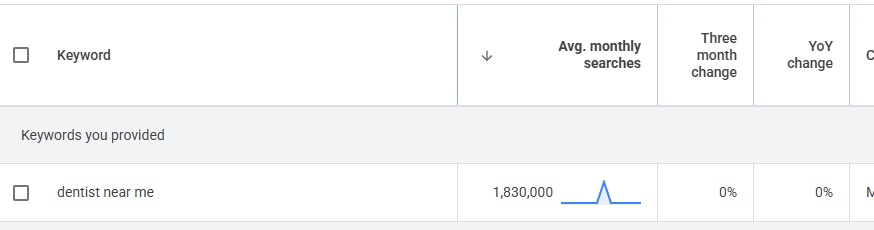
- Focus on terms such as “dentist near me,” “dentist in [city],” and “dental office near me.”
- Target the cities or ZIP codes the practice actually serves instead of covering an unnecessarily large area.
- Use the city or neighborhood in the ad and send clicks to the corresponding location page.
- Mention same-day appointments, new-patient offers, emergency availability, or convenient office hours when applicable.
- Include the office address, phone number, hours, services, Google reviews, and appointment form.
- Measure calls, appointment requests, and booked appointments rather than judging performance only by clicks.
Promote Same-Day Emergency Dental Appointments

- Focus on terms such as “emergency dentist,” “same-day dentist,” “tooth pain dentist,” and “emergency dental care.”
- Advertise same-day appointments only during periods when the practice can reliably accept emergency patients.
- Keep emergency ads separate from general dental campaigns so the budget targets patients with immediate needs.
- Address toothaches, broken or knocked-out teeth, dental injuries, swelling, and other urgent problems the practice treats.
- Focus the campaign on nearby patients who can realistically reach the office for same-day care.
- Send patients directly to a phone number, booking form, or dedicated emergency appointment page instead of a general homepage.
Offer a New Patient Special
- Bundle services such as an exam, digital X-rays, and cleaning into one new-patient package.
- Give the offer a clear value: For example, promote a $99 new-patient exam, X-rays, and cleaning instead of simply saying “special discount.”
- Set eligibility clearly: Limit the promotion to first-time patients and state whether insurance, existing patients, or certain treatments are excluded.
- Run offers such as “New patients save $50 through August 31” to give the campaign a defined promotional period.
- Target people searching for a new dentist within the practice’s service area.
- Link the ad directly to a new-patient booking page or appointment form.
Advertise Free or Low-Cost Consultations
- Offer the consultation for services patients often research before committing, such as dental implants, Invisalign, veneers, or full-mouth restoration.
- Make the offer concrete: For example, provide a free 30-minute Invisalign consultation or a $49 dental implant consultation instead of using a vague “affordable consultation” message.
- Include an assessment, treatment discussion, cost estimate, or treatment-plan overview when these are actually included.
- Use keywords and audiences related to the specific treatment rather than general “dentist” searches.
- Send Invisalign leads to an Invisalign page and implant leads to an implant consultation page.
- Remove unnecessary friction: Make it easy to request the consultation with a short form, phone number, or online scheduling option.
Promote Dental Implants to Patients With Missing Teeth
- Build ads around terms such as “replace missing teeth,” “tooth replacement options,” and “dental implants for missing teeth.”
- Create different ads for patients missing one tooth and those needing several replacements, so each message addresses a specific situation.
- Show before-and-after implant cases, where permitted, to help potential patients understand the possible outcome.
- Focus on issues such as difficulty chewing, gaps in the smile, or discomfort with removable options instead of leading with technical implant terminology.
- Direct interested patients to an implant consultation where the dentist can assess their needs and discuss suitable treatment options.
Advertise Invisalign for Adults
- Focus on searches such as “Invisalign for adults,” “clear aligners for adults,” or “straighten teeth as an adult” rather than broad orthodontic terms.
- Show how clear aligners can fit into work, meetings, and social situations without the appearance of traditional braces.
- Mention removable aligners, eating flexibility, oral hygiene, and treatment options for patients who delayed orthodontic care.
- Feature working adults in realistic situations instead of using the same generic orthodontic images often associated with teenagers.
- Pair the ad with a free Invisalign assessment or consultation so interested patients can find out whether they are suitable candidates.
- Use real adult results: Feature genuine before-and-after cases from adult patients, with appropriate consent, to make the campaign more relevant and credible.
Promote Professional Teeth Whitening
- Focus on searches such as “professional teeth whitening,” “teeth whitening dentist,” and “in-office teeth whitening” rather than general cosmetic dentistry terms.
- Highlight the actual in-office whitening service, including the treatment format and what makes it different from at-home whitening products.
- Run seasonal campaigns around weddings, graduations, holidays, or other events when people may be looking for a brighter smile.
- Use a clear promotion: For example, offer 20% off in-office whitening for new patients during a specific month instead of using a vague “special offer.”
- Use approved before-and-after images to demonstrate the type of change patients may expect from professional whitening.
- Explain how the dentist can assess the patient’s teeth and recommend an appropriate whitening approach based on their oral health.
Run Back-to-School Dental Checkup Ads
- Start the campaign a few weeks before school begins, when parents are already planning medical and dental appointments.
- Target parents with messaging around children’s dental exams, cleanings, X-rays, and preventive care before the new school year.
- Bundle an exam and cleaning, or offer a discounted checkup for children during the back-to-school period.
- Promote appointments for multiple children in the same visit or offer convenient after-school and Saturday hours.
- Position the checkup as part of the family’s back-to-school preparation rather than as a general dental promotion.
- Use a clear deadline: For example, run a promotion for appointments completed before the first day of school to give parents a specific reason to schedule.
Show Before-and-After Smile Transformations
- Use transformations from veneers, whitening, Invisalign, crowns, or other cosmetic services instead of mixing unrelated procedures in one ad.
- Keep before-and-after photos consistent in angle, lighting, and framing so the results are easy to compare.
- Add brief treatment details, such as the procedure performed and treatment duration, to give the result more context.
- Use real patient results with permission instead of stock photos or heavily edited images.
- Match each transformation to the service being promoted, such as alignment results for Invisalign ads.
- Mention that results vary and depend on each patient’s dental condition.
Introduce the Dentist in a Short Video Ad
- Film a 15–30 second video where the dentist introduces themselves, their experience, and the type of care they provide.
- Show the dentist speaking directly to the camera inside the actual practice instead of using stock footage.
- Focus each video on one topic, such as why patients choose the practice, a common dental concern, or a specific treatment.
- Add short clips of the office, dental team, and treatment rooms to help potential patients see where they will receive care.
- Use subtitles so the message remains clear when the video is watched without sound.
- End with the practice name, location, and a simple next step such as visiting the website or calling the office.
Create Educational Dental Video Ads
- Choose one common question per video, such as “How often should you get a dental cleaning?” or “When does a tooth need a crown?”
- Have the dentist explain the answer in 30–60 seconds using simple language and practical examples.
- Use close-up visuals, diagrams, or treatment footage when they help explain the topic.
- Turn common patient questions from consultations into recurring video topics.
- Add the practice name and location without turning the entire video into a sales pitch.
- Use the final few seconds to direct viewers to a relevant service page or consultation when appropriate.
Retarget People Who Visited Your Website
- Retarget visitors who viewed treatment pages but did not book an appointment, such as people who visited your Invisalign or dental implant page.
- Create separate audiences for different services so someone who viewed teeth whitening sees a whitening ad instead of a general dentist promotion.
- Show a relevant offer or next step, such as a free consultation or new-patient special, rather than repeating the original ad.
- Exclude people who have already booked or submitted a consultation request to avoid wasting ad spend.
- Set a reasonable retargeting period, such as 30–60 days, depending on how long patients typically take to make a decision.
- Use testimonials, treatment results, or FAQs in follow-up ads to address questions that may have stopped the visitor from booking.
Advertise to Patients Searching for a Specific Treatment
- Create separate campaigns for high-intent searches such as “dental implants,” “Invisalign,” “teeth whitening,” “veneers,” or “emergency tooth extraction.”
- Match the ad closely to the treatment the person searched for instead of sending every visitor to a general dentist page.
- Build a dedicated landing page for each service with treatment details, expected process, patient reviews, results, and appointment information.
- Address the main concern behind the search. An implant ad can focus on replacing missing teeth, while an Invisalign ad can focus on discreet teeth straightening.
- Use treatment-specific offers where appropriate, such as a free Invisalign consultation or implant consultation promotion.
- Track each treatment campaign separately to see which services generate the most qualified inquiries and appointments.
Promote Financing or Payment Options
- Advertise monthly payment options for higher-cost treatments such as implants, Invisalign, veneers, or extensive restorative work.
- Show a real example, such as “Implant treatment plans from $X/month for qualifying patients,” when the financing terms support that claim.
- Promote flexible payment plans alongside specific treatments instead of advertising financing without context.
- Clearly state eligibility, interest rates, down payments, and other important terms rather than presenting financing as universally available.
- Create separate financing messages for patients considering expensive treatments who may be delaying care because of cost.
- Use the financing information on the treatment landing page so patients can review costs and payment options before contacting the practice.
Run Facebook and Instagram Local Ads
- Target people within the practice’s actual service area rather than advertising across the entire city or state.
- Create separate campaigns for useful local offers, such as a new-patient exam, teeth whitening promotion, or free Invisalign consultation.
- Use photos and short videos of the actual dentist, team, office, and patient experience instead of generic dental stock images.
- Build ads around local situations, such as “New patients in Downtown Austin” or “Saturday dental appointments available in North Austin.”
- Retarget local users who previously visited the website or interacted with the practice’s social media content.
- Send each ad to a relevant service or booking page instead of the homepage so people can quickly find the information they saw in the ad.
Promote Family Dental Care to Parents
- Target parents within the practice’s service area with ads for children’s exams, cleanings, preventive care, and routine family dentistry.
- Promote family appointment blocks, such as scheduling two or more children during the same visit.
- Highlight practical benefits for parents, including after-school appointments, Saturday hours, convenient parking, or online booking.
- Use real photos of the dental team and child-friendly areas to show what a child’s visit is like.
- Run seasonal campaigns around back-to-school checkups, school holidays, or children’s dental health months.
- Send parents to a family dentistry page that clearly lists children’s services, accepted insurance, office hours, and how to schedule.
Advertise Seasonal Dental Services
- Run back-to-school dental checkup campaigns before the school year starts, focusing on exams, cleanings, and preventive care for children.
- Promote teeth whitening before weddings and graduation season, targeting patients preparing for upcoming events.
- Offer end-of-year dental appointments before insurance benefits expire, where applicable.
- Create holiday smile promotions for cosmetic services such as whitening or veneers during periods when patients may want to improve their smiles.
- Adjust the offer and ad creative to match the season instead of running the same dental promotion year-round.
- Set a clear campaign period so patients know when the seasonal offer or appointment availability ends.
Promote Convenient Appointment Times
- Advertise early-morning appointments for patients who want to visit before work or school.
- Promote evening dental appointments for people who cannot attend during standard office hours.
- Highlight Saturday availability in local ads to reach families and patients with weekday schedules.
- Create ads around specific availability, such as “Dental appointments available until 7 PM on Tuesdays and Thursdays.”
- Combine convenient hours with a relevant service, such as evening emergency appointments or Saturday family checkups.
- Update ads when appointment availability changes so patients are not promised time slots the practice cannot provide.
Run Google Local Service Ads for Dental Leads
- Set up Local Services Ads for the dental services the practice actually offers and define the service area around the office.
- Complete the practice profile with accurate business details, services, hours, photos, and relevant credentials.
- Use genuine Google reviews to strengthen the profile and help potential patients compare local providers.
- Focus the campaign on high-intent services such as general dentistry, emergency dentistry, implants, or orthodontics, depending on what the practice wants to grow.
- Track calls and messages generated through the ad and review which leads turn into actual appointments.
- Keep the profile and availability updated so leads are not generated for services or appointment times the practice cannot provide.
Conclusion
The right ad for dentist strategy connects your practice with people actively looking for dental care. If you want to build targeted campaigns, improve ad performance, and attract more qualified leads, Good Review Service can help manage your Google Ads and local dental advertising strategy.