



Choosing the right words can make a doctor review feel more credible and useful. Patients may focus on medical expertise, communication, bedside manner, staff support, wait times, or the overall care experience, while practices can use this feedback to understand how patients perceive them online.
Strong Doctor Review Samples That Build Patient Trust should feel specific and genuine rather than like generic five-star praise. This article from Good Review Service covers practical review examples based on different patient experiences, helping patients find relevant starting points while giving doctors and healthcare practices ideas for understanding and strengthening the trust they build online.
Doctor Review Samples by Patient Experience
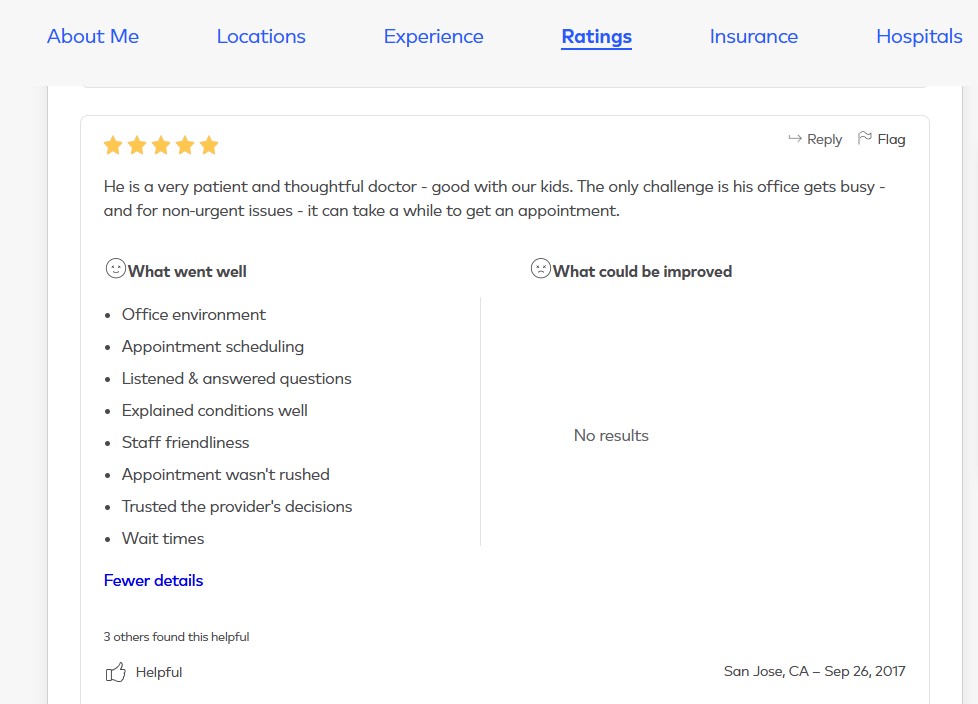
Reviews About a Doctor’s Communication
Good communication is often reflected in the small details of an appointment. A useful review can mention what the doctor explained, how they handled questions, or how they made medical information easier to understand.
Samples:
- “I came in worried about several symptoms, and the doctor let me explain everything before jumping to conclusions. That made the appointment feel much more thorough.”
- “The doctor walked me through my test results and explained what each number meant instead of simply telling me everything was normal.”
- “I asked a lot of questions about the treatment options, and the doctor explained the pros and cons of each one without making me feel like I was wasting their time.”
- “What stood out was how clearly the doctor explained what we knew, what we still needed to investigate, and what I should watch for next.”
- “Medical terms can be confusing, but the doctor used simple examples to explain my condition. I left the appointment knowing exactly what the next steps were.”
- “The doctor noticed that I was still unsure about the treatment plan and took a few extra minutes to explain it again. That made a big difference in how comfortable I felt moving forward.”
Reviews About Compassion and Bedside Manner
Compassion is often reflected in how a doctor treats a patient during moments of uncertainty, discomfort, or stress. Strong reviews describe what the doctor did that made the patient feel respected, heard, or reassured, rather than simply calling the doctor “caring.”
Samples:
- “I was nervous about the diagnosis, but the doctor gave me time to talk through my concerns instead of rushing straight into the next step.”
- “I never felt embarrassed discussing a sensitive issue. The doctor was respectful, calm, and made the conversation much easier than I expected.”
- “When I became emotional during the appointment, the doctor paused and gave me time to collect myself before continuing. That small gesture meant a lot.”
- “The doctor listened to what I was worried about and addressed those concerns directly rather than dismissing them as nothing to worry about.”
- “I came in feeling anxious about the procedure, and the doctor explained what would happen beforehand and checked that I was comfortable throughout the visit.”
- “What I appreciated most was that the doctor spoke to me as a person, not just as another appointment on the schedule.”
Reviews About Thorough Care
Reviews about thorough care are more useful when they show how the doctor approached the patient’s situation, rather than simply saying the doctor was “thorough.” Details about the examination, treatment choices, and follow-up make this type of feedback more credible.
Samples:
- “The doctor asked about symptoms I had almost forgotten to mention and connected them with the concerns that brought me in. I felt like the whole picture was being considered.”
- “Rather than recommending the first treatment option, the doctor explained several approaches and discussed what each one would mean for my situation.”
- “The examination felt very careful. The doctor took time to review my previous records and ask follow-up questions before deciding what to do next.”
- “I appreciated that the doctor explained why a particular treatment was being recommended instead of simply telling me what I needed.”
- “After my treatment, the office checked in to see how I was recovering and whether I had any concerns. That follow-up made the care feel much more complete.”
- “The doctor did not seem focused on getting through the appointment quickly. They reviewed the details of my case, answered my questions, and made sure I understood the next steps.”
Reviews About Treatment Experience
A strong treatment review can show what gave the patient confidence in the care, from understanding the treatment plan to receiving support after the appointment. These details are more informative than simply saying the treatment was “great.”
Samples:
- “Before starting treatment, the doctor explained what would happen at each stage, so I knew what to expect rather than going into it with unanswered questions.”
- “I felt confident moving forward because the doctor explained why this treatment was appropriate for my situation and what the expected outcome would be.”
- “The treatment itself was much easier than I expected. The doctor kept me informed throughout the appointment and made sure I was comfortable.”
- “Even after the procedure was finished, I knew who to contact if I had questions or concerns. That continued support gave me a lot of reassurance.”
- “The follow-up appointment was not treated as an afterthought. The doctor checked how I was progressing and adjusted the care plan based on how I was doing.”
- “I appreciated having a clear plan from the first appointment through follow-up care. I always knew what the next step was and what to expect.”
Reviews About the Doctor’s Office
A patient’s impression of a practice is not shaped by the doctor alone. Reviews may also describe the front desk, scheduling, check-in, cleanliness, and overall environment, giving practices useful insight into the patient experience outside the examination room.
Samples:
- “The front desk staff had my paperwork ready when I arrived, so check-in took only a few minutes.”
- “I called with a scheduling question and the receptionist explained the available options clearly instead of simply telling me to check the website.”
- “Everyone I interacted with was friendly and helpful, from the person who answered the phone to the staff member who helped me before the appointment.”
- “The office was clean and well organized, and the waiting area felt comfortable even though I arrived a little early.”
- “Scheduling the appointment was straightforward. I was given clear instructions about what to bring and what to expect before the visit.”
- “The check-in process was smooth, and the staff kept me informed when the doctor was running behind rather than leaving me wondering how long I would have to wait.”
Reviews About Wait Times and Convenience
Waiting and appointment logistics can have a noticeable impact on how patients judge a practice. Specific reviews can show whether the office respects patients’ time and makes the visit easy from booking through checkout.
Samples:
- “My appointment started almost exactly on time, which I really appreciated since I had to get back to work afterward.”
- “I expected to spend a long time in the waiting room, but I was checked in and brought back within a few minutes.”
- “Booking the appointment was easy. I was able to find a suitable time without several rounds of calls or waiting for someone to get back to me.”
- “The location was convenient for me, with easy parking and a short drive from my workplace.”
- “Everything moved efficiently from check-in to checkout. I was given the information I needed before leaving, so there was no confusion about the next appointment or follow-up.”
Short Doctor Review Samples
Not every patient wants to write a detailed review. Short feedback can still be useful when it mentions one specific part of the experience instead of relying on a generic compliment.
Samples:
- “Professional and caring throughout my visit. I felt listened to and never rushed.”
- “The doctor explained my options clearly and gave me confidence in the next step.”
- “Very patient and easy to talk to. I never felt uncomfortable asking questions.”
- “Thorough appointment and clear treatment plan. I knew exactly what to expect afterward.”
- “Friendly staff, smooth check-in, and a doctor who took my concerns seriously.”
- “I was nervous before the appointment, but the doctor explained everything calmly and made me feel comfortable.”
- “Easy to schedule, seen on time, and given clear answers to all my questions.”
- “The follow-up was just as thoughtful as the initial appointment. I felt well supported throughout my care.”
Detailed Doctor Review Samples
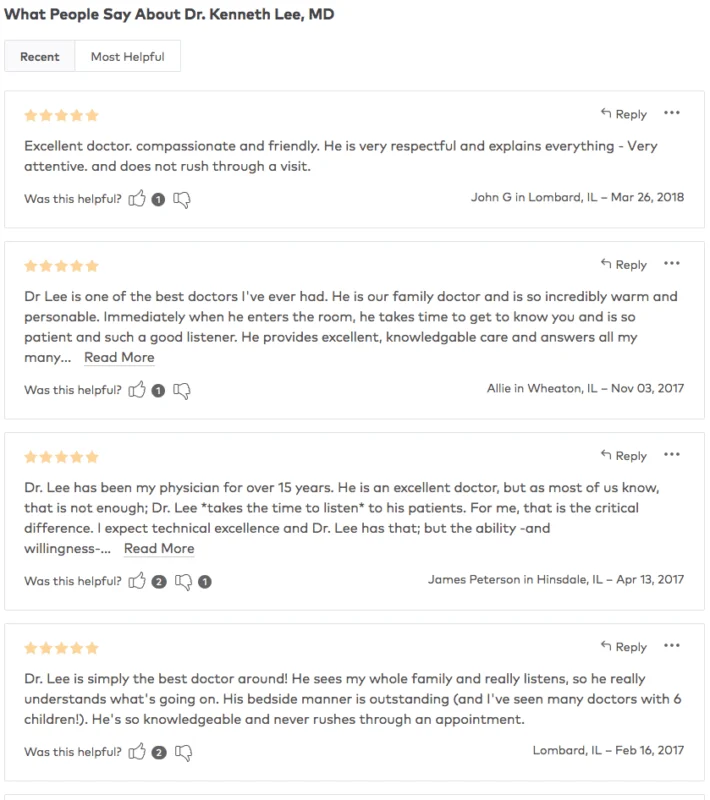
A detailed doctor review gives more context than a simple “Great doctor!” It connects the doctor → patient experience → specific detail → overall impression, making the feedback more useful to both the practice and prospective patients.
Samples:
- “I came in feeling unsure about what was causing my symptoms, but the doctor took time to review my history and ask questions before explaining the possible causes. I never felt rushed, and I left with a much clearer understanding of what we were going to do next. Overall, it was a very reassuring experience.”
- “What stood out most was the way the doctor explained my treatment options. Instead of simply recommending one approach, they walked me through the choices and answered all of my questions. I felt involved in the decision and much more confident about moving forward with the recommended treatment.”
- “The appointment was handled very professionally from start to finish. The doctor listened carefully, explained the test results in simple terms, and made sure I understood the follow-up plan. The staff were also friendly and helpful, which made the entire visit feel organized and comfortable.”
- “I was quite anxious before the procedure, but the doctor explained each step and checked on me throughout the appointment. That attention made the experience much easier than I expected. The follow-up afterward was also helpful, and I appreciated knowing that I could contact the office if I had any concerns.”
- “I had been putting off making an appointment because I was worried about what I might hear. The doctor listened to my concerns without making me feel judged and took time to explain what the next steps would be. I left feeling respected, informed, and much less anxious about my situation.”
Balanced Doctor Review Samples
Not every positive patient experience results in a five-star review. Balanced doctor reviews can praise the quality of care while also pointing out something the practice could improve. For practices, this type of feedback can be especially useful because it shows both strengths and friction points.
Samples:
- “The doctor was knowledgeable and took my concerns seriously, but I waited almost an hour before the appointment started.”
- “I was very happy with the care and felt confident in the doctor’s recommendations. Scheduling the appointment, however, required several calls before I could find a suitable time.”
- “The doctor answered all my questions and explained the treatment clearly, but the appointment felt a little rushed toward the end.”
- “The staff were friendly and the doctor provided excellent care. The waiting area was quite crowded, though, and the check-in process could be more efficient.”
- “I appreciated how thorough the doctor was and how clearly everything was explained. I just wish the follow-up instructions had been provided in more detail.”
- “Overall, I had a positive experience and would return. The care was excellent, but communication about the appointment delay could have been better.”
Learn more:
What Doctors Should Not Do With Review Samples
Review samples can help doctors and practices understand the types of feedback patients may share, but they should not be used to manufacture or manipulate reviews. The goal is to encourage genuine patient feedback while protecting trust, privacy, and compliance.
Don’t Copy the Same Review for Multiple Patients
A collection of sample reviews should be a reference, not a script. Using the same wording across multiple patient reviews can make feedback look artificial and reduce its credibility.
Encourage patients to describe their own experience in their own words. A review does not need to sound polished to be valuable.
Don’t Write Reviews for Patients
Practices should not write a review on behalf of a patient and ask them to post it as their own. Even if the experience was genuinely positive, the review should come from the patient.
Sample reviews can show patients what types of experiences they might mention, but the final wording should remain their own.
Don’t Offer Incentives for Positive Reviews
Avoid offering discounts, gifts, or other benefits specifically in exchange for positive reviews. Review requests should not create pressure for patients to leave favorable feedback.
A better approach is to invite honest feedback from patients regardless of whether their experience was positive or negative.
Don’t Ask Patients to Mention Specific Keywords
Asking patients to include phrases such as a doctor’s name, service, location, or specific keyword can make reviews feel scripted.
Instead, ask about the patient’s experience and let them decide what details are relevant. Natural reviews are more credible than reviews built around SEO terms.
Don’t Include Private Patient Information
Doctors and practices should never reveal protected or identifying patient information when responding to reviews. Even when a patient publicly shares details about their care, the practice should be careful about confirming or adding private information.
Keep public responses focused on professionalism, appreciation, and an invitation to continue the conversation through an appropriate private channel.
The purpose of doctor review samples is to understand and encourage authentic patient feedback – not to create reviews that all sound the same. This distinction is important for maintaining patient trust while managing a healthcare practice’s online reputation responsibly.
Build Patient Trust With Authentic Doctor Reviews
Strong Doctor Review Samples should reflect real patient experiences, not scripted praise. Reviews that mention communication, compassion, thorough care, treatment, staff, or convenience give prospective patients a clearer idea of what to expect while helping practices understand how patients perceive their care.
For doctors and healthcare practices looking to collect and manage genuine patient feedback, Good Review Service provides review services designed to support a stronger online reputation without taking away the authenticity of patient experiences.