



Running a successful restaurant in today’s highly competitive food and beverage market requires much more than just serving great food. With consumers flooded with endless dining options, standing out online and capturing neighborhood foot traffic demands a proactive, multi-channel marketing approach.
To help you fill empty tables and drive consistent revenue, Good Review Service has curated this definitive guide featuring 35 actionable restaurant marketing ideas. This practical playbook will guide you through high-impact digital strategies, local discovery tactics, and proven reputation-building methods designed to maximize your visibility, generate authentic 5-star reviews, and turn first-time diners into loyal regulars.
Why Restaurant Marketing Matters
In a saturated industry, exceptional food alone cannot guarantee business survival. Strategic marketing is what transforms your culinary concept into a recognizable brand, scales your daily visibility, and actively captures ready-to-spend diners before they choose a competitor.
-
Drives Customer Acquisition: Because the vast majority of modern diners choose where to eat using online search, targeted marketing places your business directly in front of locals searching for your specific cuisine.
-
Builds Brand Awareness: A cohesive marketing and branding strategy ensures your restaurant’s visual identity, messaging, and presence remain instantly recognizable and top-of-mind within a crowded local food scene.
-
Boosts Customer Retention: Staying connected pays off-restaurants utilizing active digital marketing, loyalty programs, and email newsletters experience 20% to 30% higher customer retention rates than those that remain silent.
-
Protects Your Reputation: Online reviews dictate restaurant traffic. Consistent marketing involves managing your digital reputation, allowing you to turn positive guest feedback into social proof and address negative experiences to retain community trust.
-
Fills Off-Peak Hours: You cannot afford empty tables during slow mid-week shifts. Digital marketing gives you the power to promote targeted flash deals, happy hours, or exclusive tasting events to maximize table turnover when you need it most.
35 Restaurant Marketing Ideas
1. Optimize Your Google Business Profile
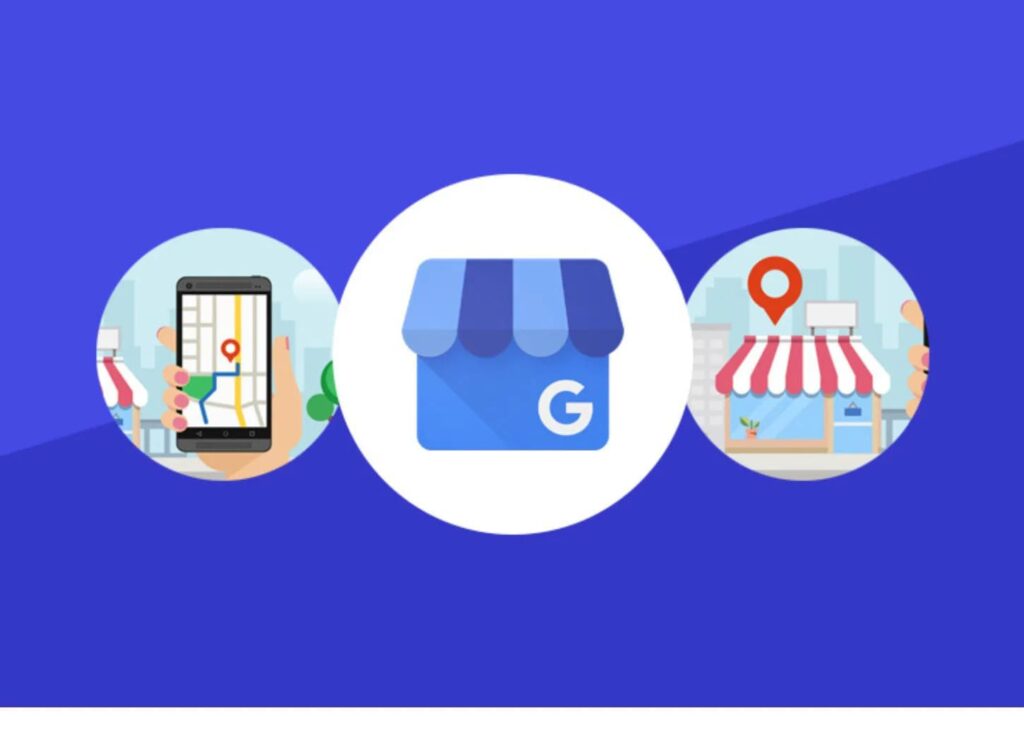
Your Google Business Profile (GBP) is the ultimate digital storefront. Since nearly half of all Google searches have local intent, a fully optimized profile places your restaurant directly in front of hungry diners at the exact moment they are looking to eat nearby, maximizing your visibility on Google Maps for free.
-
Select the exact primary category (e.g., “Italian Restaurant”) to instantly match Google’s local map ranking algorithm.
-
Lock in matching NAP data by ensuring your business Name, Address, and Phone number are identical across your website and listing.
-
Upload 25+ high-quality photos featuring your best-selling dishes, updated menus, and interior dining atmosphere.
-
Insert direct call-to-action links for online ordering, digital menus, and table reservation systems to secure instant bookings.
2. Run Local Google Ads
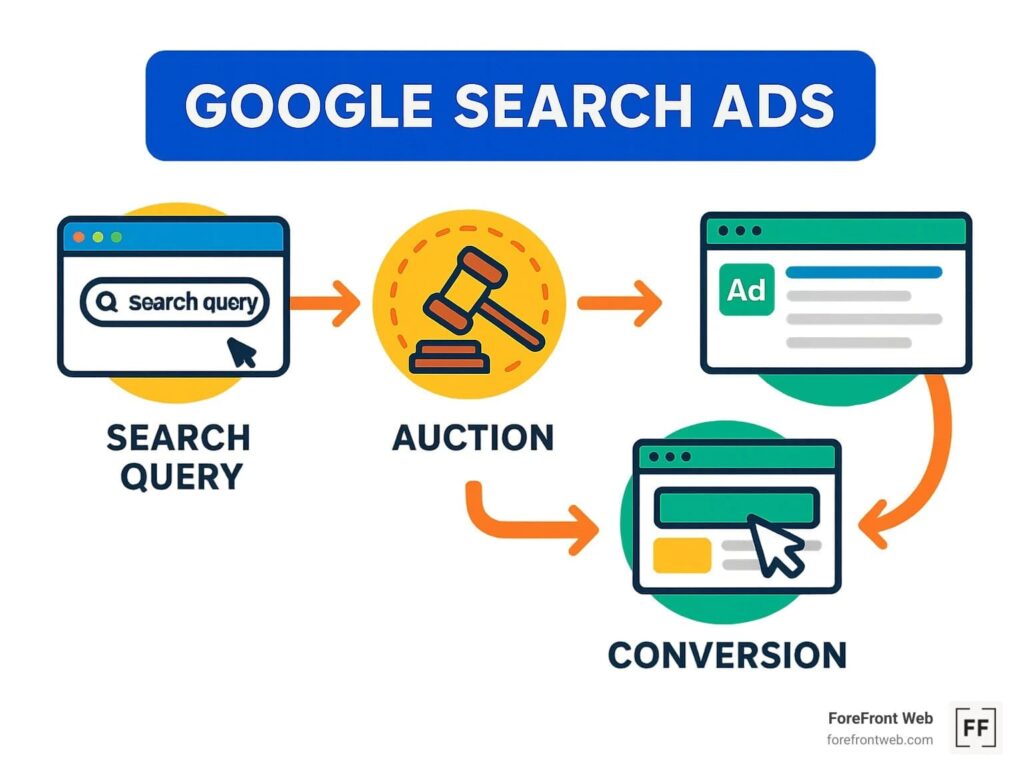
Location-targeted Google Ads offer the fastest route to the top of search results when you need to fill tables immediately. This strategy allows your restaurant to intercept ready-to-spend diners at the exact moment they search for nearby dining options, making it a highly cost-effective way to drive instant lunch or dinner traffic.
To maximize your paid search return on investment, geofence your campaigns to a tight 3-to-5-mile radius around your physical storefront so you only pay for ads shown to nearby customers. Focus your budget on high-intent phrases like “best steakhouse near me“ or “[cuisine] in [neighborhood name]“. Make sure to enable location extensions to display your address and distance directly inside the ad, and utilize ad scheduling to increase bids right before peak dining hours. Finally, route clicks to a mobile-optimized landing page with prominent “Call Now“ or “Book a Table“ buttons to secure fast conversions.
3. List on Food Delivery Platforms
Partnering with major aggregators like DoorDash, Uber Eats, or Grubhub instantly connects your kitchen with a massive, built-in audience of hungry locals. Beyond generating immediate off-premise sales, these applications act as digital billboards, introducing your brand to nearby residents who prefer dining at home.
-
Structure your in-app menu with concise, keyword-rich dish descriptions and professional food photography to maximize your checkout conversion rates.
-
Participate strategically in platform promotions like free delivery on first orders or special lunch bundles to boost your restaurant’s algorithmic ranking in local feeds.
-
Slip branded marketing materials like a discount coupon or a QR code linking directly to your native website ordering system into every delivery bag to convert third-party users into direct customers.
4. Build a Responsive, SEO-Friendly Website
A dedicated restaurant website serves as your primary digital flagship, giving you complete control over your brand story and customer data without third-party commissions. Since the majority of local dining decisions are made on the move, a mobile-optimized, fast-loading site ensures you capture high-intent organic traffic and convert casual searchers into confirmed guests.
-
Build your digital menu directly using crawlable HTML text rather than clunky, non-SEO-friendly PDF files so search engines can easily index your specific dishes and dietary keywords.
-
Implement structured LocalBusiness and Restaurant schema markup within your site’s code to help search engines accurately display your operating hours, price range, and physical address in rich search snippets.
-
Optimize your page loading speed by compressing high-resolution food imagery and removing redundant scripts, as slow performance directly damages your local map pack rankings.
-
Place clear, high-contrast call-to-action buttons like “Book a Table” or “Order Online” prominently at the top of every page to minimize booking friction for mobile users.
-
Embed an interactive Google Map and your exact NAP (Name, Address, Phone number) details clearly in the website footer to reinforce your geographic relevance to search crawlers.
5. Send Personalized Email Campaigns
Email marketing gives you a direct, algorithm-free line of communication to your past guests. By sending targeted, relevant messages instead of generic blasts, you can effectively trigger cravings, fill tables during slow shifts, and maximize customer lifetime value.
-
Segment by dining habits to send highly relevant offers tailored specifically to weekend brunch lovers, weekday lunch rushers, or night-time diners.
-
Automate milestone rewards like a free birthday appetizer or anniversary discount to incentivize guests to book their celebration tables with you.
-
Offer exclusive VIP perks such as early-bird holiday reservations or first access to seasonal menu previews to make your subscribers feel valued.
-
Lead with appetizing visuals and short, punchy copy paired with localized subject lines to instantly capture attention and drive immediate bookings.
6. Launch a Loyalty Program
A digital loyalty program gives diners a concrete reason to choose your restaurant over competitors, making it one of the most effective ways to boost repeat visits and increase average check sizes.
-
Connect to your POS: Allow guests to join and track rewards seamlessly using just their phone number at checkout to eliminate sign-up friction.
-
Offer immediate value: Provide an instant, low-cost welcome reward (like a free appetizer or drink) right after registration to hook users immediately.
-
Run double-point shifts: Drive traffic during slow mid-week hours by offering multiplied points to incentivize off-peak dining.
-
Focus on experiences: Let customers redeem points for high-margin menu items or exclusive perks like priority weekend seating, preserving your profit margins.
7. Host Special Events
Hosting unique, time-sensitive events transforms your restaurant into a local entertainment destination. This strategy is highly effective for pulling in large groups, maximizing revenue on historically slow shifts, and introducing your brand to entirely new demographics.
| Event Type | Why it Works |
| Wine or Beer Pairing Dinners | Ticketed, exclusive multi-course menus maximize profit margins and attract high-spending foodies. |
| Live Music or Trivia Nights | Extends guest stay-time and heavily boosts mid-week beverage and appetizer sales during slow evenings. |
| Cooking or Mixology Masterclasses | Drives massive word-of-mouth buzz and creates highly shareable, user-generated content for social media. |
To protect your bottom line, always require upfront ticket purchases or non-refundable table deposits online to completely eliminate last-minute no-shows.
8. Partner with Local Influencers
Inviting local food creators to review your menu outsources your content creation to trusted figures who already hold the attention of your target audience. Authentic visual endorsements on Instagram and TikTok trigger immediate cravings and drive faster foot traffic than traditional advertising.
-
Focus on micro-influencers: Partner with creators tracking 5,000 to 30,000 hyper-local followers. They maintain the highest engagement rates and often collaborate purely in exchange for a free hosted meal.
-
Serve camera-ready dishes: Highlight visually striking, interactive menu items—like tableside pours, smoke effects, or dramatic cheese pulls—that naturally command attention on short-form video feeds.
-
Track ROI with custom codes: Give every creator a unique promo code or booking link to accurately measure exactly how many covers and sales their content drives to your point-of-sale system.
-
Repurpose top content: Secure the rights to use their best-performing videos in your own targeted social media ads, extending the lifespan and reach of the endorsement.
9. Run Facebook & Instagram Ads
Social media advertising allows you to intercept hungry users with highly visual ads right when they are deciding what to eat. Because Meta’s platforms track detailed location and behavioral data, you can pinpoint consumers who are physically close to your storefront and match your exact culinary concept.
-
Hyper-local geographic targeting ensures your ad budget is spent exclusively on users living or working within a tight radius of your restaurant.
-
Sensory, short-form video creative captures immediate attention in scrolling feeds by focusing on appetizing, close-up visuals of your signature dishes and atmosphere.
-
Strategic dayparting schedules deliver your ads precisely one to two hours before lunch and dinner windows to catch consumers at peak hunger times.
-
Interest and behavioral filtering aligns your paid campaigns directly with specific dining preferences, dietary habits, or cuisine types.
10. Create TikTok Content
TikTok’s location-aware algorithm acts as a powerful organic discovery engine, pushing engaging short-form videos directly onto the feeds of nearby users regardless of your follower count.
To stand out on the platform, focus your content strategy on three distinct pillars:
-
Behind-the-scenes storytelling: Unedited glimpses of kitchen prep, chef personalities, and peak dinner rushes that build a human connection.
-
Sensory food ASMR: High-quality, close-up audio and visuals of sizzling, crunching, and pouring that trigger immediate cravings.
-
Localized trend hijacking: Adapting viral audio tracks and comedy formats with your city name to signal the algorithm to target local feeds.
11. Create a Branded Hashtag
A custom hashtag turns your dining room into a digital marketing asset, organizing all user-generated content into a singular, clickable feed. It acts as an easily discoverable hub of social proof where potential guests can browse authentic reviews and real food photos before booking a table.
Create brochures, digital graphics, table tents, or other small signage featuring your unique hashtag to display in your area:
-
In-venue dining tables (via QR codes or custom table tents)
-
Main social media bio sections
-
Highly photographable accent walls or neon signs
-
Physical printed receipts handed to guests at checkout
Before creating your marketing materials, review your current social feeds. See what hashtags your local competition is using, track what your guests are already tagging naturally, and create a short, memorable phrase that will set your brand apart from the rest.
12. Invest in Professional Food Photography
People eat with their eyes first. Low-quality smartphone photos can easily turn potential diners away, whereas professional, high-resolution imagery instantly increases the perceived value of your menu, allowing you to justify premium pricing and boost online orders.
-
Hero Shots: High-definition close-ups of your most profitable dishes to increase menu conversion rates.
-
Action Shots: Capturing movement—like melting cheese or pouring sauces—to stop users from scrolling past your social media feeds.
-
Atmosphere Shots: Wide-angle, vibrant captures of your dining area to build trust on Google Maps and your website.
Before booking a shoot, identify your top-selling items and create a specific shot list focused entirely on replacing your lowest-quality digital images.
3. Host Cooking Classes
Opening up your kitchen for ticketed cooking or mixology classes shifts your business model from selling food to selling a premium culinary experience. This strategy generates upfront revenue during historically quiet hours and positions your culinary team as local authority figures.
Execution Checklist: > * Keep classes small (10–15 guests) to preserve a premium, hands-on feel.
-
Choose highly recognizable, signature menu items that feel achievable but look impressive.
-
Gift every participant a branded recipe card or a small bottle of a house-made sauce to keep your brand top-of-mind long after the class ends.
The real marketing value lies in the organic ripple effect: attendees inevitably document their hands-on cooking process on social media, providing your restaurant with highly authentic, user-generated exposure to their entire local network.
14. Partner with Local Businesses
Cross-promoting with non-competing businesses in your immediate neighborhood embeds your restaurant into the local economy and gives you direct access to an established customer base. It is a highly cost-effective strategy to capture corporate clients and residential consumers without paying for digital ads.
| Target Partner | Collaborative Strategy | Expected Outcome |
| Boutique Hotels / Airbnbs | Provide exclusive “VIP Guest” discount flyers for front desks or welcome welcome-baskets. | Captures high-spending out-of-town travelers looking for verified dinner spots. |
| Corporate Offices | Offer a recurring 10% “Corporate Lunch Hour” discount for employees with valid corporate IDs. | Secures consistent, high-volume lunch rushes and lucrative catering gigs. |
| Local Gyms / Fitness Studios | Co-create a high-protein, clean-eating meal option featured on your menu. | Attracts health-conscious consumers who will actively recommend your spot. |
15. Introduce Seasonal Menus
A static menu eventually breeds diner fatigue, causing even your most loyal regulars to look elsewhere for variety. Rotating your offerings with short-run, seasonal menus introduces a powerful element of scarcity and urgency, giving past guests a compelling reason to return to your dining room throughout the year.
-
Spring/Summer: Lean heavily into crisp, lightweight ingredients, cold-brew variations, and refreshing, fruit-forward cocktails designed to draw in hot-weather crowds.
-
Autumn/Winter: Shift your focus toward hearty comfort foods, rich stews, slow-cooked meats, and warm, spiced beverages that align with cold-weather cravings.
-
The Limited-Time Offer (LTO): Run hyper-specific, monthly ingredient spotlights (e.g., “Truffle Month” or “Local Berry Festival”) to trigger immediate fear-of-missing-out (FOMO) and drive short-term traffic spikes.
To maximize your margins, always build these seasonal rotations around ingredients that are currently at peak harvest, as this keeps your wholesale food costs low while maximizing the freshness and quality on the plate.
16. Offer Free Birthday Rewards
Birthday marketing is a high-yield strategy because celebrating diners rarely eat alone. Offering a high-value incentive (like a free entree or dessert) to the birthday person secures large group reservations and high-margin spend from their accompanying friends and family.
-
Automate via Email/SMS: Set your loyalty system to auto-send a personalized voucher 7 to 14 days before the guest’s birthday to capture the planning window.
-
The “Bring a Party” Clause: Require a minimum table size (e.g., “Free entree with a party of 4+”) to ensure the cost of the free item is easily absorbed by the overall bill.
17. Promote Happy Hour Specials
Happy Hour bridges the unprofitable gap between the lunch rush and prime dinner service. Instead of slashing prices across the board, use a targeted discount structure to clear specific inventory and upsell full-priced items.
- The “High-Margin Hook” Strategy: Pair deeply discounted, low-cost drinks (like draft beers) with premium, salty appetizers. The snacks naturally drive up thirst, forcing guests to order subsequent rounds at full price.
-
Targeted Timing: Run the promotion strictly from 4:00 PM to 6:00 PM on weekdays to capture the corporate “after-work” crowd looking to unwind.
18. Start a Referral Program
A referral program turns your existing customer base into an active sales force. Rewarding word-of-mouth recommendations allows you to acquire high-lifetime-value guests at a fraction of the cost of digital ads.
-
The Double-Sided Incentive: Reward the advocate with a $10 account credit after their referred friend completes their first visit, while offering the friend a free appetizer to entice them through the door.
-
Digital Tracking: Use unique digital links or codes within your POS system to track successful referrals seamlessly, completely eliminating easily lost paper cards.
19. Manage Yelp & TripAdvisor Listings
Travelers and newcomers heavily rely on aggregate review sites to make split-second dining decisions. If your listings on Yelp and TripAdvisor are unmanaged, inaccurate, or full of unanswered complaints, you are actively leaking high-intent foot traffic to nearby competitors.
-
Claim and unify data: Verify ownership of both profiles and ensure your operating hours, phone number, website link, and address exactly match your Google Business Profile.
-
The “Freshness” Signal: Regularly upload high-resolution photos of your interior and current menu items to prove to the platform’s algorithm that your business is highly active.
-
Tactful Review Management: Respond to all 1-star and 5-star reviews within 48 hours. Address negative feedback professionally by offering a direct management email to move the conflict offline.
20. Run YouTube Ads
YouTube ads offer a major advantage over Facebook or Instagram: high viewer intent and attention. While users scroll past social feeds quickly, YouTube allows you to run unskippable, hyper-targeted video ads directly to locals who are watching food reviews, cooking channels, or travel vlogs.
- The 5-Second Hook Rule: Place your most appetizing dish, your restaurant’s name, and your exact neighborhood within the first 5 seconds of the video. Even if the viewer clicks “Skip Ad,” you have successfully secured free local brand awareness.
-
Target YouTube Search Intent: Set your ad campaigns to trigger when users in your geographic zip codes search for terms like “best restaurants near me,” “where to eat,” or specific cuisine types.
21. Publish Restaurant Blog Content
Publishing high-quality articles on your website is a long-term play that builds powerful Local SEO authority. By targeting informative, food-related keywords that your competitors ignore, you capture local search traffic well before consumers even decide to book a table.
Instead of writing generic updates, focus your content strategy on these high-value topics:
-
Local Culinary Guides: Write pieces like “The Ultimate Guide to Weekend Brunch in [City Name]” or “5 Date Night Spots in [Neighborhood]”, naturally positioning your own restaurant as the top recommendation.
-
Behind-the-Recipe Stories: Share the history of your signature dishes, interview your head chef, or publish modified versions of your popular cocktail recipes to build brand affinity and earn high-quality backlinks from local food bloggers.
22. Partner with Hotels & Tour Operators
Out-of-town travelers have zero local brand loyalty and rely heavily on recommendations. Partnering with nearby hospitality staff allows you to intercept high-spending tourists before they even open a review app.
-
Concierge VIP Cards: Supply front-desk staff with exclusive referral cards for guests. Reward the staff with complimentary meals or small incentives for every table they send your way.
-
Tourism Welcome Packs: Place digital vouchers or free-drink tokens directly into Airbnb welcome guides or local tour operators’ booking confirmation emails.
23. Use QR Codes for Promotions
Static posters fail because they require too much manual effort from the customer. Dynamic QR codes instantly bridge the gap between physical foot traffic and your digital marketing funnel.
- The Direct Rule: Never link a QR code to a generic homepage. Point it straight to a high-converting action page, such as an instant coupon in exchange for an email or a direct reservation link.
-
High-Traffic Placement: Print codes on street-facing windows, table tents, and physical receipts to capture diners at peak engagement moments.
24. Offer a Chef’s Table Experience
A Chef’s Table upgrades an ordinary dinner into high-end culinary theater. Hosting an exclusive, limited-seating tasting menu allows you to command premium, fixed ticket prices and maximize your profit margins.
-
Scarcity Pricing: Limit the experience to one or two seatings per week in a private corner of the kitchen to drive urgency and multi-week waiting lists.
-
Storytelling Hook: Have the chef personally present the origin and inspiration behind each course, creating a highly shareable, bucket-list experience that drives organic word-of-mouth.
25. Advertise on Local Reddit Communities
Reddit users hate traditional advertising, but they love supporting authentic local businesses. To win on a city subreddit (like r/Austin or r/Chicago), you need to drop the corporate marketing language completely and speak like a neighbor.
Run a targeted text-only ad within your local geographic subreddits. Instead of a flashy banner, use a candid, self-aware headline: “We just opened a family-run ramen shop on 5th Street. We know Reddit is skeptical of ads, so here is a direct, no-strings coupon for a free appetizer if you want to come test us out.” Turn the ad’s comment section on—answering questions about your ingredients or dietary options in real-time builds a level of trust that money cannot buy on other platforms.
26. Launch a Restaurant Podcast or Video Series
Nobody tunes into a weekly show just to hear a restaurant talk about its own menu updates. If you want to build a loyal audience, you have to position your restaurant as the virtual “town square” of your neighborhood.
Launch a raw, interview-style video series on YouTube or Spotify. Sit down with local artists, business owners, or neighborhood legends over a meal at your bar. By shifting the spotlight onto the community, the guests will naturally share the episodes with their own networks, cementing your venue as a cultural landmark and a place where important local conversations happen.
27. Collaborate with Schools & Universities
Operating near a campus gives you direct access to a highly dense, budget-conscious, and social demographic. The key to capturing this market is embedding your brand into their school pride and weekly routines.
-
Off-Peak Student Hours: Create an automated “Study Break” window between 2:00 PM and 5:00 PM, offering a flat discount to anyone with a valid student or faculty ID. This injects cash flow into your slowest mid-afternoon hours.
-
Spirit Night Takeovers: Partner with local high school booster clubs or university student groups to host fundraiser nights. Promising a small percentage of the evening’s proceeds back to their club fills your dining room on slow Mondays or Tuesdays, driving massive foot traffic from parents and peers who want to support the cause.
28. Create a Secret Menu
Psychology shows that people love feeling like insiders. A “secret menu” taps directly into the fear of missing out (FOMO) and the desire for exclusivity, turning regular dining into a scavenger hunt that customers can’t wait to brag about online.
The execution should rely entirely on word-of-mouth. Introduce 2–3 unlisted items-like a hyper-indulgent burger variation or a custom off-menu cocktail. Do not print them on your physical menus or post them on your website. Instead, drop subtle hints in your Instagram Stories or let your staff casually whisper to loyal regulars: “If you ask the bartender for ‘The Midnight Special,’ they’ll make it for you.” This creates an organic social media ripple effect as diners rush to TikTok and Instagram to show off their “exclusive” knowledge to their friends.
29. Host “Pay What You Want” Nights
Testing a “Pay What You Want” model for a single evening sounds financially risky, but it is actually a powerful weapon for generating massive local PR and breaking through market stagnation. It shifts the conversation from price to mutual trust and community connection.
To protect your margins while maximizing the buzz, follow a strict framework:
-
Restrict the Menu: Apply this promotion only to a fixed, limited menu consisting of high-volume, low-food-cost items (like pastas, pizzas, or street tacos). Drinks must remain at full price.
-
Set a Clear Cause: Run the night during your slowest annual week and tie a portion of the proceeds to a local charity.
When given total freedom, the vast majority of customers will actually pay fair market value or overpay out of goodwill—and the spike in full-priced alcohol sales along with the wave of free local press easily covers the cost of the event.
30. Partner with Local Breweries or Wineries
If your restaurant doesn’t have a full liquor license-or if you just want to tap into a highly passionate, established audience—cross-industry collaboration is the fastest shortcut. Local beverage producers already have a fiercely loyal fanbase of foodies who are constantly looking for new venues to explore.
Co-host a monthly “Tap Takeover” or a curated wine-pairing dinner. Your kitchen develops a custom, one-night-only menu designed to complement the brewery’s flagship pours, and both businesses cross-promote the event to their respective email lists. It’s a perfect win-win: the brewery sells their inventory in bulk to your venue, and you fill your seats with high-spending, motivated diners who might have never crossed your threshold otherwise.
31. List on OpenTable & Resy
Relying solely on phone calls or a basic contact form for reservations is an administrative headache that costs you customers. Modern diners expect friction-free, instant confirmation, which is exactly why listing your venue on major reservation networks like OpenTable or Resy is non-negotiable.
These platforms operate as high-intent search engines. Millions of users log onto these apps every weekend with their credit cards out, actively filtering for “Table for 4, Italian, tonight at 7:00 PM.” While the cover fees can add up, the platforms pay for themselves by exposing your brand to thousands of affluent tech-savvy diners, automatically managing your floor plan optimization, and significantly reducing costly no-shows through automated SMS reminders and credit card hold policies.
32. Encourage User-Generated Content
Diners trust the raw smartphone photos of complete strangers far more than a restaurant’s polished, professional marketing campaigns. To turn your dining room into a content-generating machine, you need to bribe your guests’ cameras with undeniable visual value.
Instead of just hoping people tag you, incentivize it at the table. Train your staff to mention a simple perk: “If you post your plate to your Instagram Story and show us, we’ll take 5% off your bill tonight or bring out a complimentary house-made dessert.” This turns content creation into a frictionless transaction, instantly flooding local social media feeds with real-time, authentic endorsements of your food.
33. Run a Bring-a-Friend Promotion
The fastest way to double your foot traffic on a slow Tuesday is to make your existing customers do the inviting for you. A “Bring-a-Friend” campaign works because it targets the social nature of dining out.
Launch a targeted SMS or email blast to your loyalty members offering a “Buy One, Get One 50% Off” deal on entrees, with a strict conditional twist: It is only valid for tables of two or more. By positioning the deal as a social event, your regulars will actively recruit coworkers, roommates, or dates to join them just to unlock the discount—handing you a fresh opportunity to impress a brand-new customer.
34. Offer a Mystery Dish
If you want to clear out excess kitchen inventory without lowering your brand’s perceived value with a cheap “clearance” discount, gamify your menu.
Add an item called “The Kitchen Wildcard” at a fixed, reasonable price point. The item changes every night based entirely on the chef’s whim or surplus premium ingredients (like an extra loin of salmon or high-end seasonal vegetables). The server simply tells the guest: “It’s a surprise, but the chef promises it’s incredible.” Adventurous diners will order it purely for the thrill of the reveal, allowing your kitchen to maximize profits on ingredients that would have otherwise gone to waste.
35. Partner with Local Charities
Modern consumers love to justify their dining expenses by feeling like they are contributing to a greater cause. Partnering with a localized charity gives your neighborhood a deeply emotional reason to choose you over a sterile corporate chain.
Host a monthly “Community Giveback Night” where 15% of all dinner proceeds from a specific evening are donated directly to a local animal shelter, youth sports league, or food bank. The magic of this strategy is that the charity will actively promote your event to their entire donor network and email list for free, filling your seats on a historically slow night with highly motivated, big-spending diners.
Frequently Asked Questions
What Is the Most Effective Restaurant Marketing Strategy?
Local SEO and Google Maps optimization. When people are hungry, they search “restaurants near me” on Google or open Google Maps. Having a claimed profile with accurate hours, five-star reviews, and high-quality food photos is the fastest way to capture customers at the exact moment they are ready to buy.
How Can a Restaurant Attract More Customers?
Leverage user-generated content (UGC) and run radius-targeted social ads. Bribe your current diners with a free drink or dessert if they post and tag your restaurant on Instagram or TikTok. Then, amplify that exact organic content through Meta ads targeted strictly within a 3-mile radius of your front door during lunch and dinner rushes.
How Much Should Restaurants Spend on Marketing?
3% to 6% of your gross sales. New restaurants building initial awareness should invest 6% to 8% to fund professional photoshoots, launch events, and aggressive local ads. Established venues can comfortably drop back to 3% to 4% to maintain visibility and run seasonal promotions.
Which Marketing Channels Work Best for Restaurants?
Google Maps, Instagram/TikTok, and direct SMS/Email loyalty lists. * Google Maps intercepts new, high-intent local searchers.
-
Instagram and TikTok act as your visual storefront to drive food cravings.
-
SMS and Email let you bypass paid algorithms entirely, allowing you to fill empty tables on slow weeknights with direct, exclusive offers to your regulars.
Implementing these restaurant marketing ideas is a major step toward success, but you don’t have to do it alone. Good Review Service is here to help you manage your most important asset: your reputation. We ensure that your marketing efforts are supported by a glowing 5-star image that builds instant trust with every new lead.