



Building customer loyalty is one of the biggest challenges for restaurants in a competitive market. A well-designed restaurant loyalty program can encourage repeat visits, increase customer retention, and turn occasional diners into long-term customers. In this guide, Good Review Service shares 25 practical restaurant loyalty program ideas that help restaurants strengthen customer relationships, improve guest experiences, and drive sustainable growth.
What Makes a Great Restaurant Loyalty Program?
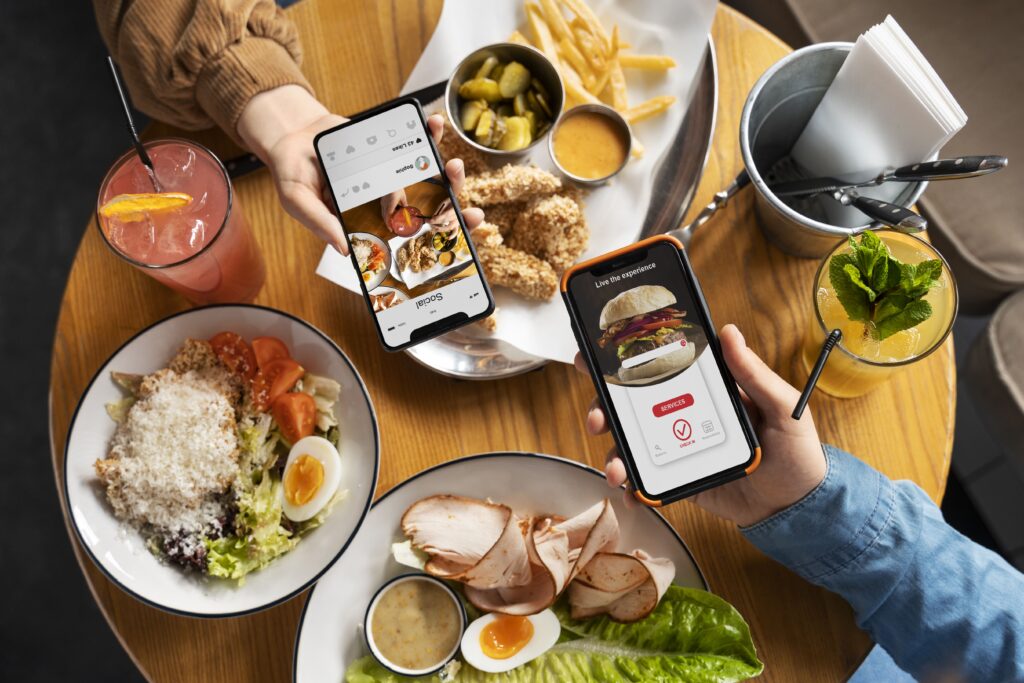
A great restaurant loyalty program is easy to join, simple to use, and offers rewards that customers genuinely value. It should encourage repeat visits while making customers feel appreciated—not confused by complicated rules.
The best restaurant loyalty programs typically include:
- Simple enrollment with minimal sign-up steps.
- Easy-to-understand rewards, such as points, discounts, or free menu items.
- Meaningful incentives that motivate customers to return.
- Straightforward earning and redemption rules with no hidden conditions.
- Mobile-friendly access through an app, website, or digital wallet.
- Personalized offers based on purchase history or customer preferences.
- Consistent value that keeps members engaged over the long term.
When these elements work together, a loyalty program increases repeat business, strengthens customer relationships, and improves long-term customer retention.
25 Restaurant Loyalty Program Ideas to Increase Customer Loyalty
Points-Based Rewards
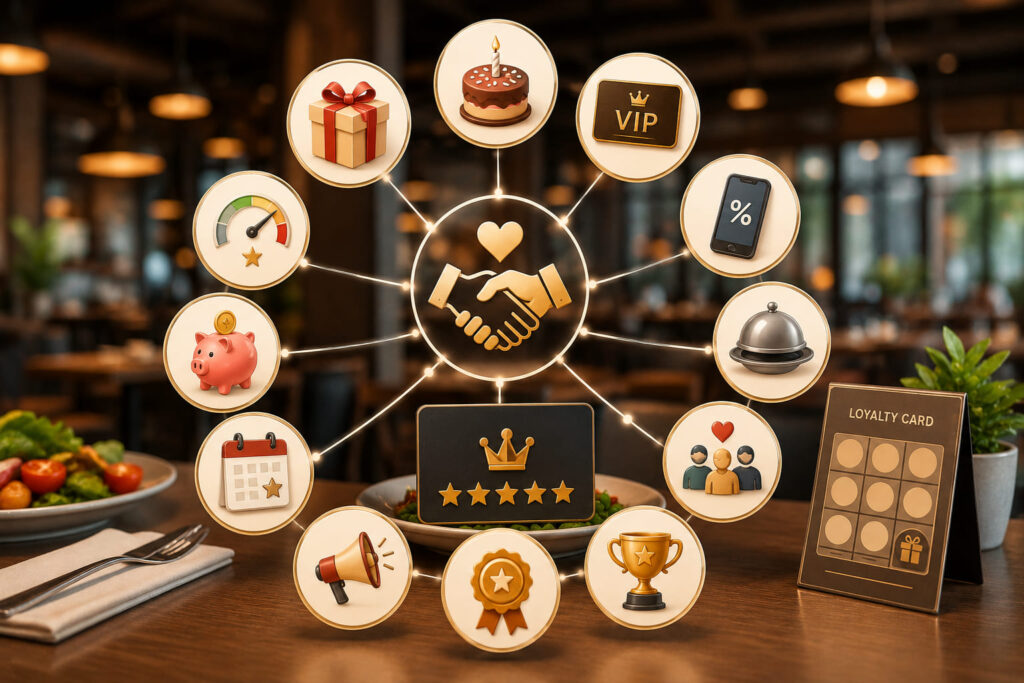
A points-based rewards program is one of the easiest ways to encourage repeat visits. Give customers points on every purchase, such as 1 point for every $1 spent, then let them redeem points for free drinks, appetizers, or discounts. Keep the first reward within easy reach so customers stay motivated, and always show their current point balance through your app, loyalty account, or digital receipt to remind them they’re making progress.
Buy X, Get 1 Free
This idea works best for products customers buy regularly, such as coffee, lunch specials, or desserts. Set a clear goal like Buy 9, Get the 10th Free so customers know exactly what they’re working toward. Digital punch cards are more effective than paper ones because customers can track their progress and are less likely to forget about the reward.
Spend-Based Rewards
Instead of rewarding every visit, reward customers after they reach a spending milestone. For example, spending $100 could unlock a $10 reward or a complimentary menu item. This approach naturally increases average order value, especially when customers add another item to qualify for the next reward.
Tiered Membership Program
Create membership levels such as Silver, Gold, and VIP, with each tier offering better benefits than the last. Higher tiers might include bonus points, birthday rewards, priority reservations, or exclusive menu items. Keep the requirements realistic so customers feel each level is achievable and have a reason to continue choosing your restaurant.
Birthday Rewards
A birthday reward gives customers a personal reason to visit your restaurant during their birthday month. Instead of offering a generic discount, provide a free dessert, appetizer, or a complimentary entrée with a minimum purchase. Setting an expiration date such as 7 to 30 days creates urgency while giving customers enough flexibility to redeem the offer.
Anniversary Rewards
Celebrate the anniversary of a customer’s first visit or loyalty program sign-up with an exclusive reward. A personalized offer, such as bonus points, a discount, or a free menu item, reminds customers of their relationship with your restaurant and encourages them to return for another memorable dining experience.
Referral Rewards
Referral rewards turn loyal customers into advocates for your restaurant. Offer a reward only after the referred friend completes their first purchase, and give both customers an incentive, such as a discount, bonus points, or a free menu item. Rewarding both sides makes referrals more appealing and increases the likelihood that new customers will become repeat guests.
First Visit Rewards
A first visit reward is an effective way to turn new customers into repeat guests. Instead of offering a large discount upfront, give them a reason to come back such as 10% off their next order, bonus loyalty points, or a free appetizer on their second visit. This approach encourages a follow-up visit rather than rewarding a one-time purchase. Make it easy to redeem within 14–30 days to create a sense of urgency while the dining experience is still fresh in the customer’s mind.
Welcome Bonus
A welcome bonus gives customers an immediate reason to join your loyalty program. Reward new members as soon as they sign up with bonus points, a free drink, a complimentary dessert, or an exclusive discount on their next purchase. Keep the reward valuable enough to encourage enrollment but tie it to a future order whenever possible. This not only increases loyalty program sign-ups but also creates an incentive for customers to return soon after joining.
VIP Member Perks
VIP member perks reward your most loyal customers with benefits they can’t get elsewhere. Instead of offering bigger discounts, focus on exclusive experiences such as priority reservations, complimentary upgrades, early access to new menu items, members-only events, or surprise gifts. Keeping these perks exclusive makes customers feel valued and gives them a strong reason to continue spending enough to maintain their VIP status.
Exclusive Menu Items
Give loyalty members access to menu items that regular customers can’t order. Exclusive offerings make the program feel like a real privilege instead of just another discount.
You don’t need to create an entirely new menu. Start with ideas like:
- A secret menu item available only to loyalty members.
- Early access to new seasonal dishes before the public launch.
- Members-only combo meals with better value than the regular menu.
- Limited-edition desserts or drinks available for a short time.
- Chef’s specials offered exclusively to VIP or top-tier members.
Members-Only Discounts
Offer discounts that are available only to loyalty members, giving customers a clear reason to join your program instead of waiting for public promotions. Exclusive savings also help increase repeat visits without training every customer to expect constant discounts.
Popular ways to use members-only discounts include:
- 10–20% off selected menu items or orders.
- Exclusive lunch or weekday deals for loyalty members.
- Monthly member-only promo codes through your app or email.
- Discounts on new menu items to encourage customers to try them first.
- Limited-time offers available only during members-only events.
Early Access to New Menu Items
Give loyalty members the chance to try new menu items before they’re available to the public. Early access makes customers feel like insiders while helping you generate excitement around upcoming launches.
You can offer early access in several ways:
- A 3–7 day preview before the official launch.
- Member-only tasting events for seasonal or limited-time dishes.
- Exclusive pre-orders for holiday specials or special menus.
- Bonus points for ordering newly released items during the early access period.
Free Dessert Rewards
A free dessert reward is a simple way to create a memorable customer experience without significantly increasing your costs. Small treats often have a high perceived value, making customers feel appreciated while encouraging them to return.
You can use dessert rewards in different ways:
- A free dessert after a certain number of visits or purchases.
- A complimentary dessert on a customer’s birthday.
- A free upgrade to a premium dessert for VIP members.
- A limited-time dessert reward to promote seasonal menu items.
Free Drink Rewards
Free drink rewards are one of the easiest loyalty incentives to implement because they are affordable, easy to understand, and highly appealing to customers. A complimentary coffee, beverage, or specialty drink can create an immediate reason for guests to return.
Some practical ways to use drink rewards include:
- A free drink after a certain number of visits, such as every 5 or 10 purchases.
- A welcome drink for new loyalty members.
- A birthday beverage reward to create a personalized experience.
- A free upgrade to a premium drink size or specialty option for loyal customers.
Digital Stamp Card
A digital stamp card replaces traditional paper punch cards with a more convenient way for customers to track rewards. Customers earn a digital stamp after each qualifying purchase and receive a reward after collecting enough stamps.
Simple ways to set up a digital stamp card include:
- Buy 9, Get 1 Free for coffee, drinks, or popular menu items.
- Visit-based rewards that give a stamp for each restaurant visit.
- Bonus stamps during slow hours or special promotions.
- Automatic tracking through a loyalty app, QR code, or digital wallet.
Subscription Meal Program
Turn occasional customers into predictable revenue by offering a monthly meal subscription. Instead of waiting for customers to decide when to return, you create a reason for them to visit regularly.
A simple subscription model could look like:
- $29/month for 5 coffees or drinks
- $49/month for weekday lunch meals
- Unlimited add-ons or upgrades for premium members
- Monthly credits that customers can use on selected menu items
The key is to make the subscription feel valuable without reducing your profit margin. Focus on products with strong margins, set reasonable usage limits, and add exclusive benefits such as priority ordering or member-only offers.
Coffee or Beverage Club
A coffee or beverage club is a simple loyalty model designed to increase visit frequency for drinks customers already buy regularly. Instead of rewarding occasional purchases, it encourages customers to build a daily or weekly habit around your restaurant.
You can create a beverage club with ideas like:
- Monthly drink memberships that include a set number of coffees or beverages.
- Buy a certain number of drinks and unlock a free upgrade.
- Exclusive member pricing on coffee, smoothies, or specialty drinks.
- Double rewards during slower hours to increase traffic at specific times.
Family Rewards Program
A family rewards program encourages customers to bring more people to your restaurant by rewarding group visits instead of individual purchases. This is especially effective for restaurants where families or groups often order multiple meals in one visit.
You can structure the program with ideas like:
- Extra points or rewards for family-sized orders.
- Free kids’ meals or desserts after reaching a spending milestone.
- Weekend family deals exclusively for loyalty members.
- Rewards that allow members to share benefits with family accounts.
Happy Hour Loyalty Rewards
Happy hour loyalty rewards help restaurants increase traffic during slower periods by giving loyal customers an extra reason to visit at specific times. Instead of offering discounts to everyone, you make the benefit exclusive to loyalty members.
Practical ways to use this idea include:
- Double points during off-peak hours to encourage visits when tables are available.
- Members-only drink or appetizer deals during happy hour.
- Early access to happy hour promotions for loyalty members.
- Bonus rewards for weekday visits to balance customer traffic throughout the week.
Gamified Challenges
Gamified challenges make a loyalty program more engaging by turning regular purchases into small goals customers want to complete. Instead of simply collecting points, customers have a reason to explore your menu and visit more often.
You can create challenges such as:
- Visit 5 times this month and unlock a bonus reward.
- Try 3 different menu items to earn extra points.
- Complete a seasonal challenge, such as trying limited-time dishes.
- Earn badges or exclusive rewards for reaching milestones.
Seasonal Loyalty Campaigns
Seasonal loyalty campaigns give customers a timely reason to return by connecting rewards with holidays, events, or limited-time menu items. These campaigns work well because customers naturally look for seasonal experiences and new things to try.
You can create campaigns around ideas such as:
- Holiday rewards, like a free dessert during the holiday season.
- Limited-time menu challenges, encouraging members to try seasonal dishes or drinks.
- Summer or winter promotions with bonus points for specific items.
- Special event rewards for occasions like Valentine’s Day, Mother’s Day, or local festivals.
Double Points Days
Double points days encourage customers to visit your restaurant by offering extra rewards for purchases made during a specific period. This simple promotion creates urgency without requiring permanent discounts.
You can use double points strategically by:
- Running promotions on slower weekdays to increase traffic during quiet hours.
- Celebrating special occasions with bonus points for loyalty members.
- Launching double points during new menu releases to encourage product trials.
- Offering limited-time events such as “Double Points Every Tuesday.”
Social Media Check-In Rewards
Turn customer visits into free exposure by rewarding guests for sharing their restaurant experience online. A social media check-in reward encourages customers to tag your location, post photos, or mention your brand in exchange for a small incentive.
Simple ways to apply this idea include:
- Free drinks or small discounts for customers who check in on Facebook or Instagram.
- Bonus loyalty points for posting a photo and tagging your restaurant.
- Monthly social media contests where members can win free meals or exclusive rewards.
- Customer photo features on your restaurant’s social pages with permission.
Surprise & Delight Rewards
Surprise and delight rewards create memorable moments by giving customers unexpected benefits at the right time. Unlike standard loyalty rewards, these offers are not something customers earn—they are small surprises that make them feel appreciated.
You can use ideas like:
- A surprise free dessert or drink for a loyal customer.
- Bonus points after a customer’s first few visits.
- A personalized reward based on favorite menu items.
- An unexpected upgrade or complimentary add-on during special occasions.
Learn more:
Google Ads for Restaurants: More Reservations & Sales
How to Build a Memorable Restaurant Brand That Attracts More Customers
Facebook Ads for Restaurants: Get More Customers
35 Restaurant Marketing Ideas Every Restaurant Owner Should Try
Common Mistakes to Avoid When Creating a Restaurant Loyalty Program
A restaurant loyalty program only works when customers understand it, use it, and see real value from it. Many programs fail not because the idea is wrong, but because the rewards are too complicated, difficult to access, or not profitable for the business.
Avoid these common mistakes:
- Making rewards too difficult to earn
If customers need to spend too much before receiving their first reward, they will lose interest. Set milestones that feel achievable so customers stay motivated. - Offering rewards that reduce profit margins
A loyalty program should increase repeat business, not create unnecessary losses. Choose rewards with strong perceived value but manageable costs, such as drinks, desserts, upgrades, or exclusive perks. - Complicating the sign-up process
Customers should be able to join in seconds. Avoid long forms or too many steps that create friction at the point of purchase. - Failing to promote the program
Even the best loyalty program will fail if customers don’t know it exists. Promote it through receipts, email, social media, in-store signage, and staff recommendations. - Not tracking performance
Monitor important metrics such as member sign-ups, repeat visits, redemption rates, and average order value. This data helps you understand what works and improve the program over time.
Conclusion
A successful restaurant loyalty program helps turn first-time guests into repeat customers by creating meaningful rewards and better customer experiences. Whether you choose points, memberships, exclusive offers, or personalized rewards, the most important factor is making the program simple, valuable, and easy to use.
If you want to increase customer loyalty and grow your restaurant brand, Good Review Service offers marketing solutions designed to help restaurants improve customer engagement, strengthen online reputation, and attract more returning customers.