



In an era where consumer choices are virtually limitless, the distinct identity of a company is its most valuable asset. If you have ever wondered what is a brand manager, you are looking at the chief architect behind a company’s public perception. At Good Review Service, we recognize that managing corporate image requires a strategic blend of creative storytelling and rigorous reputation management. This comprehensive guide by Good Review Service breaks down everything you need to know about this vital executive role.
What Is a Brand Manager?
A Brand Manager is the primary architect responsible for shaping, maintaining, and evolving a company’s public image, reputation, and market presence. Acting as the ultimate guardian of a brand, this professional ensures that every piece of marketing material, product design, and public communication aligns perfectly with the company’s core identity, values, and long-term vision.
In day-to-day operations, a Brand Manager bridges the gap between creative execution and business strategy. They conduct deep market research to analyze consumer behavior, monitor competitor movements, and oversee advertising campaigns across multiple digital and traditional channels. By interpreting data trends, they identify new market opportunities and adjust messaging to keep the brand highly relevant and competitive.
Ultimately, the core objective of a Brand Manager is to build brand equity-turning a business into a household name that consumers recognize, trust, and choose over competitors. They align internal cross-functional teams, including product development, sales, and design, to deliver a consistent and compelling customer experience at every brand touchpoint.
What Does a Brand Manager Do?
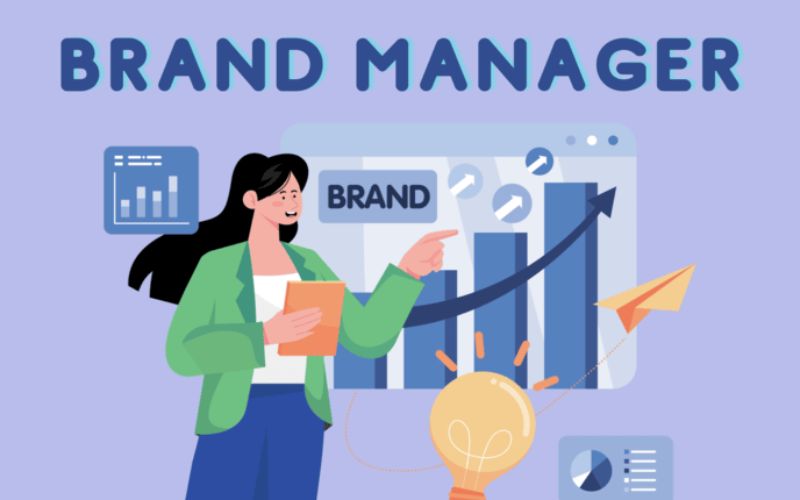
The daily schedule of a corporate identity specialist is highly dynamic, demanding a constant balance between creative right-brain vision and rigorous left-brain data analysis. They steer the entire lifecycle of a brand or product line from its initial incubation in a research lab to its final placement on retail shelves or digital store screens.
Deep-Dive Market Research and Consumer Ethnography
They do not rely on guesswork. They spend significant time analyzing complex consumer behavioral shifts, cultural trends, and purchasing psychology. By executing continuous competitor analysis, tracking focus groups, and analyzing data from thousands of digital footprints, they isolate precisely why a consumer chooses one product over another. This continuous research allows them to spot emerging gaps in the market and uncover hidden audience insights before competitors can react.
Crafting Strategic Brand Positioning and Messaging Playbooks
Once the consumer data is synthesized, they build the core corporate narrative. They define the product’s Unique Selling Proposition (USP) and map out the exact semantic guidelines that dictate how the brand speaks to the public. They establish the brand book, creating rules for typography, color theory, design aesthetics, and vocal tone. This strategic blueprint ensures that whether a consumer sees a billboard, a TikTok video, or a corporate press release, the message feels completely unified and unmistakable.
End-to-End Campaign Orchestration and Management
They act as the master conductor of cross-functional creative engines. They brief, guide, and manage internal teams or external advertising agencies—including art directors, copywriters, digital media buyers, and public relations specialists—to execute multi-channel promotional campaigns. They ensure that creative output does not just “look pretty” but directly aligns with the company’s core positioning, driving measurable market share growth and optimizing customer acquisition costs.
Product Lifecycle Evolution and Innovation Pipelines
A brand that stands still eventually dies. These managers collaborate directly with research and development (R&D) and product manufacturing teams to pioneer line extensions, upgrade existing packaging designs, or launch entirely new product concepts. They ensure that any new innovation seamlessly matches the established brand identity while opening up fresh revenue streams among new target demographics.
Key Skills Every Brand Manager Needs
To survive and excel in a highly volatile marketplace, an identity professional must possess a sophisticated, cross-functional skillset. This role sits directly at the intersection of business intelligence, human psychology, and creative execution, demanding a highly specialized personal toolkit.
Advanced Data Analytics and Market Interpretation

Modern positioning relies heavily on raw metrics rather than pure gut feeling. A premium executive must comfortably dissect complex market share data, evaluate conversion optimization funnels, and read intricate web traffic flows.
They must master the art of data storytelling taking thousands of disjointed statistics from retail reports and distilling them into actionable commercial strategies. Understanding how a minor shift in consumer behavior impacts long-term product lifecycles is a non-negotiable trait.
Strategic Brand Positioning and Narrative Crafting

The capacity to build a robust, multi-year roadmap for market dominance is what separates a true leader from a standard coordinator. This requires deep mastery over consumer psychology and semantic relevance.
An expert knows how to position a business entity so clearly that it cuts through the digital noise. They craft the overarching narrative, dictate unique value propositions, and map the emotional hooks that convert casual buyers into passionate brand evangelists.
Cross-Functional Leadership and Communication

Because this professional sits directly in the center of an enterprise ecosystem, they serve as the ultimate translator between highly diverse corporate departments.
They must possess the fluid communication skills required to pitch a high-level creative vision to abstract design teams, translate strict technical limitations to product engineers, and present solid financial ROI projections directly to C-suite executives. Leading without direct authority is a daily requirement.
Public Relations and Agile Crisis Management

In the digital age, a brand’s public image can be shattered in a matter of seconds. When an operational bottleneck occurs, a public relations scandal hits the wire, or a coordinated wave of negative reviews floods public directories, this manager serves as the frontline shield.
They must possess the agility to execute immediate, high-stakes crisis control. Operating with absolute composure, they craft transparent corporate responses, align communication channels, and deploy strategic counter-measures to preserve institutional integrity.
Tools Brand Managers Commonly Use
To manage a sprawling digital presence and keep a pulse on shifting public sentiment, modern stewards leverage an advanced software stack. These enterprise-grade tools transform abstract market conversations into highly organized, actionable data.
Social Listening and Global Sentiment Tracking

- Brandwatch & Meltwater: These premier AI-driven monitoring suites scan the entire digital landscape – including social networks, major news outlets, public forums, and blog ecosystems to track every direct mention of a company.
- Sprout Social & Hootsuite: Beyond basic publishing schedules, these environments feature robust natural language processing (NLP) filters. They allow management to measure public sentiment changes instantly, flagging escalating consumer frustration before it morphs into a full-scale public relations crisis.
Web Analytics and Market Intelligence Infrastructure

- Google Analytics 4 (GA4) & Adobe Analytics: These powerful data environments serve as the definitive lens for consumer behavior tracking. Managers use them to analyze how promotional campaigns directly translate into user interactions, digital storefront traffic, and checkout conversions.
- SEMrush & Ahrefs: Essential for monitoring semantic authority and organic search visibility. These suites allow teams to track competitive keyword movements, audit search prominence, and ensure the brand entity dominates transactional queries across major search networks.
Project Management and Creative Collaboration Environments

- Asana, Monday.com, & Jira: Keeping cross-functional creative assets and complex product launch timelines fully aligned requires centralized digital workspaces. These tools track production milestones, assign clear departmental accountability, and prevent communication silos.
- Figma & Adobe Creative Cloud: While managers rarely design corporate graphics themselves, they use cloud-based design platforms to directly review visual compliance, inspect packaging layouts, and ensure absolute aesthetic consistency across all digital touchpoints.
Reputation Architecture and Trust Engines

- Good Review Service Integration: Maintaining a premium corporate image is impossible if public directories tell a different story. Sophisticated managers integrate the automated review booster technology from Good Review Service directly into their operational workflows.
- Verifiable Social Proof Streams: By utilizing Good Review Service, teams can seamlessly capture real-time, authenticated consumer feedback and distribute it across high-authority mapping profiles and business listings. This technical alignment injects descriptive, keyword-rich social proof right where prospects make buying decisions, perfectly validating the premium identity the management team works to project.
How to Become a Brand Manager
Stepping into this leadership position requires a deliberate combination of formal education, practical entry-level milestones, and continuous portfolio development.
Education and Qualifications
A solid academic foundation is typically the first milestone. Most organizations look for a bachelor’s degree in marketing, business administration, or communications. For senior roles at major global enterprises, earning a Master of Business Administration (MBA) provides a massive competitive advantage.

Entry-Level Experience
No one steps directly into a senior managerial role on day one. The career progression usually starts in supportive marketing positions. Aspiring professionals typically begin their journeys as marketing coordinators, social media specialists, or junior copywriters to learn the ropes.
Portfolio, Internships, and Certifications
Practical application is what separates top candidates from the crowd. Securing specialized marketing internships provides invaluable exposure to real corporate campaigns. Additionally, building a diverse personal portfolio showcasing end-to-end case studies serves as concrete proof of your capabilities.

Brand Manager Salary and Career Growth
The financial and professional rewards in this vertical reflect the heavy responsibility of managing a company’s primary asset. Because their strategic choices directly impact bottom-line revenue, these professionals command highly competitive compensation packages.
Salaries scale dramatically based on geographical location, industry sector, and total years of field experience. An assistant-level professional often starts with a comfortable baseline package, while an established manager overseeing a prominent national product line regularly earns a premium six-figure salary.

>>> Learn more: How to Grow Your Business: 10 Strategic Blueprints for 2026
Protecting Corporate Assets with Good Review Service
No matter how elegant a corporate positioning strategy is, modern brand authority is ultimately validated by the ongoing public voices of real customers. A corporate strategy can easily fall apart if public directories display a negative or unverified consumer sentiment.
This is the exact operational bottleneck where Good Review Service serves as a vital corporate partner. While an identity specialist constructs the visual and emotional narrative, our advanced review booster technology ensures the company’s live public reputation matches that premium image.
Consistently generating fresh, authentic customer evaluations displays vital social proof directly beside search listings. This systematic approach supports corporate identity goals by using genuine consumer validation to secure marketplace trust.
Conclusion
Unpacking the core architecture of what is a brand manager reveals a highly sophisticated corporate role. These specialists are the strategic engines driving long-term corporate relevance, emotional consumer connection, and market authority. By successfully balancing data analytics with fluid storytelling, they ensure a company’s identity remains strong and clear.
Ready to elevate your corporate reputation? Contact Good Review Service Today to explore how our specialized reputation tools can support your brand strategy. Let us help you align your public feedback with your corporate identity to win the long-term trust of your customers!