



In the modern culinary landscape, your digital presence is the new “front door” of your establishment. This guide by Good Review Service explores the intricate strategies of online reputation management for restaurants, ensuring your brand remains the top choice for diners in 2026. By mastering online reputation management for restaurants, you can safeguard your business against negative sentiment while amplifying the voices of your most loyal customers. Good Review Service provides the tools and expertise necessary to navigate the complex world of digital feedback, turning every star rating into a growth opportunity for your brand.
What Is Online Reputation Management for Restaurants?
Online reputation management for restaurants is the proactive process of monitoring, influencing, and managing how your business is perceived across the internet. It goes beyond simply reading comments; it involves a strategic approach to restaurant review monitoring, responding to feedback, and using reputation management software for restaurants to analyze data trends.
In essence, it is the digital version of “tableside manner.” Just as a manager would visit a table to ensure a guest is happy, e reputation restaurant strategies ensure that the conversation happening online is balanced and positive. With the help of Good Review Service, owners can streamline this process, ensuring no comment goes unnoticed and no guest feels ignored.
Why Restaurant Reputation Matters on Google?
When a hungry diner searches for “best steakhouse near me,” Google’s algorithm looks for more than just proximity. It prioritizes restaurant reputation. Google tracks the frequency, recency, and quality of your reviews to determine your ranking in the “Local 3-Pack.”
A strong restaurant reputation on Google leads to:
- Higher Visibility: Better rankings mean more clicks to your website.
- Increased Trust: 94% of diners say online reviews influence their dining decisions.
- Lower Customer Acquisition Costs: It is much cheaper to attract a guest who already trusts your brand through high ratings.
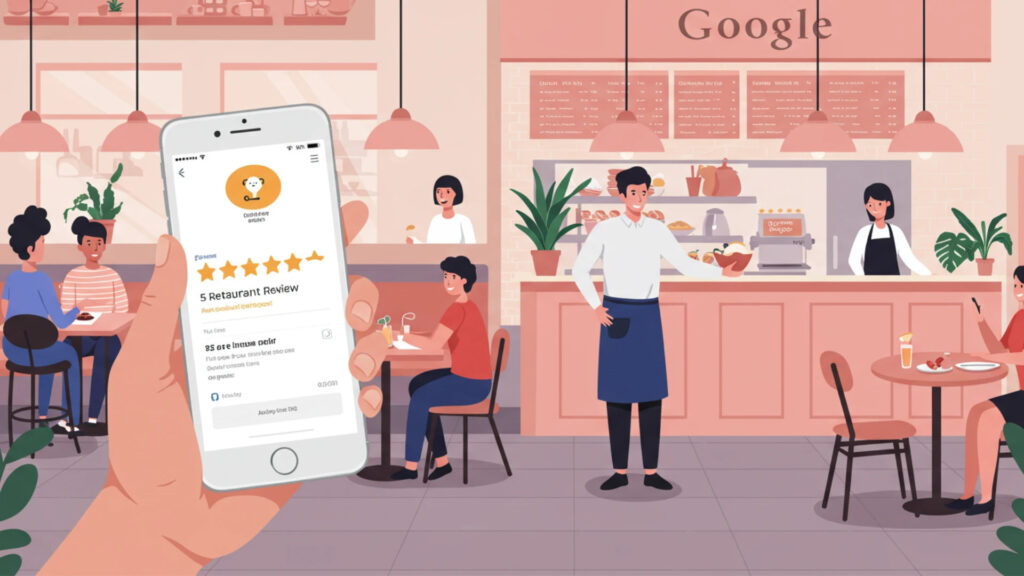
How to Manage Restaurant Online Reputation Effectively?
Online reputation can directly influence whether customers choose your restaurant or your competitors. In 2026, most diners check Google reviews, social media comments, food delivery ratings, and local listings before deciding where to eat.
A strong online reputation helps restaurants:
- Build customer trust
- Improve local SEO rankings
- Increase reservations and walk-ins
- Strengthen brand credibility
- Encourage repeat customers
- Generate word-of-mouth marketing
On the other hand, poor reputation management can damage customer confidence very quickly — especially when negative reviews remain unanswered or customer complaints spread across social media.
Below are some of the most effective restaurant online reputation management strategies.
Collect More Positive Reviews Consistently

One of the best ways to protect your restaurant reputation is by consistently generating positive customer reviews. A steady flow of authentic reviews improves both customer trust and local search visibility.
Many restaurants make the mistake of only focusing on damage control after receiving negative feedback. However, proactive review generation is much more effective long term.
Why Positive Reviews Matter
Positive reviews influence:
- Google Maps rankings
- Customer trust
- Reservation decisions
- Delivery platform visibility
- Click-through rates from local search
Restaurants with strong ratings often receive significantly more traffic compared to competitors with limited or outdated reviews.
Effective Ways to Get More Restaurant Reviews
Ask Customers at the Right Moment
The best time to request a review is immediately after a positive dining experience.
Train staff to politely ask satisfied customers to leave feedback.
Use QR Codes on Tables or Receipts
Add QR codes that link directly to your review page.
This reduces friction and increases review completion rates.
Send Follow-Up Messages
Restaurants using online reservations or loyalty systems can send:
- Thank-you emails
- SMS follow-ups
- Feedback requests
within 24 hours after the visit.
Encourage User-Generated Content
Customers who share food photos on social media are often more likely to leave positive reviews as well.
Create visually appealing dishes and restaurant interiors that encourage sharing.
Avoid Fake Reviews
Never purchase reviews or use fake accounts. Review platforms increasingly detect suspicious behavior, which can damage your reputation permanently.
Reputation Strategy Tip
Focus on consistency rather than short-term spikes. A steady stream of new reviews looks more trustworthy than suddenly receiving dozens of reviews at once.
Monitor Reviews Across All Platforms
Modern restaurant reputation management goes far beyond Google reviews alone.
Customers now leave feedback across many different platforms, including:
- Yelp
- TripAdvisor
- OpenTable
- Uber Eats
- DoorDash
- GrabFood
- Instagram comments
- TikTok videos
Ignoring smaller platforms can allow negative feedback to spread unnoticed.
Why Review Monitoring Matters
Monitoring reviews helps restaurants:
- Detect customer issues early
- Identify recurring complaints
- Protect brand reputation
- Improve customer experience
- Respond faster to negative situations
Branding Strategy Ideas
Create a Centralized Monitoring System
Use reputation management tools to track mentions and reviews across multiple platforms in one dashboard.
Assign Responsibility to Specific Staff
Choose a team member responsible for monitoring:
- New reviews
- Social mentions
- Customer complaints
- Delivery app ratings
Consistency is important.
Monitor Social Media Conversations
Many customers complain publicly on social media instead of writing official reviews.
Track mentions on:
- TikTok
- X (Twitter)
Watch for Reputation Trends
Pay attention to patterns such as:
- Slow service complaints
- Food quality concerns
- Delivery issues
- Staff behavior problems
Repeated complaints usually indicate operational issues that need improvement.
Reputation Strategy Tip
Responding early to customer dissatisfaction can prevent larger reputation problems later.
Respond to Reviews Professionally and Quickly
How your restaurant responds to reviews often matters just as much as the review itself.
Customers pay close attention to whether businesses:
- Acknowledge feedback
- Take responsibility
- Remain professional
- Handle criticism respectfully
Why Review Responses Matter
Professional responses help restaurants:
- Build trust
- Show customer care
- Improve public perception
- Reduce negative impact from complaints
- Encourage future customer engagement
Best Practices for Responding to Positive Reviews
Personalize Responses
Avoid generic replies like:
“Thanks for your review.”
Instead, mention specific details from the customer’s experience.
Example:
“We’re glad you enjoyed the seafood pasta and cocktails. Thank you for visiting us.”
Reinforce Brand Personality
Your response tone should match your restaurant identity.
For example:
- Luxury restaurants should sound polished and refined
- Casual cafés can sound warm and conversational
Encourage Repeat Visits
Invite customers back naturally.
Example:
“We hope to welcome you again for brunch soon.”
Best Practices for Responding to Negative Reviews
Respond Quickly
Fast responses show professionalism and attentiveness.
Ideally, respond within 24–48 hours.
Stay Calm and Professional
Never argue emotionally with customers online.
Even if the complaint feels unfair, future customers are watching how you respond.
Acknowledge the Experience
Example:
“We’re sorry your experience did not meet expectations.”
Offer Solutions
Whenever appropriate:
- Invite the customer back
- Offer direct contact information
- Request offline discussion
- Explain improvement steps
Avoid Defensive Language
Defensive responses often damage reputation more than the original review itself.
Reputation Strategy Tip
Think of review responses as public customer service marketing, not private conversations.
Turn Negative Feedback into Improvements
Negative reviews can actually become valuable business insights when handled properly.
Restaurants that improve based on customer feedback often strengthen both operations and reputation over time.
Why This Strategy Matters
Customer complaints frequently reveal problems related to:
- Service speed
- Food consistency
- Staff communication
- Reservation management
- Delivery quality
- Cleanliness
Ignoring feedback allows these issues to continue damaging the customer experience.
Branding Strategy Ideas
Categorize Feedback Patterns
Track recurring issues in categories such as:
- Service
- Food quality
- Pricing
- Cleanliness
- Wait times
Use Feedback in Team Meetings
Review customer comments regularly with staff.
Discuss:
- Common complaints
- Operational improvements
- Hospitality training opportunities
Improve Processes Based on Real Customer Experience
Examples include:
- Faster table management
- Better delivery packaging
- Improved order accuracy
- Additional staff training
Follow Up Publicly on Improvements
When appropriate, let customers know changes have been made.
Example:
“We’ve recently updated our reservation process to reduce wait times.”
This demonstrates accountability and professionalism.
Reputation Strategy Tip
Customers are often surprisingly forgiving when restaurants acknowledge mistakes honestly and show visible effort to improve.
Learn more: Loyalty programs that generate repeat reviews
Where Your Restaurant Reputation Is Built Online
Restaurant reputation is no longer shaped only by food quality or in-person dining experiences. In 2026, your online presence heavily influences how customers perceive your restaurant before they ever make a reservation or place an order.
From Google reviews to social media mentions, customers are constantly sharing opinions about restaurants across multiple platforms. Managing these channels effectively is a critical part of restaurant reputation management.
Below are the most important platforms where your restaurant reputation is built online.
Google Business Profile Reviews
Google Business Profile is one of the most important platforms for restaurant online reputation management. For many customers, your Google listing is the very first interaction they have with your brand.
When someone searches for your restaurant, they immediately see:
- Star ratings
- Customer reviews
- Photos
- Business hours
- Menu links
- Location information
Because Google reviews appear directly in search results and Google Maps, they strongly influence customer trust and local SEO visibility.
Why Google Reviews Matter
A strong Google rating can help restaurants:
- Increase reservations
- Improve local search rankings
- Attract tourists and nearby customers
- Build instant credibility
- Improve click-through rates
Restaurants with frequent positive reviews often perform much better in Google Maps compared to competitors with outdated or inconsistent feedback.
>>> Learn more: How to Rank Higher on Google Maps: 10 Blueprints in 2026
Yelp and TripAdvisor
Although platforms like Yelp and TripAdvisor may not dominate local discovery the way they once did, they still remain highly influential for tourists, travelers, food enthusiasts, and review-focused diners.
These platforms are especially important for restaurants located in:
- Tourist destinations
- Major cities
- Hospitality districts
- Vacation areas
Many travelers rely heavily on Yelp and TripAdvisor before choosing where to eat.
Why Yelp and TripAdvisor Still Matter
These platforms provide:
- Community-driven trust
- Long-form customer experiences
- Detailed food and service feedback
- Restaurant comparisons
- Traveler recommendations
A strong presence on these review sites can improve both credibility and customer confidence.
Delivery Apps
Food delivery platforms now play a major role in restaurant reputation management. Apps like Uber Eats, DoorDash, and Grubhub have become their own review ecosystems with internal rating systems that directly affect visibility.
Customers often decide where to order based on:
- Star ratings
- Delivery reviews
- Food photos
- Estimated delivery times
Why Delivery Reputation Matters
Poor delivery ratings can reduce:
- App visibility
- Conversion rates
- Repeat orders
- Overall revenue
Many delivery platforms prioritize restaurants with stronger ratings and better customer satisfaction scores.
Social Media Comments and Mentions
Social media platforms like Instagram, TikTok, and Facebook have become modern word-of-mouth marketing channels for restaurants.
Customers constantly share:
- Food photos
- Dining experiences
- Tagged stories
- Reviews in captions
- Video reactions
- Recommendations to friends
Unlike traditional review platforms, social media conversations happen in real time and spread quickly.
Why Social Media Reputation Matters
Strong social engagement helps restaurants:
- Build brand awareness
- Increase customer trust
- Generate viral exposure
- Strengthen community engagement
- Encourage user-generated content
At the same time, negative experiences can spread rapidly if left unaddressed.
Best Practices for Restaurant Reputation Management
Successful restaurant reputation management requires consistency and daily attention. It should be treated as an ongoing operational responsibility, similar to inventory management or customer service.
Below are some of the most effective best practices for protecting and improving restaurant reputation online.
Respond to Every Review Consistently
Many restaurants only respond to highly positive or highly negative reviews. However, consistent engagement across all reviews creates a much stronger impression.
Why This Matters
Responding to reviews shows customers that:
- You value feedback
- You care about guest experiences
- You actively manage customer relationships
- You are attentive and professional
Even responding to neutral reviews can improve customer perception.
Best Practices
- Thank customers personally
- Mention specific details when possible
- Avoid generic copy-and-paste responses
- Keep responses timely and professional
Consistency builds long-term trust.
Keep Messaging Professional and Polite
One negative interaction online can damage customer perception quickly.
Even when customers are unfair or emotional, restaurants should always maintain professionalism.
Why Professional Responses Matter
Future customers often judge your restaurant based on how you respond to criticism — not just the complaint itself.
Best Practices
Stay Calm
Never respond emotionally or defensively.
Acknowledge the Experience
Even if you disagree with the review, acknowledge the customer’s frustration respectfully.
Move Conversations Offline
Offer direct contact information when discussing sensitive situations.
Focus on Solutions
Customers appreciate accountability and willingness to improve.
Professional communication protects your restaurant’s public image.
Maintain Consistency Across Platforms
Your restaurant should sound and feel consistent across every platform.
Whether customers interact with your restaurant on:
- TikTok
- Yelp
- Delivery apps
the brand personality should remain recognizable.
Track Rating Trends Over Time
Reputation management should focus on long-term patterns, not just individual reviews.
Tracking trends helps restaurants identify operational strengths and weaknesses more effectively.
Why Trend Analysis Matters
Monitoring rating trends can reveal:
- Declining service quality
- Staffing problems
- Delivery issues
- Seasonal performance changes
- Customer experience inconsistencies
Key Metrics to Monitor
Track:
- Average star rating
- Review volume
- Review sentiment
- Response times
- Delivery ratings
- Weekday vs. weekend performance
Use Reputation Data to Improve Operations
For example:
- Low weekend ratings may indicate understaffing
- Delivery complaints may reveal packaging issues
- Repeated service complaints may require additional training
The most successful restaurants use customer feedback as operational intelligence rather than simply treating reviews as marketing content.
>>> Learn more: 21 Restaurant Marketing Ideas to Bring in More Guests
Common Mistakes in Restaurant Reputation Management
Ignoring negative reviews
Ignoring a problem doesn’t make it go away; it makes it look like you don’t care. A 1-star review with no response is a red flag to potential diners.
Not responding to customers
Engagement is the key to loyalty. If a customer takes the time to write a good review for a restaurant example, the least you can do is say thank you.
Inconsistent business information
If your hours are wrong on Yelp but right on Google, you are frustrating your guests. Inconsistency kills your restaurant reputation before the guest even tastes your food.
Only focusing on getting reviews, not experience
Reviews are the result of a great experience. If you use reputation management software for restaurants to get 5-star ratings but the food is mediocre, your reputation will eventually collapse under the weight of reality.
Conclusion
Mastering online reputation management for restaurants is a marathon, not a sprint. It requires a dedicated commitment to quality, a willingness to listen to criticism, and the right tools—like restaurant reputation management software—to scale your efforts. By partnering with Good Review Service, you can ensure that your brand’s digital footprint is as impressive as your culinary creations. From restaurant review monitoring to professional response management, we provide the comprehensive support needed to make your establishment a local icon.
In the competitive world of 2026, don’t leave your success to the whims of an algorithm. Take control of your online reputation management for restaurants today and watch your tables fill with happy, loyal guests.
Ready to Transform Your Online Image?
At Good Review Service, we understand that you’re busy running a kitchen, not a digital marketing agency. That’s why we offer the industry’s leading restaurant reputation management software to do the heavy lifting for you.
- Free Reputation Audit: Find out exactly where your restaurant stands online.
- Review Automation: Let our restaurant review management software collect 5-star ratings for you while you sleep.
- Crisis Management: Protect your brand from unfair attacks and fake reviews.