

G
G
G

Internet Marketing for Small Businesses: Practical Strategies That Drive Growth in 2026

Navigating the modern commercial landscape requires independent companies to establish a highly strategic, visible online presence to survive. Implementing a structured framework for internet marketing for small businesses allows a brand to capture high-intent buyers, nurture leads automatically, and build long-term market authority.  This definitive guide by Good Review Service lays out the exact technical steps and structural optimizations required to build a highly profitable growth engine without draining your operational capital.

Why Internet Marketing Is Critical for Small Businesses Today

Traditional outbound marketing channels like print directories, physical flyers, and local billboards have become incredibly expensive, static, and difficult to track. Today’s consumers look directly to search networks, social media applications, and AI answer engines to make every single buying decision in their neighborhood.

Implementing modern digital marketing solutions for local businesses offers independent brands a perfectly level playing field. By targeting your campaigns around specific regional locations and explicit user intents, a small business entity can outmaneuver massive national corporations. This targeted approach allows you to capture hot local leads at a fraction of the cost, making your marketing spend highly efficient.

Building a Small Business Internet Marketing Foundation

Before launching a single campaign or writing a line of copy, you must establish these four foundational pillars to anchor your 2026 marketing ecosystem.

Defining Your Target Customer

You cannot market effectively if you are trying to speak to everyone. In 2026, consumer behavior is deeply fragmented, and generic messaging fails instantly. To win, your small business must define its ideal customer profile (ICP) with surgical precision.

  • Move Beyond Basic Demographics: Knowing your target customer is a “35-year-old homeowner” is no longer enough. You need to map out their psychographics, pain points, and digital habits. What specific questions are they asking AI search assistants? What triggers them to look for your solution?

  • Leverage Zero-Party and First-Party Data: With third-party tracking cookies completely phased out, collect data directly from your audience. Use short website polls, email surveys, and direct conversations to understand their true motivations.

Choosing the Right Marketing Channels

Small businesses have limited time and resources. Trying to maintain an active presence on Google, Facebook, Instagram, TikTok, LinkedIn, and YouTube simultaneously is a recipe for burnout and mediocre results.

  • Go Where Your Audience Lives: Align your channel selection directly with your defined target customer. If you are a B2B service, focus heavily on LinkedIn and Technical SEO. If you run a visual consumer brand, prioritize short-form video on TikTok and Instagram Reels.

  • The Power of Omnichannel Convergence: In 2026, channels must work together. For instance, combine your Organic Local SEO efforts (long-term growth) with highly targeted Meta Ads (immediate lead generation). Use email marketing as your central hub to nurture traffic from all external sources.

Setting Realistic Traffic and Sales Goals

Many small businesses fail at internet marketing because they set vague, unmeasurable goals like “get more website visitors” or “increase sales.” To drive real growth, your goals must be specific, time-bound, and grounded in current digital performance benchmarks.

  • Use the SMART Framework: Shift your goals to measurable milestones. Instead of “boosting traffic,” your goal should be: “Increase organic website traffic by 20% over the next 90 days by publishing two local SEO blog posts per week.”

  • Map Traffic to the Sales Funnel: Understand that not all traffic converts immediately. Set separate goals for different stages of your funnel: top-of-funnel (impressions and website clicks), middle-of-funnel (newsletter sign-ups or lead magnet downloads), and bottom-of-funnel (sales appointments or product purchases).

 Creating a Scalable Marketing Budget

A major misconception among small business owners is that digital marketing requires an massive upfront investment. In reality, the digital landscape of 2026 allows for highly efficient, scalable budgeting-if you allocate your funds strategically.

  • The 70-20-10 Rule for Small Business Budgeting: Distribute your monthly internet marketing budget using this proven framework to balance stability with innovation:

    • 70% to Safe Bets: Invest the majority of your budget into proven, high-converting channels (e.g., maintaining your optimized website, core local SEO tools, or profitable Google Search campaigns).

    • 20% to Growth and Scaling: Allocate this portion to expanding your reach, such as testing new ad creatives, scaling content production, or running a targeted influencer campaign.

    • 10% to Experimental Tactics: Use the remaining funds to test emerging 2026 trends, like testing AI-driven ad formats or exploring a new video platform, without risking your core revenue.

Using SEO to Generate Long-Term Organic Traffic

In 2026, SEO has evolved beyond simple keyword stuffing. Search engines now use advanced AI to understand user intent and contextual meaning. To capture this organic traffic, you need a modern, localized SEO game plan.

Finding High-Intent Local Keywords

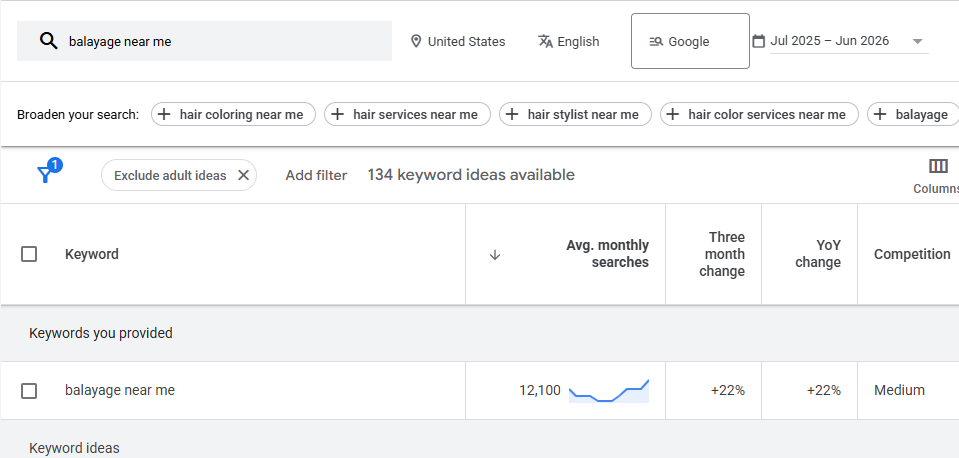
. For a small business, ranking #1 for a broad term like “nail salon” is meaningless compared to ranking #1 for “nail salon near me.”

  • Focus on Conversational and Geo-Targeted Phrases: Users increasingly use natural, conversational language when searching via voice assistants or AI search engines. Target long-tail keywords that blend your core service with specific neighborhoods or towns (e.g., best nail salon in [Neighborhood Name]).

  • Decipher Transactional Intent: Prioritize keywords that indicate a user has their wallet out. Phrases containing “price,” “near me,” “fast,” “top-rated,” or “emergency” mean the searcher is ready to make a purchase decision within hours, not days.

Optimizing Website Pages for Search Visibility

Once you know what your target audience is searching for, you must organize your website’s architecture so search engine crawlers can instantly understand your geographic and topical relevance.

  • Master On-Page Technical Basics: Ensure your primary local keyword is placed strategically within your page’s Title Tag, Meta Description, H1 Heading, and the first 100 words of content. Keep URLs short and descriptive (e.g., [yourbrand.com/seo-services-austin](https://yourbrand.com/seo-services-austin)).

  • Build Dedicated Service Area Pages: If your business serves multiple locations, avoid the trap of listing them all on a single “Contact Us” page. Create separate landing pages for every primary city or neighborhood you operate in. Each page must feature localized customer reviews, unique local descriptions, and a mapped location.

  • Implement Local Schema Markup: Schema markup is a backend code that directly tells search engine bots your exact business name, physical address, phone number, and operating hours. This structured data is vital for securing spots in rich snippets and AI-generated search summaries.

Improving Google Business Profile Rankings

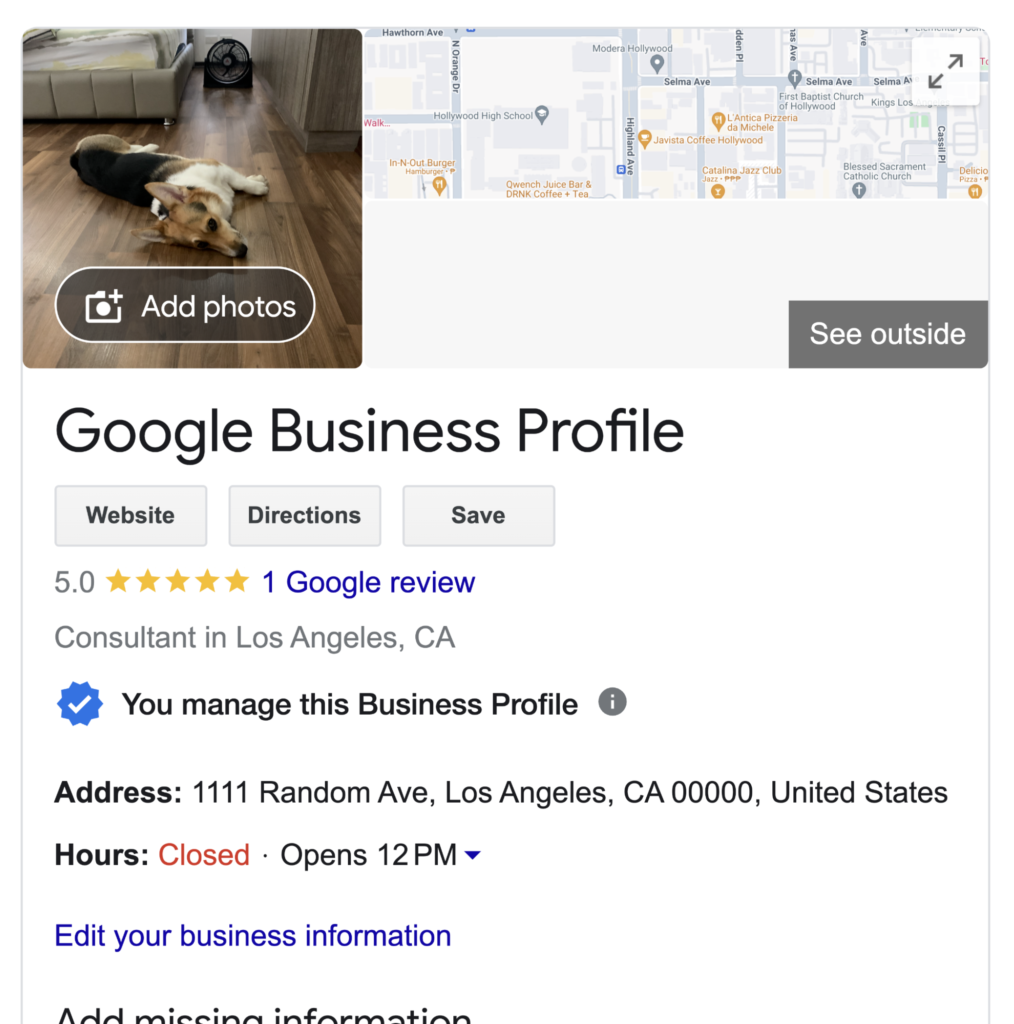
Your Google Business Profile (GBP) is the single most powerful asset for local visibility. It drives the “Local 3-Pack”—the map and business listing block that appears at the absolute top of Google search results before standard organic website listings.

  • Provide an Uncompromisingly Complete Profile: Google rewards thoroughness. Choose the most specific primary category possible (e.g., “Authentic Italian Restaurant” instead of just “Restaurant”). Fill out your exact operational hours, add a complete list of your products or services, and add a link to your booking page.

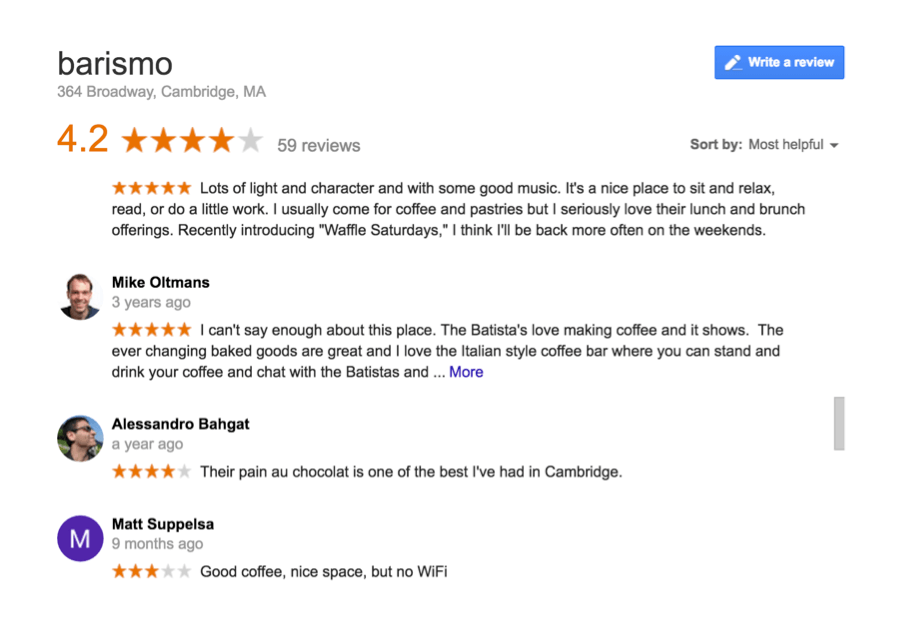
  • Build an Active Review Flywheel: The volume, frequency, and sentiment of user reviews are heavy ranking factors. Actively encourage happy clients to leave feedback using your unique direct review link. Always reply to reviews-both positive and negative-as it signals to Google that your business is responsive and active.

  • Keep Content Fresh: Treat your GBP like a mini social media channel. Regularly upload high-resolution photos of your workspace, team, or projects, and publish weekly “Google Posts” highlighting offers, events, or announcements.

Creating Content That Attracts Local Customers

To stand out in the age of AI search, your content marketing must offer deep, authentic, human experience that algorithms can’t replicate. Writing broad, generic blog posts won’t cut it; your content must serve your immediate local community.

  • Establish Hyper-Local Topical Authority: Write about topics, issues, and events unique to your geographic region. If you are a landscaping company, write a blog post titled “How to Protect Your [City Name] Lawn During the Summer Drought.” If you are a real estate agent, publish a comprehensive neighborhood guide.

  • Incorporate Real-World Case Studies: Showcase your work in the local community. Detail specific projects you completed for local residents, mention nearby landmarks, and describe how you solved a unique challenge common to homes or businesses in your area.

  • Answer Real Patient/Customer Questions: Turn your daily client interactions into an FAQ goldmine. If multiple people ask your team the same question face-to-face, turn the answer into a detailed, optimized blog post. This targets exactly what local searches are looking for online.

Content Marketing Strategies for Small Businesses

Effective content marketing allows you to establish authority, nurture cold prospects into buyers, and scale your brand awareness without exponentially increasing your ad spend. Here is how to build a practical, high-impact content strategy this year.

Creating Educational Blog Content

The goal of your blog should be to establish your business as the ultimate educational resource in your niche. When you unselfishly teach your audience how to solve their problems, you build a deep layer of trust that positions your paid services as the logical next step.

  • Solve Real Problems First: Move away from promotional fluff. Focus on creating comprehensive, “how-to” guides, checklist frameworks, and industry breakdowns that solve immediate pain points for your ideal customers. For example, a local roofing contractor shouldn’t just blog about their services; they should write a guide on “How to Identify Storm Damage on Your Roof Before Calling Your Insurance Company.”

  • Optimize for E-E-A-T: Google’s search quality guidelines heavily prioritize Experience, Expertise, Authoritativeness, and Trustworthiness. Inject your real-world insights, unique brand voice, and professional opinions into every article to prove to both readers and search bots that the content was crafted by a human expert.

Turning Customer Questions into Content Ideas

The most effective content strategy doesn’t require complex brainstorming sessions—it lives inside your daily customer interactions. Every question asked by a prospect in an email, on a phone call, or during a consultation is an open window into their buying journey.

  • Crowdsourced Content Planning: Instruct your customer service, sales, or front-desk team to keep a shared running document of every question they hear regularly. These can range from pricing concerns (“Why does a professional HVAC installation cost more than a DIY setup?”) to logistical worries (“What should I expect during my first dental cleaning?”).

  • The “They Ask, You Answer” Advantage: When you write a detailed, transparent blog post addressing a specific customer question, you achieve two things: you target a highly specific search query that buyers are looking for online, and you create a valuable asset your sales team can send directly to prospects to close deals faster.

Using Case Studies and Testimonials for Trust

In a skeptical digital marketplace, what you say about your business will never be as powerful as what your actual customers say about you. Social proof—in the form of data-driven case studies and emotional testimonials—is the ultimate conversion tool.

  • Move Beyond “Great Service!” Quotes: Generic, one-sentence reviews carry very little weight. Instead, reach out to your best clients and structure their success into a narrative format: The Problem they faced, The Solution your business provided, and The Tangible Results they achieved.

  • Let Data and Emotion Coexist: If you are a B2B SaaS company, highlight concrete numbers (e.g., “How We Helped [Client Brand] Boost Lead Generation by 45% in 60 Days”). If you run a consumer-facing service business, focus on the lifestyle transformation and relief your service brought to the client’s everyday life.

Repurposing One Piece of Content Across Platforms

As a small business owner, you do not have the time to create unique content from scratch for every single digital platform. The secret to maximizing your digital footprint without burning out is mastering the art of content recycling.

  • The Content Pyramid Strategy: Start by creating one comprehensive, high-value asset—such as a deep-dive blog post or a 10-minute YouTube video. This serves as your “pillar content.” From this single asset, you can extract:

    • 3 to 4 Short-Form Videos: Turn key statistics or actionable tips into 60-second scripts for TikTok, Instagram Reels, or YouTube Shorts.

    • A Multi-Slide Carousel: Condense the main steps of your article into a visually appealing graphic deck for Instagram or LinkedIn.

    • An Email Newsletter: Rewrite the introduction and core takeaways into a personalized email to send directly to your subscriber list.

  • Maximize Efficiency: This lifecycle approach ensures that a single hour spent creating a high-quality blog post yields weeks of marketing collateral across all your active marketing channels.

Social Media Marketing That Actually Generates Customers

Social media marketing only generates actual customers when you shift your focus from chasing vanity metrics (like follower counts) to building genuine engagement and reach. When executed correctly, your social channels can act as a high-converting trust accelerator, warming up cold prospects and turning them into loyal buyers.

Choosing Platforms Based on Your Audience

One of the biggest mistakes a small business can make is trying to maintain an active presence on every single social media platform. This spreads your limited resources thin and results in mediocre content. To win in 2026, you must go deep on the channels where your ideal clients are already spending their time.

  • Match Intent with Platform Demographics: Align your channel selection with your target customer profile.

    • B2B Brands & Professional Services: Focus heavily on LinkedIn, where users possess a professional, networking-focused mindset.

    • Visual, E-commerce, & High-End Consumer Brands: Prioritize Instagram Reels and Pinterest, where purchase intent is heavily driven by aesthetics.

    • Mass Consumer & Service Brands: Leverage TikTok and YouTube Shorts to capture rapid, algorithm-driven organic reach across diverse age groups.

Creating Short-Form Video Content for Reach

In the 2026 social media ecosystem, organic reach for static image posts is at an all-time low. Algorithms are explicitly built to favor short-form video (TikTok, Instagram Reels, and YouTube Shorts). If you want your business to be discovered by local customers who don’t follow you yet, short-form video is your fast track to success.

  • The First 3 Seconds are Critical: Every video must start with a powerful “hook” to prevent users from swiping away. Avoid slow introductions like, “Hi, my name is John and today I’m going to talk about…” Instead, start with a bold statement or an intriguing question: “If you are still cleaning your hardwood floors like this, you are actually ruining them.”

  • Keep it Raw and Authentic: Audiences connect with real people, not overly polished corporate commercials. Film using a smartphone, keep your edits fast-paced, and focus on delivering a single, highly valuable tip or a relatable behind-the-scenes moment in under 60 seconds.

Building Engagement Instead of Just Posting Promotions

To turn followers into paying customers, you must implement a balanced content mix. A proven framework for small businesses is the 80/20 Rule: 80% of your content should provide free value, entertainment, or education, while only 20% should directly promote your services.

  • Gamify and Spark Conversations: Use interactive features to stop users mid-scroll. On Instagram and Facebook Stories, utilize native poll stickers, slider bars, and open-ended question boxes. Ask questions that are easy and fun to answer (e.g., a real estate agent asking: “Would you prefer a modern minimalist kitchen or a cozy rustic one? Vote below!”).

  • Create “Saveable” and “Shareable” Content: The ultimate ranking signals for social algorithms are shares and saves. Focus on publishing bite-sized infographics, quick checklists, or step-by-step troubleshooting tips that users will instinctively want to bookmark for later use or send to a friend.

Using Community Interaction to Build Brand Trust

The word “social” is in social media for a reason. In 2026, the real marketing happens in your comment sections and direct messages (DMs). When a potential customer comments on your video or sends a private question, they are handing you a golden opportunity to convert them into a lead.

  • Reply to Every Single Comment: Treat your comment section like a customer service desk. Never leave a question unanswered, and don’t just reply with a generic emoji. Write a thoughtful, human response. This level of responsiveness stands out to prospective buyers and signals to the platform’s algorithm that your post is generating a high level of active community engagement.

  • Leverage Chat Automation Strategically: Use tools like ManyChat to turn video views into direct sales conversations. For example, publish a reel showing a preview of a valuable local guide and include a caption saying: “Comment the word ‘GUIDE’ below and I’ll instantly DM you the full PDF link.” This creates a seamless, low-friction pipeline that safely converts casual viewers into qualified email leads.

Email Marketing for Customer Retention and Repeat Sales

Email marketing shouldn’t just be a tool for blasting out discounts. Its real power lies in retention and lifetime value. It allows you to build deeper relationships with current subscribers, onboard new leads smoothly, and consistently drive repeat sales without spending a single dollar on advertising.

Building an Email List from Website Traffic

Driving traffic to your website is only half the battle. If visitors leave without buying or giving you their contact information, you have lost them forever. To build a robust email list, you must turn passive readers into active subscribers using high-converting opt-in strategies.

  • Offer High-Value “Lead Magnets”: No one signs up for a generic “Join our monthly newsletter” anymore. In 2026, you must exchange an email address for a piece of immediate, highly practical value. Create downloadable assets like a detailed checklist, an exclusive local guide, an ultimate template, or a direct first-time buyer discount code.

  • Optimize Form Placement Without Being Invasive: Place your opt-in forms where they make sense contextually. Use a non-intrusive slide-in box at the bottom of highly trafficked blog posts, an explicit banner section on your homepage, or a dedicated landing page for your lead magnet. Ensure your signup forms require minimal fields—asking for just a first name and email address keeps friction low.

Creating Automated Welcome Sequences

The moment someone signs up for your email list is the exact moment their interest in your business is at an all-time high. Do not leave them waiting for your next manual broadcast. You must implement an automated welcome email sequence that instantly triggers upon subscription.

  • The 3-Part Onboarding Blueprint: A classic, high-converting automated welcome flow for small businesses spans 3 to 4 days:

    • Email 1 (Immediate): Deliver the promised lead magnet instantly. Introduce your brand vision briefly and set expectations for how often you will email them.

    • Email 2 (24 Hours Later): Share your brand’s story or core values. Highlight a massive pain point your audience faces and explain how your business solves it.

    • Email 3 (48 Hours Later): Deliver a piece of pure value or a powerful customer success story (social proof) to establish authority.

    • Email 4 (72 Hours Later): Introduce a gentle, low-friction call to action, such as a special introductory discount or an invitation to book a consultation.

Sending Promotional vs. Value-Driven Emails

To keep your subscribers from hitting the “Unsubscribe” link, you must maintain a healthy balance in your broadcasting schedule. If every message you send is an aggressive sales pitch, your audience will tune you out instantly.

  • The 80/20 Content Split: Just like your social media strategy, apply the 80/20 rule to your email campaigns.

    • 80% Value-Driven: Send educational articles, industry updates, step-by-step troubleshooting guides, and answers to common customer questions.

    • 20% Promotional: Reserve your promotional emails for major product launches, seasonal flash sales, limited-time service openings, or exclusive subscriber-only deals.

  • Segment Your Audience: Don’t blast your entire list with the exact same message. Segment your subscribers based on their behavior (e.g., separate your list into “Past Customers” and “Leads Who Haven’t Purchased Yet”). This ensures that your offers are highly tailored and relevant to each reader’s position in your sales funnel.

Tracking Open Rates and Conversions

You cannot optimize your email marketing if you aren’t looking at your dashboard metrics. Monitoring your performance indicators allows you to see exactly what content resonates with your audience and where your campaigns are losing steam.

  • Focus on Key 2026 Deliverability and Engagement Metrics:

    • Open Rate: This measures the effectiveness of your subject lines. If your open rates are low (under 20–25%), experiment with shorter, curiosity-inducing headlines or personalized tags (e.g., using the subscriber’s first name).

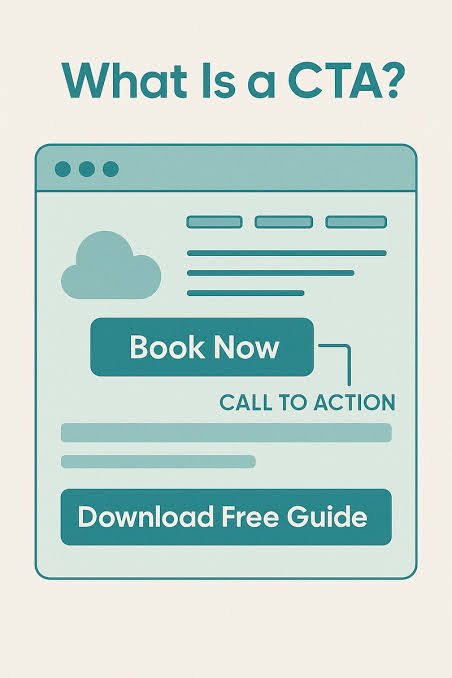
    • Click-Through Rate (CTR): This measures how compelling your email body copy and Call to Action (CTA) links are. Ensure your emails contain a clear, singular link that stands out visually.

    • Conversion Rate: The ultimate metric. Track how many people click through your email and actually complete a purchase, fill out a lead form, or book a consultation on your website.

    • List Hygiene & Bounce Rates: Clean your email list every quarter by removing unengaged subscribers who haven’t opened an email in over 90 days. This keeps your sender reputation high and ensures your emails safely land in the primary inbox rather than the spam or promotions folder.

Learn more: How to Grow Your Business: 10 Strategic Blueprints for 2026

Using Paid Advertising Without Wasting Budget

However, paid advertising is a double-edged sword. In 2026, ad platforms rely heavily on complex AI bidding algorithms. If you configure your campaigns incorrectly, you can easily waste thousands of dollars overnight on junk clicks. To win at paid advertising on a small business budget, you must stop spraying and praying, and start utilizing tight, hyper-targeted ad frameworks.

Google Ads for High-Intent Searches

Google Ads is the ultimate platform for capturing active demand. Unlike social media, where users are browsing content for entertainment, Google searchers are actively looking for a specific solution. They have an immediate problem, and they are looking for a business to fix it.

  • Dominate the Top of Search Results: Focus your budget on the Google Search Network. By bidding on transactional phrases (e.g., “emergency commercial roofing contract” or “best business accountant near me”), you place your ad at the absolute top of the page before any organic or map listings.

  • Utilize Google Local Services Ads (LSAs): If you operate a local service business (plumbing, electrical, HVAC, law, etc.), prioritize LSAs over standard search ads. These appear at the very top of the screen with a green “Google Guaranteed” badge. Best of all, you pay per lead (phone call or text message) rather than paying per click, making it highly cost-effective.

Facebook and Instagram Ads for Local Targeting

While Google is built for capturing active demand, Meta Ads (Facebook and Instagram) are built for generating demand and building hyper-local brand awareness. It allows you to introduce your business to individuals who fit your ideal customer profile but might not be looking for you yet.

  • Harness the Power of Geofencing: Small businesses shouldn’t target broad geographic regions. Use Meta’s granular location targeting to place a tight radius (e.g., a 3 to 5-mile boundary) around your storefront or service area. This ensures you aren’t wasting money showing your ads to people who live too far away to buy from you.

  • Test Dynamic Creative Formats: Meta’s 2026 algorithm favors authentic, user-generated short-form video ads over standard stock photos. Film a quick smartphone video showcasing a local customer success story or a behind-the-scenes look at your team in action, and let Meta’s AI deliver it to the local residents most likely to engage.

Retargeting Previous Website Visitors

Did you know that roughly 96% to 98% of people who visit your website for the first time will leave without buying anything or contacting you? Retargeting (or remarketing) is the strategic process of serving ads specifically to those lost visitors as they browse other areas of the internet.

  • The Ultimate High-ROI Ad Campaign: Because these users are already familiar with your brand, retargeting campaigns routinely boast the highest Return on Ad Spend (ROAS) of any paid ad format. It acts as a gentle, persistent reminder to bring warm prospects back to complete their purchase.

  • Offer a Lower-Friction Incentive: Don’t just show them the exact same page they left. Serve retargeting ads that lower the barrier to entry. For instance, show them a customer testimonial video, offer a limited-time first-time buyer discount code, or invite them to a free virtual consultation.

Avoiding Common PPC Mistakes Small Businesses Make

Most small businesses that claim “paid ads don’t work for my industry” have actually fallen victim to a few easily preventable campaign errors. To safeguard your marketing budget, keep a strict eye on these common pitfalls:

  • Failing to Monitor Negative Keywords: In Google Ads, if you don’t add negative keywords, your budget will bleed out. For example, if you are a high-end custom home builder, you must add negative keywords like “cheap,” “DIY,” “jobs,” “school,” and “free.” This prevents you from paying for clicks from people looking for cheap floor plans or job openings.

  • Relying on the “Boost Post” Button: Clicking “Boost Post” on Facebook or Instagram is an easy way to lose money. It optimizes your ad for cheap vanity engagement (likes and reactions) rather than actual sales conversions. Always build your campaigns from inside the official Meta Ads Manager, choosing “Leads” or “Sales” as your explicit campaign objective.

  • Neglecting Conversion Tracking: If you aren’t tracking exactly which ad, keyword, or creative generated a phone call or form submission, you are flying completely blind. Set up your Google Tag and Meta Pixel correctly before spending a single dollar to ensure you can confidently scale your winning ads and kill the losers.

Final Thoughts

Mastering a modern mix of online promotional strategies is the single most effective move a small business owner can make to secure sustainable, long-term commercial growth. By connecting your search visibility, automated email workflows, and community engagement into a unified ecosystem, you build a self-sustaining pipeline that fills your client roster for years.

The true secret to digital victory lies in backing up your visibility with unmatched public confidence. When your internal marketing messages and your real-world public reviews speak with the same high level of authority, your company becomes the undisputed choice in your local market.

Don’t let a silent public presence limit your conversion potential. Contact Good Review Service Today to discover how our specialized reputation tools can amplify your internet marketing strategy. Let us help you turn everyday internet browsing into lifelong business success!

Contact Good Review Service