



Evaluating the operational efficiency of modern organic discovery requires corporate marketing divisions to continuously adapt to changing social media algorithms. For independent brands and growth marketers trying to maximize their visual reach, asking Are hashtags still relevant is a critical step in building an efficient metadata strategy. This definitive operational analysis by Good Review Service systematically breaks down the hidden technical shifts, search index parameters, and semantic categorization models transforming modern network discovery.
Why the Role of Hashtags Has Changed
The underlying discovery mechanisms of major digital networks have undergone a massive technical shift, moving away from simple, chronological tag indexing toward highly advanced, AI-driven Semantic Search systems. In the early days of social networks, algorithms were relatively simple database tools that relied almost entirely on exact hashtag strings to read, catalog, and distribute user content to specific audience feeds.
Today, advanced Natural Language Processing (NLP) models automatically analyze the complete context of a post, reading elements like unedited spoken audio transcripts, on-screen text overlays, detailed background descriptions, and real-time user engagement habits. This shift directly limits the power of traditional tag sets.
Consider an independent beauty salon that publishes a high-definition transformation video showcasing a modern balayage coloring technique. Previously, the stylist had to pack their caption with thirty disjointed terms like #blonde or #hairsalon just to catch the algorithm’s attention.
In the contemporary landscape, the sorting bots analyze the audio waves as the stylist explains the treatment, scan the text graphics embedded in the video file, and automatically categorize the post for local consumers looking for premium color touch-ups. This deep computing framework proves why the traditional approach to copy-pasting massive keyword blocks has become completely obsolete, forcing brands to focus heavily on authentic contextual value.
Are Hashtags Still Useful in 2026?
Despite the rapid expansion of AI context reading, utilizing targeted metadata markers remains an essential operational task for maximizing search relevance. While the strategy has changed, understanding how to deploy optimized tag frameworks can still provide a clear competitive advantage in specific niches.
First, keywords serve as a vital signal that helps social sorting bots classify your content during the initial minutes after publication. When a specialized medical-wellness clinic uploads an advanced diagnostic video breaking down alternative skin therapies, the platform’s AI must figure out who to show the video to first.
Placing a few focused tags like #ClinicalSkincare or #LaserTherapy into the description provides clear labels that point the algorithm toward pre-qualified beauty and health audiences. This strategic categorization helps your content pass the initial testing phase and secures high-velocity early engagement.
Second, modern consumers treat social platforms like conversational search engines, regularly using specific search terms to find local services, verified customer reviews, and trusted project benchmarks. If an upscale day spa optimizes its visual posts around a localized tag string, they place their business right in front of high-intent buyers looking for local treatments.
This smart placement captures ready-to-buy consumers exactly when they open their apps to look for nearby wellness options. This direct connection demonstrates that the answer to whether these metadata markers are still useful is an absolute yes, provided they are treated as a precise tool for local discovery rather than a tool for spam.
How Hashtags Work on Different Social Platforms
Every major application ecosystem utilizes its own unique search algorithms and categorization rules, requiring content creators to customize their metadata formatting for each specific channel.
Instagram Hashtags
Instagram has fully shifted away from high-volume, hidden keyword blocks in the comment section, optimizing its algorithm to reward small sets of 3 to 5 hyper-focused, niche-specific tags placed directly in the main caption text. The sorting engine uses these markers alongside your alt-text descriptions to classify content for its Explore Page and Reels recommendation feeds.
When a premier hair salon publishes a video showing a geometric bob haircut, the stylist bypasses broad terms like #hair, which get buried in millions of posts. Instead, they apply a few specific tags like #BobHaircut, #LondonStylist, and #PrecisionCut. This targeted approach allows the algorithm to instantly identify the video’s exact niche and push the creative asset straight to local users who are looking for premium styling services.
TikTok Hashtags
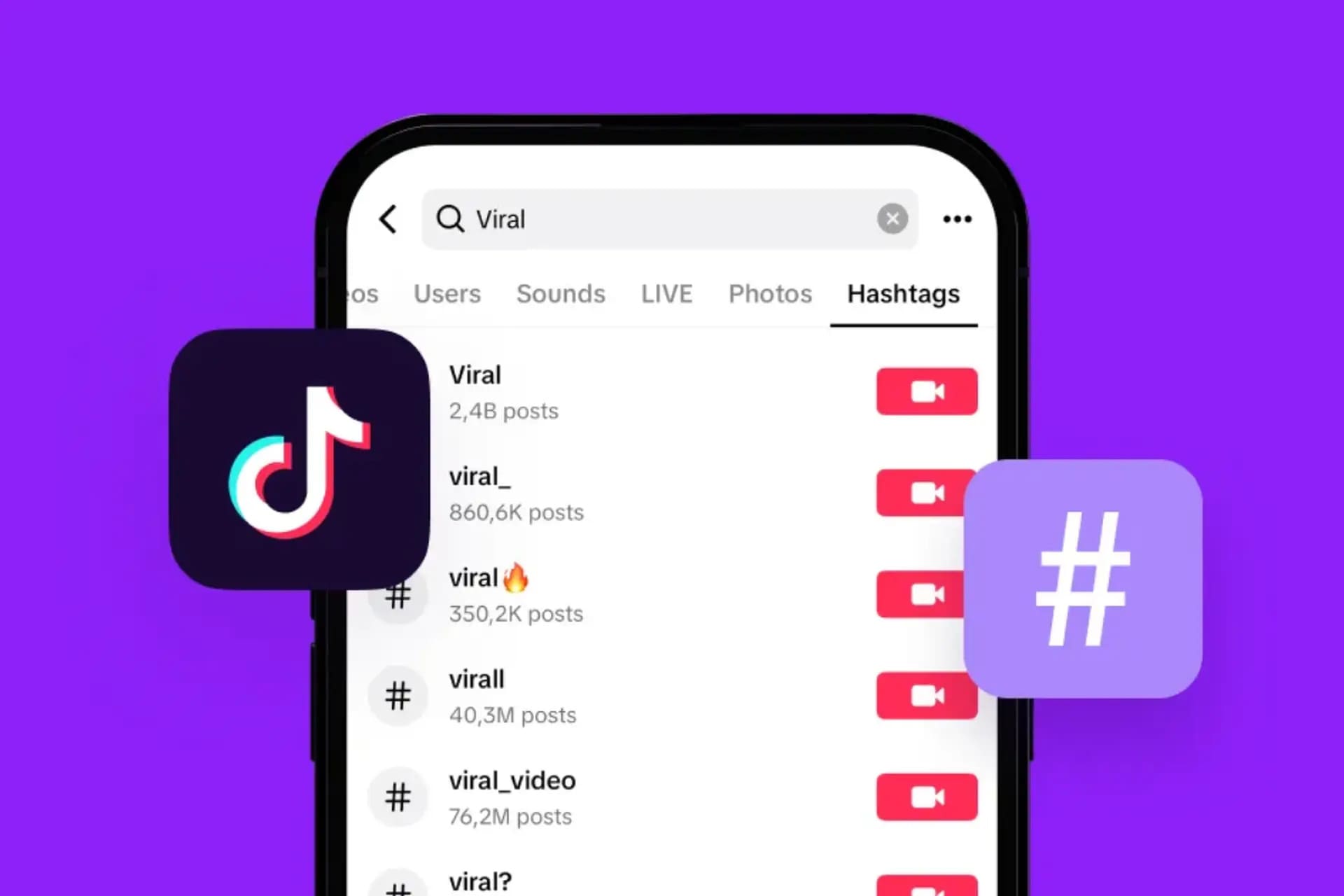
TikTok uses its metadata tags as a direct fuel injection for its powerful “For You” page (FYP) sorting system, evaluating your tag selections to match short-form videos with highly enthusiastic consumer subcultures. The platform relies on a combination of broad community terms and specific problem-solving modifiers to categorize content for its active search bar.
Consider a specialized automotive detailing studio sharing a satisfying, ASMR-style video showing a deep ceramic coating application on a luxury sports car. By structuring their description with text strings like #DetailingWorld, #CeramicCoating, and #CarCare101, they tap straight into the platform’s passionate automotive subcultures. The platform indexes the video for those specific communities, generating millions of organic views from high-intent enthusiasts who are likely to book a real-world transformation.
LinkedIn Hashtags
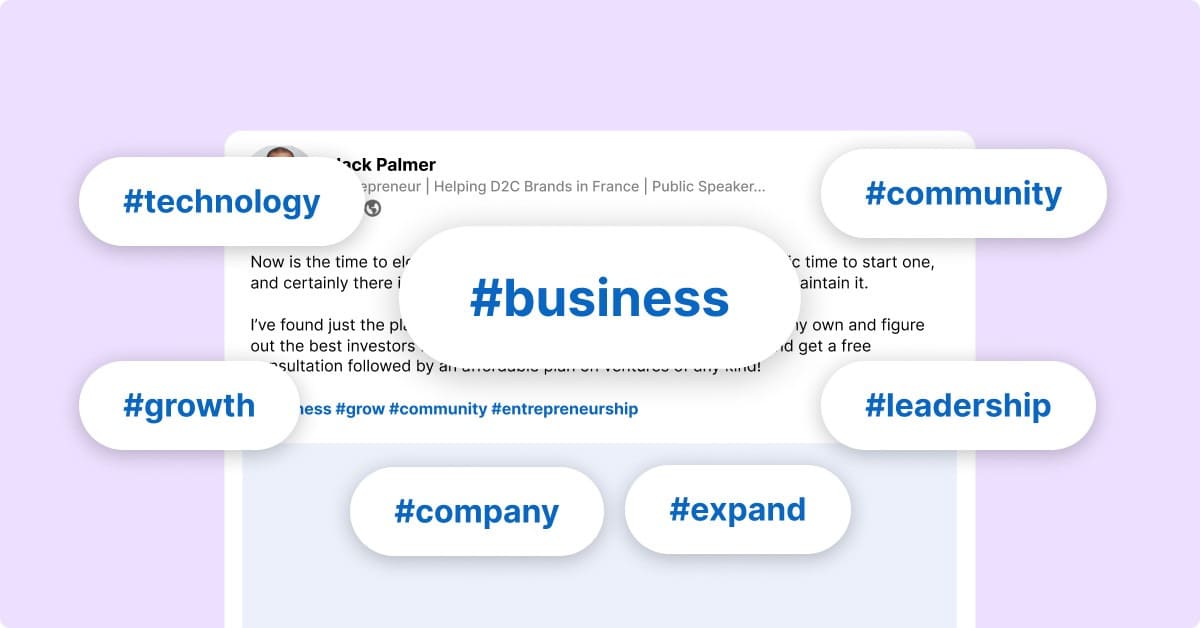
LinkedIn operates as a strict professional directory where metadata tags serve to catalog long-form industry insights, business updates, and executive advice into centralized, searchable topic networks. The corporate sorting system suppresses overly casual or spammy tags, heavily favoring standard industry terms that provide direct professional value.
An executive business coach can use this professional network to consistently attract corporate consulting accounts. When they publish a data-backed breakdown of corporate management failures, they close the text with a few focused tags like #SaaSMarketing and #B2BGrowth. This professional classification injects their post straight into the customized feeds of enterprise marketing directors, establishing the coach as a leading authority without needing a large advertising budget.
X (Twitter) Hashtags
X uses its fast-paced keyword system as a live, real-time index designed to group breaking news, global political discussions, and localized market emergencies into trending search categories. Because space inside the platform’s text dashboard is highly limited, utilizing more than two strategic tags can make your post look cluttered and trigger algorithmic spam filters.
During a sudden winter freeze, a local emergency plumbing company can monitor regional trending conversations regarding frozen utility lines across their city blocks. By quickly publishing short safety tips and using a focused tag like #AustinFreeze, they position their brand as the immediate neighborhood expert. Local homeowners dealing with active property leaks will discover the helpful post and call their dispatch office first, showing how real-time keywords drive instant conversion volume.

YouTube Hashtags
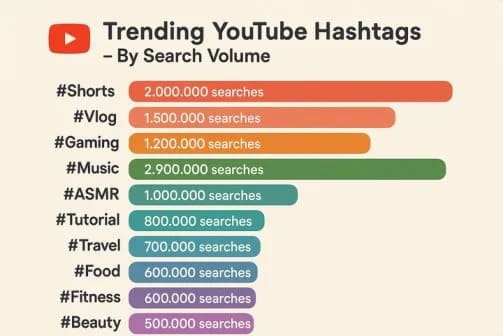
YouTube processes its video metadata tags as a secondary alignment signal for its massive global search engine, displaying up to three primary tags right above the video title to help categorize long-form tutorials and short vertical clips. The search spiders evaluate these markers to populate relevant search queries and recommend related content in the sidebar sidebar
An independent auto garage can maximize this search behavior by embedding specific tags like #CarDetailing, #PaintCorrection, and #DIYCar into their comprehensive 20-minute paint protection tutorial. When a car enthusiast looks up a guide on how to safely buff out surface scratches, the platform uses those tags to rank the tutorial video in their search results. This long-term visibility keeps pulling high-intent leads straight to the garage’s booking forms for years after the video goes live.
The Shift From Hashtags to Social SEO
The underlying discovery mechanisms of the social web have completely shifted away from simple keyword matching toward advanced Social SEO infrastructures. Previously, the platform algorithms were relatively basic database tools that relied almost entirely on the presence of exact pound-sign symbols to categorize and distribute published media.
Today, major search systems use Natural Language Processing (NLP) models to scan entire posts, evaluating elements like unedited voice transcripts, embedded on-screen graphics, detailed alt-text metadata, and the overall context of user interactions. This deep computing approach makes traditional tag-stuffing completely ineffective.
Consider a boutique medical spa in a major metropolitan district publishing a high-definition video breakdown of an advanced laser skin resurfacing treatment. In the legacy platform environment, the clinic had to cram thirty disjointed tags into their comment section just to be discovered under industry search tabs.
In 2026, the semantic search engine automatically listens to the practitioner’s spoken explanations, extracts the text overlays embedded within the video file, and indexes the entire asset under relevant local search queries for skincare treatments. This direct data processing shows why the old method of using massive tag blocks has evolved into a strategic keyword optimization framework.
A Smarter Hashtag Strategy for 2026
To maintain an organic visibility advantage within this high-velocity digital marketplace, organizations must transition away from unorganized, high-volume tagging and adopt a hyper-focused, three-tiered metadata blueprint. Instead of treating your content descriptors as an afterthought, you must select your textual labels based on clear data categories to ensure the sorting bots understand exactly who your content is meant for.
A specialized commercial kitchen remodeling agency provides an exceptional example of this data-driven strategy in action. When showcasing a completed stainless-steel restoration project, the marketing team completely avoids broad, saturated terms like #design.
Instead, they apply an exact three-layer framework: one macro-industry indicator (#CommercialKitchens), two highly specific category markers (#StainlessSteelDesign, #RestaurantRenovation), and a hyper-local geographical tag (#ChicagoBusiness).
This structural sequence provides clear data points for the search engine’s indexing bots, guiding your media assets straight into the feeds of hospitality managers and local restaurant owners who are actively searching for design contractors.
Where to Put Hashtags for Better Results
The placement of your structural metadata signals directly affects how smoothly search engine spiders read your code, which heavily impacts your content’s long-term indexing scores. Many brands continue to drop their key phrases into the secondary comment section, a legacy habit that modern platform frameworks often flag as low-value or automated spam behavior.
- Step 1: Write an Engaging, Context-Rich Caption: Begin your post with 2 to 3 paragraphs of high-value text that naturally incorporates your primary business keywords and consumer problem-solving phrases.
- Step 2: Create a Clean Visual Buffer: Insert a line break or use a subtle separator beneath your final sentence to separate your main copy from your administrative metadata.
- Step 3: Insert Your Focused Tag Matrix: Place your 3 to 5 targeted metadata markers directly at the base of the main caption field to ensure they are read instantly by native platform crawlers.
An upscale day spa can implement this exact placement sequence to maximize their mobile conversion rates on promotional campaigns. When introducing an advanced hydrotherapy treatment, the copywriter places three specific tags neatly at the very base of the main text area, rather than burying them in a sea of user comments.
This clean structure allows the platform’s crawl spiders to index the location data and service descriptors on the first pass. The post ranks quickly in local search feeds, proving that strategic placement is key to driving organic traffic.
Final Verdict
An objective analysis of modern algorithmic trends confirms that the answer to whether Are hashtags still relevant is a clear yes-but they now function as supportive metadata labels rather than independent visibility drivers. Attempting to manipulate your distribution scores by copy-pasting massive blocks of generic tags will trigger immediate programmatic suppression, as algorithms prioritize clean, natural language context above all else.
Focus your organization’s creative capital on delivering elite visual depth, embedding clear text graphics into your video files, and keeping your business data thoroughly standardized across all major directories.
By treating your social platforms as visual search engines and ensuring your targeted keywords are perfectly integrated into your main captions, you turn your social feeds into a reliable customer acquisition machine. This disciplined approach ensures your brand maintains long-term local relevance, keeps your appointment books filled, and outpaces neighborhood competitors with predictable efficiency.