



Facebook Marketing for Small Business succeeds when every post, ad, and customer interaction is designed to move people closer to a purchase not just increase reach or engagement. Many small businesses struggle because they focus on vanity metrics instead of building a repeatable sales funnel that turns Facebook followers into qualified leads and loyal customers. In this guide, Good Review Service explains how to create a results-driven Facebook marketing strategy, optimize your business page, produce high-converting content, leverage Facebook Ads, and use customer reviews, retargeting, and automation to maximize conversions while keeping your marketing budget under control.
What Is Facebook Marketing for Small Business?
Facebook marketing for small business is the process of using Facebook to promote your products or services, build relationships with potential customers, and generate measurable business results. Instead of using Facebook only as a place to post updates, businesses use it as a marketing channel to attract new audiences, build trust, communicate with customers, and drive conversions.
A successful Facebook marketing strategy combines organic content, customer engagement, paid advertising, and conversion optimization. The goal is not simply to gain followers or increase likes, but to move people through the customer journey from discovering your brand to becoming paying customers.
Why Most Small Businesses Fail on Facebook?
Many small businesses believe that posting regularly is enough to grow on Facebook. In reality, success depends on attracting the right audience, building trust, and guiding potential customers toward a purchase. The following mistakes prevent many businesses from achieving consistent results.
Selling too much
Constantly promoting products or services drives people away. Facebook users don’t log in to see endless sales posts they want content that educates, entertains, or solves a problem.
Instead of making every post promotional, focus on delivering value. Share tips, answer common questions, showcase customer success stories, and reserve direct sales posts for the right moments.
Posting without a strategy
Random posting leads to inconsistent messaging and weak results. Every post should support a specific goal, such as increasing brand awareness, generating leads, building trust, or driving website traffic.
A simple content strategy ensures your posts work together instead of competing for attention.
Chasing likes instead of customers
Likes and shares don’t automatically generate revenue. A post can go viral while producing zero sales if it reaches the wrong audience.
Measure success using business-focused metrics like qualified leads, website visits, inquiries, bookings, and conversions not just engagement numbers.
Ignoring trust-building
People buy from businesses they trust. Without credibility, even well-targeted Facebook campaigns struggle to convert.
Build trust by responding to comments and messages, sharing customer reviews, posting real results, and consistently publishing helpful content. The more confidence people have in your business, the more likely they are to become paying customers.
The Customer Journey on Facebook
Most people don’t become customers the first time they discover your business on Facebook. They move through a series of stage from learning about your brand to building trust and finally making a purchase. Understanding this journey helps you create content that matches what potential customers need at each step instead of pushing for an immediate sale.
Stage 1. Build Awareness
The awareness stage is where potential customers discover your business for the first time. At this point, they may not know your brand or even realize they need your product or service. Your goal is to capture attention and introduce your business not make a sale.
Focus on content that is useful, engaging, and easy to consume. This helps your business appear in more feeds while encouraging users to interact with your page.
Effective awareness content includes:
- Educational tips and how-to posts
- Short videos or Reels
- Industry insights and trends
- Behind-the-scenes content
- Frequently asked questions
- Infographics and quick guides
Instead of promoting your offer in every post, demonstrate your expertise by solving common problems. Valuable content encourages people to follow your page, engage with your posts, and remember your business when they’re ready to buy.
At this stage, success should be measured by metrics such as reach, impressions, profile visits, new followers, and meaningful engagement, as these indicate that more potential customers are entering your marketing funnel.
Stage 2. Earn Trust
Most purchases on Facebook don’t happen because someone sees a great offer they happen because buyers feel confident enough to choose your business over dozens of competitors. If a potential customer visits your page and finds little proof of your credibility, they’ll likely keep scrolling or compare you with another business that provides stronger evidence.

To build trust, you need to replace marketing claims with verifiable proof.
Make customer reviews your strongest sales asset. Don’t simply collect reviews feature them in your content. Turn positive feedback into quote graphics, videos, or case studies that explain the customer’s problem, the solution you provided, and the outcome. Real customer experiences answer the question every buyer has: “Will this work for me?”
Demonstrate expertise by solving real problems. Every educational post should remove a buying objection. Instead of saying your service is the best, explain why one solution is better than another, highlight common mistakes customers should avoid, or share your professional recommendations. The more informed your audience becomes, the more they associate your business with expertise.
Show the process, not just the result. Behind-the-scenes content, before-and-after examples, and walkthrough videos help customers understand how you work. Transparency reduces uncertainty because people can see what to expect before they contact you.
Be consistently responsive. Respond to comments, answer Messenger inquiries, and address both positive and negative feedback professionally. An active business signals reliability, while unanswered questions often discourage potential customers from reaching out.
Build trust before asking for a sale. A useful benchmark is to provide several pieces of valuable content before publishing a promotional post. When followers repeatedly see helpful advice, authentic customer success stories, and consistent engagement, your promotional content feels like a natural recommendation instead of an advertisement.
The goal of this stage is simple: remove as much doubt as possible. When your Facebook page consistently proves that you deliver real value and real results, followers are far more likely to become paying customers.
Stage 3. Start Conversations
Once you’ve earned trust, the next goal is to turn passive followers into active prospects. A conversation is often the bridge between interest and a purchase. The easier you make it for people to ask questions, the more opportunities you create to convert them into customers.

End every post with a clear call to action. Instead of simply sharing information, encourage people to take the next step. Ask them to leave a comment, send a Messenger inquiry, request a quote, or book a consultation. Clear CTAs generate far more responses than posts that end without direction.
Respond while buying intent is high. When someone comments or sends a message, reply as quickly as possible. Fast responses keep the conversation moving and reduce the chance of the prospect contacting a competitor instead.
Ask questions that encourage discussion. Rather than posting one-way promotional content, invite your audience to share their experiences, challenges, or opinions. This increases engagement while helping you understand what potential customers actually need.
Use Messenger as a lead generation tool. Many customers prefer asking questions privately before making a purchase. Be prepared with helpful answers, pricing information, FAQs, and booking links so you can guide prospects smoothly toward the next step.
The objective of this stage isn’t just to increase comments or messages it’s to identify buying intent and guide interested followers toward becoming qualified leads. Every meaningful conversation is an opportunity to build confidence, address objections, and move a potential customer closer to a purchase.
Stage 4. Convert Followers Into Customers
At this stage, your audience already knows your business, trusts your expertise, and has interacted with your content. Your goal is to remove the final barriers that prevent them from taking action. Instead of trying to persuade them with more information, focus on making the buying process simple and risk-free.
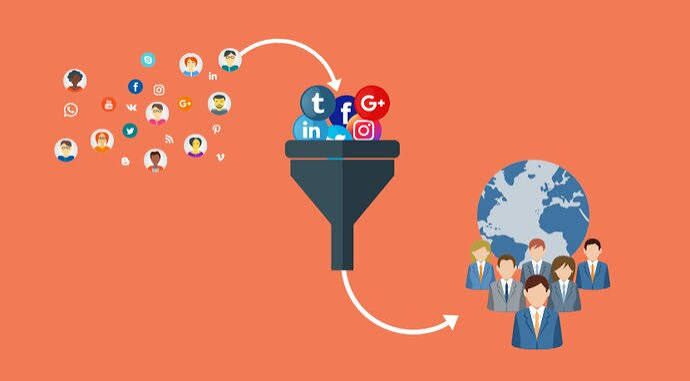
Create clear conversion opportunities. Every interested follower should know exactly what to do next, whether that’s booking an appointment, requesting a quote, claiming an offer, or making a purchase. Include a strong CTA, a direct booking link, or a “Send Message” button in your posts and on your Facebook Page.
Address common buying objections. Many prospects hesitate because they have unanswered questions about pricing, quality, availability, or results. Proactively answer these concerns through FAQs, comparison posts, customer testimonials, and case studies to reduce hesitation.
Use limited-time offers strategically. Promotions such as exclusive discounts, free consultations, or bonus services can encourage faster decisions. However, these offers work best after trust has been established not as your primary marketing strategy.
Retarget engaged audiences. People who watched your videos, visited your website, or interacted with your Facebook Page have already shown interest. Retargeting these warm audiences with relevant offers often delivers much higher conversion rates than targeting new users.
The most important metric at this stage isn’t reach or engagement it’s conversions. Track bookings, purchases, quote requests, lead form submissions, and return on ad spend (ROAS) to understand whether your Facebook marketing is generating real business growth.
Stage 5. Keep Customers Coming Back
Acquiring a new customer is often more expensive than retaining an existing one. The businesses that grow consistently don’t just focus on getting more customers they maximize the lifetime value of every customer they already have.
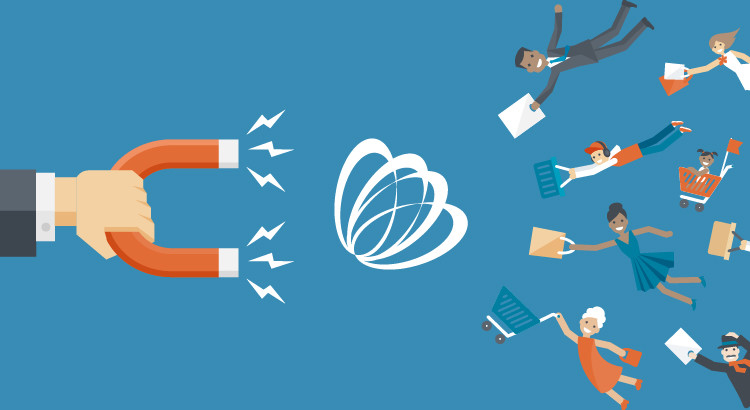
Stay visible after the purchase. Continue sharing helpful tips, product updates, seasonal offers, and educational content so customers remember your business when they need your product or service again.
Encourage customer feedback and reviews. After a successful purchase, ask customers to leave a Facebook review or share their experience. Positive reviews strengthen your reputation while encouraging repeat customers to stay engaged with your brand.
Reward loyal customers. Offer exclusive discounts, referral incentives, VIP programs, or early access to new products and services. Giving existing customers a reason to return is often more effective than constantly chasing new ones.
Re-engage inactive customers. Use Facebook Custom Audiences or email lists to reconnect with customers who haven’t purchased in a while. Personalized offers or reminders can bring them back before they choose a competitor.
The goal of this stage is to turn one-time buyers into loyal customers and brand advocates. When customers repeatedly buy from your business and recommend it to others, Facebook becomes a channel for long-term growth not just a source of one-time sales.
What to Post at Each Stage
Publishing the right content at the right stage keeps potential customers moving through your Facebook marketing funnel. Instead of posting randomly, match each content type to the customer’s intent.
| Content Type | Purpose | Best Stage |
|---|---|---|
| Educational Content | Teach your audience, answer common questions, and solve problems to establish expertise. Examples include how-to guides, tips, industry insights, and common mistakes to avoid. | Build Awareness |
| Behind-the-Scenes Content | Show your team, workflow, or how your products and services are delivered. Transparency helps humanize your brand and build credibility. | Earn Trust |
| Testimonials & Success Stories | Share customer reviews, before-and-after results, case studies, and user-generated content to provide social proof and reduce buying hesitation. | Earn Trust |
| FAQs | Address common concerns about pricing, quality, timelines, or policies before prospects ask. This removes objections and makes it easier for customers to take the next step. | Start Conversations |
| Offers & Promotions | Present limited-time discounts, free consultations, exclusive bundles, or seasonal promotions with a clear call to action. Use these after trust has been established to maximize conversions. | Convert Followers Into Customers |
How to Increase Conversions Without Posting More
Instead of increasing your posting frequency, focus on improving how you capture, nurture, and convert the audience you’ve already built.
Use Messenger to Remove Buying Friction
Many customers have questions before making a purchase, but they don’t want to fill out a contact form or wait for an email response. Messenger provides a fast, low-friction way to start a conversation.
To increase conversions:
- Enable the “Send Message” button on your Facebook Page.
- Reply quickly while purchase intent is still high.
- Use automated greetings and FAQs to answer common questions instantly.
- Guide the conversation toward the next step, such as booking an appointment, requesting a quote, or completing a purchase.
The easier it is to contact your business, the more likely interested prospects are to become customers.
Turn Customer Reviews Into Sales Content
Reviews shouldn’t stay hidden on your Facebook Page they should become part of your content strategy.
Instead of simply asking for reviews, repurpose them into posts that build trust. Highlight customer quotes, share before-and-after results, or create short case studies explaining the customer’s problem and the outcome you delivered.
This approach gives potential buyers the proof they need before contacting your business and continuously reinforces your credibility.
Strengthen Every Call to Action (CTA)
A post without a CTA often ends the customer journey instead of moving it forward. Every piece of content should encourage one clear next step.
Effective CTAs include:
- Book your appointment today.
- Send us a message for a free quote.
- Comment below if you have questions.
- Visit our website to learn more.
Avoid asking users to do multiple things in one post. One post should have one primary objective, making it easier for followers to take action.
Retarget People Who Already Showed Interest
Not everyone converts the first time they visit your Facebook Page or website. Retargeting allows you to reconnect with people who have already interacted with your business, making it one of the highest-converting Facebook marketing strategies.
Create custom audiences based on users who:
- Visited your website.
- Watched your videos.
- Engaged with your Facebook or Instagram content.
- Started a conversation in Messenger.
- Added products to their cart but didn’t complete the purchase.
Metrics That Actually Matter
To measure the success of your Facebook Marketing for Small Business strategy, focus on metrics that directly contribute to revenue.
Conversations
Every conversation is a potential sales opportunity. Track how many people start a conversation through Messenger, comments, or WhatsApp after seeing your content or ads.
A growing number of quality conversations usually indicates that your content is attracting the right audience and generating genuine interest.
Track metrics such as:
- Messenger conversations started
- Message response rate
- Response time
- Qualified inquiries
Leads
A lead is someone who has shown clear buying intent by requesting more information, asking for a quote, or submitting their contact details.
Instead of measuring how many people viewed your posts, measure how many potential customers entered your sales pipeline.
Track metrics such as:
- Lead form submissions
- Quote requests
- Contact form completions
- Email or phone inquiries
Bookings
For service-based businesses, bookings are a stronger indicator of success than engagement. They show that your Facebook marketing is generating real customer actions.
Compare the number of bookings against your leads to identify where prospects may be dropping off in the sales process.
Track metrics such as:
- Appointment bookings
- Consultation requests
- Reservation confirmations
- Booking conversion rate
Sales
The ultimate goal of Facebook marketing is revenue. Every campaign, post, and conversation should contribute to increasing sales and customer lifetime value.
Don’t just count total sales identify which content, campaigns, or ads generate the highest revenue so you can invest more in what works.
Track metrics such as:
- Revenue generated from Facebook
- Conversion rate
- Cost per acquisition (CPA)
- Return on ad spend (ROAS)
- Customer lifetime value (LTV)
When these four metrics Conversations, Leads, Bookings, and Sales consistently improve, your Facebook strategy is generating measurable business growth rather than simply increasing engagement.
Building a successful presence on Facebook requires a clear understanding of how people discover, evaluate, and interact with a business before making a decision. The businesses that achieve long-term results are not the ones that simply post more they are the ones that create a consistent experience that strengthens their relationship with customers.
A well-planned Facebook Marketing for Small Business strategy helps you turn Facebook from a simple social platform into a valuable channel for business growth. However, creating content, managing campaigns, analyzing performance, and continuously improving results can be challenging without the right expertise.
Good Review Service helps small businesses maximize their Facebook potential with professional marketing solutions designed to increase visibility, improve customer engagement, and generate more opportunities for growth. Our team can help you develop a Facebook strategy that aligns with your business goals and delivers measurable results.