



Toast’s platform data shows enrolling a guest in loyalty lifted the return rate from a 7% baseline to nearly 30%. Yet over half of diners have quit a program because rewards were too hard to earn, per a 2026 survey it cites.
The best loyalty program ideas for restaurants are simple: reward visits guests already make, make the first reward reachable in a few visits, and skip the app if you can. Here are 15 ideas, each with steps, an example, and an effort level.
Who this list is for, and what to expect
This list of loyalty program ideas for restaurants is for independent restaurants, cafes, and small groups that want more repeat visits without a big budget. Repeat guests matter: a 2026 DoorDash Merchants report, which is vendor data, found repeat diners spend 27% more than first-time diners, and 59% of operators call repeat guests their most profitable.
Loyalty works on retention, meaning how many guests come back. Expect more repeat visits and a higher check from members over time, not instant sales. A program also gives you an email and text list, which helps with win-back messages. Each example below is a sample to adapt, not a client result.
15 loyalty program ideas for restaurants, with examples
1. Punch card (buy 9, get the 10th free)
Effort: Low
How: Print cards and stamp one per qualifying visit or purchase over a minimum amount. Keep the first reward within reach.
Example: A cafe stamps each coffee over $4 and gives the 10th free.

2. Phone-number points, no app
Effort: Low
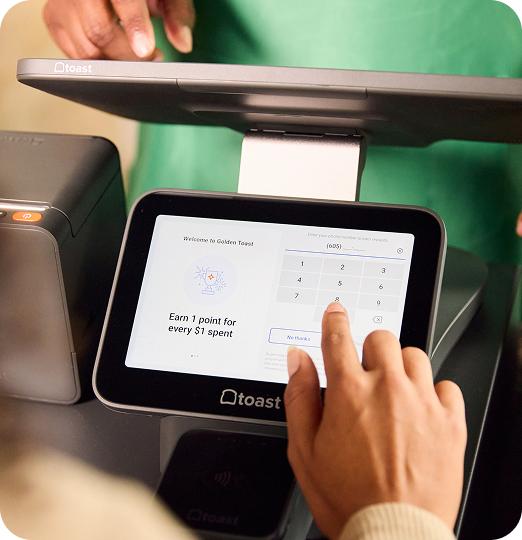
How: Let guests earn points by entering their phone number at the register or online. Less friction means more sign-ups.
Example: “1 point per dollar, 100 points for a free entree.”
3. Welcome reward
Effort: Low
How: Give new members a small reward for joining, such as a free side or dessert on the next visit. Never tie it to a review.
Example: “Join today and get a free dessert on your next visit.”

4. Birthday reward
Effort: Low
How: Collect birthday month at sign-up and send a reward by email or text, with consent.
Example: “Happy birthday! Enjoy a free appetizer this month.”

5. Referral reward
Effort: Low
How: Reward members who bring a friend who dines. Keep referrals separate from review requests.
Example: “Bring a friend: you each get [$X] off your next visit.”

6. Regular’s perk
Effort: Low
How: Teach staff to notice regulars and give a small, unadvertised surprise, such as a free side or a reserved table.
Example: A server brings a complimentary dessert to a guest on their tenth visit.

7. Off-peak bonus points
Effort: Low
How: Offer double points on slow days or times to move demand into empty seats.
Example: “Double points Tuesday and Wednesday lunch.”

8. Win-back offer for lapsed guests
Effort: Low
How: Message members who haven’t visited in 60 to 90 days with a simple “we miss you” and a small reason to return. Honor opt-outs.
Example: “It’s been a while. Come back this month for a free appetizer with any entree.”

9. Direct-order rewards
Effort: Medium
How: Give extra points for orders placed on your own website or app. DoorDash Merchants’ 2026 report says 62% of operators find direct customers more profitable than third-party delivery customers.
Example: “Order direct and earn double points.”

10. Visit-based tiers
Effort: Medium
How: Create levels by number of visits, with a better perk at each level, such as priority seating at the top tier.
Example: “Silver at 5 visits, Gold at 15, with early access to new menu items.”

11. Spend-based points
Effort: Medium
How: Award points per dollar, which suits restaurants with higher checks. Set rewards so margins still work.
Example: “Every $50 in points earns a $5 reward.”

12. Menu challenge
Effort: Medium
How: Reward guests for trying items across the menu, which also promotes dishes you want to sell.
Example: “Try three different appetizers, get the fourth free.”

13. Neighborhood partner perks
Effort: Medium
How: Team up with nearby businesses to swap offers for each other’s members.
Example: “Show your loyalty card at [Gym] for a free smoothie topper.”

14. VIP early access
Effort: Medium
How: Invite members to preview new dishes or events before the public. It costs little and builds belonging.
Example: A members-only tasting night for the seasonal menu.

15. Paid membership or lunch club
Effort: High
How: Charge a small recurring fee for steady perks, such as a monthly discount or a free item. It needs careful math and clear terms.
Example: A coffee club that includes one free drink per week.

How to choose from these loyalty program ideas for restaurants
Start with low-effort ideas that reward visits guests already make, such as a punch card or phone-number points plus a welcome reward. Add birthday and referral rewards next, then tiers and win-back. Keep the first reward reachable, because friction makes members quit.
| When | Ideas to launch | Why |
|---|---|---|
| Week 1 | Idea 1 or 2, plus idea 3 | Easy to start, and sign-ups begin right away |
| Month 1 | Ideas 4, 5, and 6 | Low cost, and they need only basic contact data |
| Months 2 to 3 | Ideas 7, 8, and 9 | Use your data to fill slow times and recover lapsed guests |
| Later | Ideas 10 to 15 | Add structure once you know your guests’ habits |
Toast’s April 2026 survey of 1,500 U.S. adults, run through Pollfish, found that more than half of diners left a program because rewards were too hard to earn or not worth the effort. Design for the guest: a reward in three to five visits beats one that takes months. For more ways to grow, read how to grow your business and our restaurant marketing ideas.
Measure your loyalty program ideas for restaurants with simple KPIs
| KPI | Formula | What it tells you |
|---|---|---|
| Enrollment rate | Members ÷ total guests | Whether you ask at the right moment |
| Repeat visit rate | Guests who return ÷ guests | Whether the program drives retention |
| Visit frequency | Visits per member per month | How often members come back |
| Member vs. non-member check | Average check, compared | Whether rewards raise spending |
| Redemption rate | Rewards redeemed ÷ earned | Whether rewards are reachable |
| Reward cost | Reward value ÷ member sales | Whether margins hold |
For customer lifetime value, multiply average spend per visit, visits per year, and years as a member. Hypothetical math, not a benchmark: $18 per visit, 12 visits a year, and 2 years gives $432. Compare that with your reward cost.
Loyalty program ideas for restaurants: rules for email, text, and reviews
- Email: under the CAN-SPAM Act, include your physical address and an easy unsubscribe, and honor opt-outs within 10 business days.
- Text: under the TCPA, marketing texts need the guest’s prior express written consent. Reply words like STOP, QUIT, END, REVOKE, OPT OUT, CANCEL, and UNSUBSCRIBE count as opt-outs, and you must honor them within 10 business days, per this BCLP summary of the FCC’s 2024 order. The TCPA also lets people sue for $500 to $1,500 per message.
- One rule change to watch: the FCC delayed the “revoke-all” part of its consent rule to January 31, 2027, according to TCPAWorld. The rest is already in effect.
- Reviews: never give points or perks for reviews. That breaks Google’s policy and the FTC’s 2024 rule. Use our how to ask customers for reviews scripts, with no rewards.
General information, not legal advice. Consent, privacy, and promotion rules vary by state, and the FCC updates its rules, so check current requirements or ask a professional.
Loyalty program ideas for restaurants: FAQ
What is a good loyalty program for a small restaurant?
A simple one: a punch card or phone-number points that reward visits guests already make, with a first reward reachable in a few visits. Add a birthday perk and a referral reward once the basics work.
Do punch cards still work for restaurants?
Yes, especially for high-frequency, low-ticket concepts like cafes and lunch spots. Digital versions are easier to track, and a physical card can still work if you record sign-ups with consent.
How do I get customers to join my loyalty program?
Ask at the point of sale, offer a small welcome reward, and make sign-up take seconds, such as entering a phone number. Display a QR code or sign at the register and on receipts.
Can I give loyalty points for Google reviews?
No. Google prohibits incentives for reviews, and the FTC’s 2024 rule bans incentives tied to sentiment. Keep review requests separate from rewards, and never tie points to a review.
How much does a restaurant loyalty program cost?
It depends on the system you use and the rewards you give. Some point-of-sale platforms include loyalty tools, and a paper punch card costs only printing. Track reward cost as a share of member sales.
Can I text my loyalty members promotions?
Only with their prior express written consent for marketing texts, and you must honor opt-outs such as “STOP” within 10 business days. This is general information, not legal advice.
Want loyalty texts and emails to run on their own?
Our all-in-one marketing platform can automate follow-ups and win-back messages. We offer it ourselves, so compare your options.
Sources (checked October 21, 2026): Toast: restaurant loyalty return rate (vendor data); DoorDash Merchants: restaurant loyalty programs (vendor data); BCLP: FCC TCPA opt-out ruling; TCPAWorld: revocation rule delay (Jan 7, 2026); Google: prohibited and restricted content; FTC, 16 CFR Part 465 (2024). Vendor data may favor their products. Examples are samples, not client results.